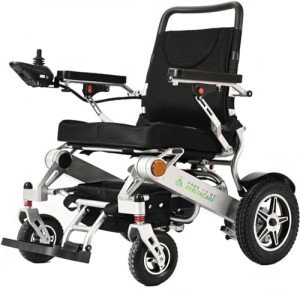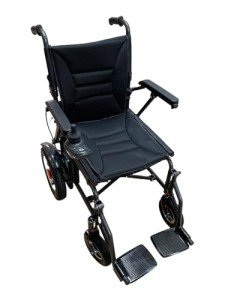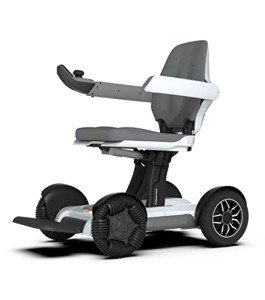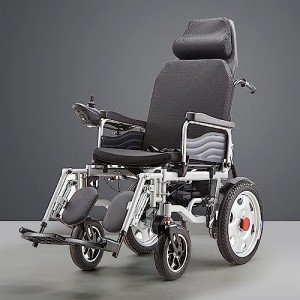

For many seniors, the home is a sanctuary of memories and comfort. However, as mobility declines due to aging, chronic illness, or injury, architectural features that were once overlooked—specifically stairs—can become daunting barriers. In many multi-level homes, the upper floors become inaccessible, effectively shrinking the living space and isolating the individual. While traditional solutions like home elevators or permanent stairlifts are effective, they are often expensive and require significant structural modifications.
The emergence of the electric stair climbing wheelchair has revolutionized mobility for the elderly. These innovative devices combine the functionality of a standard power wheelchair with specialized mechanisms designed to ascend and descend stairs safely. This guide explores the technology, benefits, and essential considerations for choosing an electric stair climbing wheelchair.
Understanding the Technology
Electric stair climbing wheelchairs are sophisticated pieces of assistive technology. Unlike traditional wheelchairs, which rely on wheels for horizontal movement, these devices utilize secondary propulsion systems to handle vertical inclines.
The Mechanism of Action
Most modern stair-climbing wheelchairs utilize one of two primary systems:
- Continuous Caterpillar Tracks: These are heavy-duty rubber tracks, similar to those found on tanks, which grip the edges of the stairs. They provide a smooth, continuous motion and distribute weight evenly across multiple steps.
- Rotating Star-Wheels: This system uses sets of three or more wheels arranged in a triangular pattern. As the device moves, the wheels rotate over each other to "step" up or down the stairs.
These systems are powered by high-torque electric motors and high-capacity lithium-ion batteries, ensuring that the device can handle the weight of the user and the chair itself without manual exertion from a caregiver.
Key Benefits for Seniors and Caregivers
The transition to a stair-climbing wheelchair offers more than just mobility; it provides a sense of autonomy and safety that can significantly improve the quality of life for the elderly.
1. Preservation of Independence
For many seniors, being forced to move to a single-story home or an assisted living facility is a source of great stress. An electric stair climber allows individuals to remain in their multi-level homes, maintaining access to bedrooms, bathrooms, and cherished personal spaces located on upper floors.
2. Reduced Physical Strain on Caregivers
Manually assisting a senior up a flight of stairs is physically demanding and poses a high risk of injury to both the caregiver and the senior. Electric models take on the "heavy lifting," requiring the caregiver only to guide and balance the device using intuitive controls.
3. Versatility and Portability
Unlike fixed stairlifts, many electric stair climbing wheelchairs are designed to be portable. They can be folded and transported in a vehicle, allowing seniors to visit friends, family, or public buildings that may not have ADA-compliant ramps or elevators.
4. Safety and Stability
Modern devices are equipped with advanced safety features, including electromagnetic brakes that lock automatically if the power is cut or the operator releases the controls. Safety belts and sensors ensure the user remains securely seated during the transition between levels.
Technical Specifications and Comparisons
When selecting a device, it is crucial to understand the technical differences between models. The following table provides a comparison of typical features found in entry-level versus premium electric stair climbing wheelchairs.
Table 1: Comparative Features of Electric Stair Climbing Wheelchairs
| Feature | Entry-Level Models | Premium/High-End Models |
|---|---|---|
| Weight Capacity | 220 lbs – 265 lbs | 350 lbs – 400 lbs+ |
| Battery Type | Lead-Acid or Basic Lithium | High-Capacity Lithium-Ion |
| Climbing Speed | 10–15 steps per minute | 20–30 steps per minute |
| Stair Angle Limit | Up to 35 degrees | Up to 45 degrees |
| Braking System | Manual/Mechanical | Automatic Electromagnetic |
| Frame Material | Steel | Aviation-grade Aluminum Alloy |
| Foldability | Partial | Compact/One-click folding |
Essential Features to Consider
Choosing the right wheelchair requires a thorough assessment of the user's needs and the home environment. Prospective buyers should evaluate the following factors:
Staircase Geometry
Not all stair climbers are suited for all stairs. It is vital to measure:
- Step Width: The tracks must fit comfortably within the width of the stairs.
- Landing Size: If the staircase has a turn, the landing must be large enough for the wheelchair to maneuver and rotate.
- Stair Material: While most tracks work on wood, carpet, or stone, highly polished surfaces may require specific high-grip rubber tracks.
User Comfort and Ergonomics
Since an elderly user may spend significant time in the chair, ergonomics are paramount. Look for:
- Adjustable headrests and armrests.
- Breathable, anti-microbial cushion materials.
- Intuitive joysticks or control panels that are easy to operate, even for those with arthritis.
Battery Life and Charging
The range of the device is determined by the battery. Most lithium-ion batteries provide enough power to climb 50–100 flights of stairs on a single charge. However, it is important to consider the charging time and whether the battery is removable for convenient charging.
Safety Guidelines for Operation
Even with advanced technology, safety depends heavily on proper usage. Operators (usually caregivers) should follow a strict protocol:
- Weight Verification: Never exceed the maximum load capacity specified by the manufacturer.
- Clearance Check: Ensure the stairs are clear of debris, rugs, or toys before beginning the climb.
- Level Ground Start: Always begin the climbing sequence on a flat, level surface to ensure the tracks or wheels engage properly with the first step.
- Seatbelt Usage: The occupant should always wear the integrated safety harness to prevent sliding during the tilt required for climbing.
Maintenance and Longevity
To ensure the device remains reliable over several years, a regular maintenance schedule should be followed.
- Track/Wheel Inspection: Check for wear and tear, cracks, or debris embedded in the treads.
- Battery Health: Charge the battery regularly and avoid letting it drop to 0% for extended periods.
- Frame Integrity: Tighten bolts and inspect the frame for any signs of stress or corrosion.
- Software Updates: For high-end models with smart controllers, ensure the firmware is updated as recommended by the manufacturer.
Frequently Asked Questions (FAQ)
Q: Can one person operate an electric stair climbing wheelchair?
A: Yes, most modern electric models are designed to be operated by a single caregiver. The motor handles the weight, and the caregiver's role is primarily to balance and steer. However, some models are "self-operating" for users with high upper-body strength, though these are less common for the elderly.
Q: Are these devices covered by insurance or Medicare?
A: In many regions, stair climbing wheelchairs are classified as "durable medical equipment" (DME). Coverage varies significantly by provider and plan. It is often necessary to provide a doctor’s prescription and a "Letter of Medical Necessity" to qualify for reimbursement.
Q: Can the wheelchair climb spiral staircases?
A: Most track-based models require a straight path and struggle with tight spirals. However, certain "star-wheel" models are designed specifically for narrower or curved stairs, provided the landing space is sufficient.
Q: How much room is needed on a landing to turn?
A: Generally, a landing of at least 40 inches by 40 inches is required to turn a standard stair-climbing wheelchair, though compact models may require less space.
Q: Is training required to use the device?
A: While the controls are intuitive, it is highly recommended that caregivers practice with the chair while it is empty before attempting to transport a senior. Many manufacturers provide instructional videos or in-person demonstrations.
The electric stair climbing wheelchair represents a significant leap forward in assistive technology. By addressing the "vertical challenge," these devices empower the elderly to maintain their lifestyle and remain in their homes longer. While the initial investment may be higher than a manual chair, the resulting safety, independence, and peace of mind provide value that far outweighs the cost. For families looking to future-proof a home for an elderly loved one, exploring these advanced mobility solutions is an essential step toward ensuring a dignified and accessible environment.