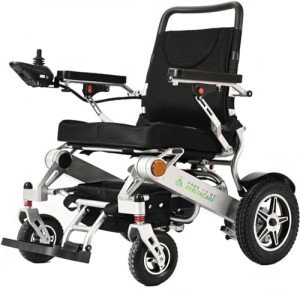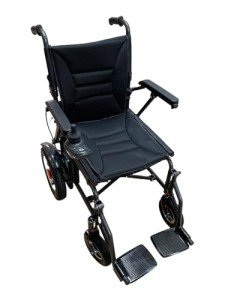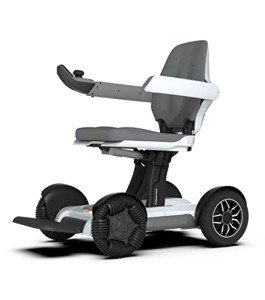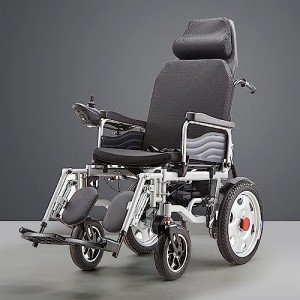

In the realm of mobility assistance, the evolution of technology has transitioned from heavy, cumbersome machinery to sleek, efficient, and highly portable solutions. Among these innovations, the foldable electric power chair with a lightweight frame stands out as a revolutionary tool for individuals seeking to regain their independence. This guide explores the engineering, benefits, and practical considerations of these modern mobility devices.
The Evolution of the Power Wheelchair
For decades, electric wheelchairs were synonymous with bulk. They often required specialized vans with hydraulic lifts and significant home modifications just for storage. The introduction of lightweight materials, such as aerospace-grade aluminum and carbon fiber, has fundamentally changed this landscape. By combining these materials with advanced lithium-ion battery technology, manufacturers have created power chairs that offer high performance without the restrictive weight.
Key Features of Lightweight Foldable Power Chairs
Modern foldable electric chairs are designed with a focus on ergonomics and portability. Below are the primary features that define these advanced mobility aids:
- Lightweight Construction: Most frames are constructed from high-strength aluminum alloys, bringing the total weight (excluding batteries) down to between 40 and 60 pounds.
- Compact Folding Mechanisms: Many models utilize a "one-touch" or "pull-string" folding system that allows the chair to collapse into the size of a large suitcase in seconds.
- Lithium-Ion Battery Systems: Unlike traditional lead-acid batteries, lithium-ion units are significantly lighter and offer longer life cycles. Many are also FAA-approved for air travel.
- Intelligent Control Systems: High-sensitivity joysticks provide 360-degree maneuverability, often featuring programmable speed settings and battery life indicators.
- Dual Motor Systems: Brushless motors are commonly used because they are quieter, more efficient, and require less maintenance than brushed alternatives.
Table 1: Comparison Between Traditional Power Chairs and Lightweight Foldable Chairs
| Feature | Traditional Power Chair | Lightweight Foldable Power Chair |
|---|---|---|
| Average Weight | 150 – 250 lbs | 45 – 65 lbs |
| Portability | Requires vehicle lift/ramp | Fits in standard car trunks |
| Frame Material | Steel / Heavy Alloy | Aluminum / Carbon Fiber |
| Battery Type | Lead-Acid (Heavy) | Lithium-Ion (Light) |
| Turning Radius | Often wider | Generally tighter/compact |
| Travel Suitability | Difficult/Requires planning | High/Airline compliant options |
Advantages of a Lightweight Frame
The primary advantage of a lightweight frame is the reduction of physical strain on both the user and their caregivers. When a chair is light enough to be lifted into a vehicle trunk by one person, it removes the need for expensive vehicle conversions.
Furthermore, a lighter frame often translates to better battery efficiency. Since the motors are moving less mass, the chair can achieve a greater range on a single charge. This efficiency is crucial for users who plan to use their chair for full-day outings or travel.
Enhancing Lifestyle and Accessibility
The design of foldable power chairs prioritizes the user's ability to navigate various environments. These chairs are not just for indoor use; their robust motors and durable wheels are designed to handle sidewalks, gravel paths, and slight inclines.
Benefits for Different Environments:
- In the Home: The compact footprint and tight turning radius allow users to navigate narrow hallways and doorways that traditional chairs might find impassable.
- During Travel: Because many models meet airline safety regulations for lithium batteries, users can gate-check their chairs, ensuring they have their own mobility aid as soon as they deplane.
- Public Transport: The ability to fold the chair makes it easier to use buses or trains that may not have dedicated large-scale wheelchair areas.
Technical Specifications to Consider
When evaluating a foldable electric power chair, it is essential to look beyond the weight. The following table highlights the technical specifications that impact daily use.
Table 2: Typical Specifications for a Premium Lightweight Power Chair
| Specification | Standard Performance Range |
|---|---|
| Weight Capacity | 220 lbs – 400 lbs (Model dependent) |
| Max Speed | 4 mph – 6 mph |
| Driving Range | 10 – 15 miles per charge |
| Max Incline | 6° – 12° |
| Charging Time | 6 – 8 hours |
| Unfolded Dimensions | ~38" L x 24" W x 36" H |
| Folded Dimensions | ~14" L x 24" W x 30" H |
Who Should Consider This Type of Chair?
The versatility of the foldable electric power chair makes it an ideal choice for a wide demographic. It is particularly beneficial for:
- Active Seniors: Individuals who may have the stamina for some walking but require assistance for longer distances.
- Frequent Travelers: Those who do not want to be limited by "non-accessible" transportation options during vacations.
- Individuals with Limited Storage: People living in apartments or assisted living facilities where space is at a premium.
- Caregivers: Families who need a mobility solution that can be easily transported in a family car without heavy lifting equipment.
Maintenance and Safety Tips
To ensure the longevity of a lightweight power chair, regular maintenance is required. While these chairs are durable, their portable nature exposes them to various elements.
Maintenance Checklist:
- Battery Care: Avoid letting the battery drain to 0%. Charge it after every significant use to maintain cell health.
- Tire Inspection: Check for wear and tear on the treads. Solid, puncture-proof tires are common in these models, but they should still be inspected for debris.
- Frame Cleaning: Wipe down the aluminum frame with a damp cloth to prevent the buildup of salt or dirt, especially if used near the ocean or in winter conditions.
- Joystick Protection: Ensure the control panel remains dry. Many users opt for a waterproof cover to protect the electronics during rain.
Frequently Asked Questions (FAQ)
1. Are lightweight foldable power chairs safe on uneven terrain?
Yes, most are designed with electromagnetic brakes and anti-tip wheels. However, users should always check the manufacturer’s rating for maximum incline and ground clearance. They are best suited for paved surfaces, packed gravel, and low-pile carpets.
2. Can these chairs be taken on an airplane?
Most foldable power chairs use lithium-ion batteries. While generally allowed, the battery must usually be under a certain Watt-hour (Wh) rating (often 300Wh for a single battery or 160Wh each for two). It is always recommended to check with the airline 48 hours before departure.
3. How long does the battery last?
On average, a single charge provides between 10 and 15 miles of travel. Factors such as user weight, terrain, and speed will affect the actual distance.
4. Is assembly required after delivery?
Most lightweight chairs are shipped fully assembled. The user typically only needs to unpack the chair, unfold it, and connect the battery/joystick before the first use.
5. Are there weight limits for the lightweight frames?
While the frames are light, they are incredibly strong. Standard models usually support up to 265 lbs, while heavy-duty or "XL" lightweight models can support up to 400 lbs.
The foldable electric power chair with a lightweight frame represents a pinnacle of user-centric design. By removing the barriers of weight and bulk, these devices offer more than just movement; they offer the freedom to engage with the world on one’s own terms. Whether it is a trip to the local grocery store or an international excursion, the modern power chair ensures that mobility challenges do not dictate a person's lifestyle. When selecting a model, focusing on the quality of the frame, battery compliance, and ease of folding will ensure a long-lasting and liberating investment.