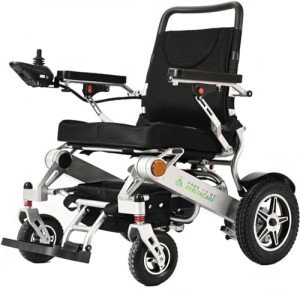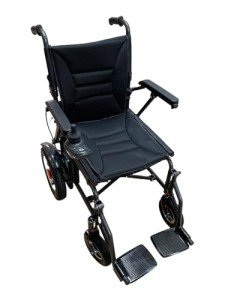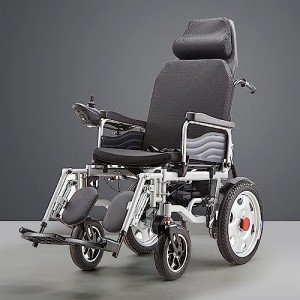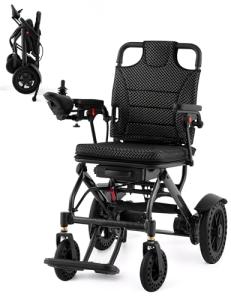

The landscape of assistive technology is undergoing a radical transformation. For decades, wheelchairs were categorized as either manual or electric, with little overlap between portability and high-tech functionality. However, the emergence of the foldable electric wheelchair with integrated smartphone application (APP) control has redefined what it means to live with a mobility impairment. These devices are not merely tools for transportation; they are sophisticated pieces of hardware that leverage modern software to provide users with unprecedented independence, safety, and convenience.
The Evolution of the Smart Wheelchair
Traditional power wheelchairs, while rugged and capable, often come with the drawback of being heavy and cumbersome. Conversely, early foldable models often lacked the technical sophistication of their larger counterparts. The integration of "Smart" technology—specifically Bluetooth connectivity and mobile applications—marks a third era in mobility evolution. By merging lightweight materials like aviation-grade aluminum alloys with intelligent software, manufacturers have created a hybrid solution that caters to the active, modern user.
Why Foldability Matters in the Modern World
The primary hurdle for many electric wheelchair users is transportation. Traditional power chairs often require specialized vans with ramps or lifts. A foldable electric wheelchair eliminates this barrier. With a simple mechanism—often a "one-touch" folding system—these chairs can shrink to the size of a large suitcase in seconds.
Portability and Travel
Most foldable smart chairs are designed with travel in mind. They easily fit into the trunks of standard sedans, under tables in restaurants, and even in the cargo holds of airplanes. Because they utilize lithium-ion batteries, which are power-dense yet lightweight, these chairs meet the strict requirements of international travel while providing enough range for a full day of sightseeing.
The Power of APP Control: Beyond Basic Movement
The "Smart" aspect of these wheelchairs is facilitated through a dedicated mobile application. This connection is typically established via Bluetooth, allowing the user’s smartphone to act as a secondary control hub.
Key Features of the APP Interface
- Remote Control Maneuvering: This is perhaps the most transformative feature. Through the app, a user or caregiver can move the chair remotely. This is exceptionally useful for bringing the chair closer to a bed or sofa after the user has transferred, or for parking the chair in a corner to save space.
- Health monitoring and Diagnostics: The app provides real-time data on the "health" of the wheelchair. It monitors battery levels, motor performance, and identifies any technical glitches before they become major issues.
- Speed and Performance Customization: Users can adjust speed settings through the app, setting limits for indoor use or maximizing performance for outdoor paved paths.
- Security Features: Many apps include a "lock" function that prevents the chair from being moved or operated without the authorized phone, acting as an anti-theft deterrent.
- Mileage and Tracking: Similar to a fitness tracker, these apps record distance traveled and average speed, allowing users to track their activity levels over time.
Technical Specifications Comparison
When evaluating a foldable electric wheelchair with APP control, it is essential to understand the technical benchmarks that separate entry-level models from high-end performance models.
| Feature | Standard Smart Foldable | High-Performance Smart Foldable |
|---|---|---|
| Frame Material | Aluminum Alloy | Aerospace Carbon Fiber / Magnesium |
| Max Weight Capacity | 220 lbs (100 kg) | 330 lbs (150 kg) |
| Battery Type | 12Ah Lithium-ion | 20Ah - 30Ah Lithium-ion |
| Max Range | 10 - 12 miles (16-20 km) | 18 - 25 miles (30-40 km) |
| Motor Type | Dual 200W Brushed Motors | Dual 250W Brushless Motors |
| Folding Time | 3-5 Seconds | 1-2 Seconds (Auto-fold) |
| App Compatibility | Basic (Remote + Battery) | Advanced (GPS + Diagnostics + Remote) |
| Net Weight | 55 - 65 lbs | 40 - 50 lbs |
Advantages for Caregivers and Users
While the benefits to the user are apparent, the advantages for caregivers are equally significant. The remote control feature allows a caregiver to guide the chair without having to physically push it or bend over the joystick, reducing the risk of strain and injury.
User Autonomy
For the user, the ability to control their chair via a smartphone provides a sense of agency. Whether it is adjusting the sensitivity of the joystick or checking the exact percentage of battery remaining before a trip, the information provided by the app reduces the anxiety often associated with long-distance mobility.
Selecting the Right Model: A Checklist
Choosing a smart wheelchair is a significant investment. Potential users should consider the following factors before making a purchase:
- Weight of the Unit: Can the user or their family member lift the chair into a car trunk?
- Terrain Adaptability: Check the wheel size and motor torque. Smaller wheels are great for indoors, while larger, honeycombed or pneumatic tires are better for gravel or grass.
- Battery Compliance: Ensure the battery is "Airline Approved" if travel is a priority. Usually, this means the battery must be under 300Wh or 160Wh depending on the carrier.
- Ease of Folding: Is it a manual pull-string fold, or does it feature an electronic auto-fold controlled by the app?
- Support and Warranty: Does the manufacturer provide local support for the software and hardware components?
Safety Considerations in Smart Mobility
Despite the technological advancements, safety remains the paramount concern. Smart chairs are equipped with several safety layers:
- Electromagnetic Braking: This system ensures the chair stops immediately when the joystick or app control is released, even on an incline.
- Anti-Tip Wheels: Small rear wheels prevent the chair from tipping backward when navigating slopes.
- App Latency: High-quality models ensure that the Bluetooth connection has zero "lag," so the remote control movements are instantaneous.
Frequently Asked Questions (FAQ)
1. Does the wheelchair work if my phone battery dies?
Yes. The primary method of control is the physical joystick located on the armrest. The APP control is a secondary, auxiliary feature. If the phone dies, the wheelchair functions perfectly as a standard electric wheelchair.
2. Is the APP available for both iPhone and Android?
Most reputable manufacturers develop their software for both iOS and Android platforms to ensure broad accessibility.
3. How do I charge the battery?
Charging can usually be done through the joystick port or by removing the battery and charging it separately. The APP will typically send a notification to your phone when the battery falls below 20%.
4. Can the wheelchair be operated manually (pushed)?
Yes. Most foldable electric wheelchairs feature a "freewheel" or "manual" mode. By flipping a lever on the motors, the electromagnetic brakes are disengaged, allowing a caregiver to push the chair like a standard manual wheelchair.
5. What is the lifespan of the lithium battery?
With proper care (avoiding total discharge and storing in moderate temperatures), a high-quality lithium-ion battery typically lasts between 3 to 5 years before requiring a replacement.
The integration of APP control into foldable electric wheelchairs represents a significant leap forward in universal design. By combining the mechanical necessity of mobility with the digital convenience of the 21st century, these devices offer more than just a way to get from point A to point B. They offer a lifestyle change. As battery technology improves and software becomes even more intuitive, the line between the user and their mobility aid will continue to blur, fostering a future where physical limitations are mitigated by digital innovation. For those seeking a blend of portability, power, and smart connectivity, the foldable electric wheelchair with APP control is the current gold standard.