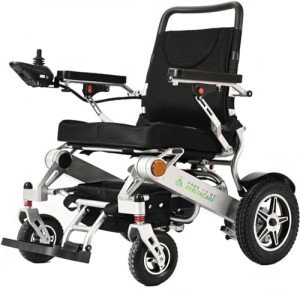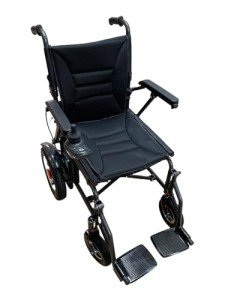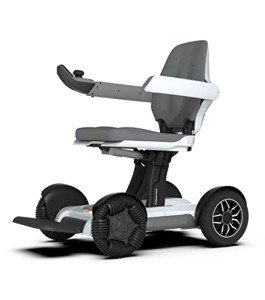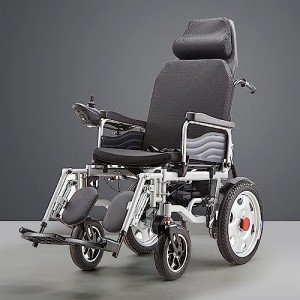

For individuals with limited mobility, the pursuit of independence is often synonymous with finding the right technology. In recent years, the mobility industry has witnessed a significant transformation, moving away from heavy, cumbersome power chairs toward sleek, lightweight, and versatile solutions. Perhaps the most impactful innovation in this space is the foldable electric wheelchair equipped with a removable battery.
This combination of portability and advanced power management has opened new doors for users who wish to travel, socialize, and navigate their daily lives with minimal friction. This guide provides an in-depth look at the features, benefits, and technical considerations of these modern mobility devices.
The Shift Toward Portability
Traditionally, electric wheelchairs were difficult to transport. They often required specialized vans with hydraulic lifts and significant storage space. The advent of the foldable electric wheelchair has changed the landscape entirely. These devices are designed to collapse into a compact form factor, often no larger than a standard suitcase, allowing them to fit into the trunk of a sedan or a small closet.
Key Benefits of Foldable Designs:
- Ease of Transport: Most models can be folded in under five seconds, making them ideal for frequent car trips.
- Space-Saving: For those living in apartments or smaller homes, the ability to tuck the wheelchair away when not in use is a major advantage.
- No Modifications Required: Unlike traditional power chairs, foldable models usually do not require expensive vehicle hits or ramps.
The Critical Role of the Removable Battery
While the folding mechanism provides the physical convenience, the removable battery provides the functional flexibility. Most modern foldable wheelchairs utilize Lithium-ion (Li-ion) batteries, which are lighter and more efficient than older lead-acid counterparts.
Advantages of a Removable Battery System
- Convenient Charging: Users do not need to bring the entire wheelchair to an electrical outlet. They can simply pop the battery out and charge it on a desk or nightstand.
- Airline Compliance: Air travel with power chairs can be complicated. Many airlines require batteries to be removed and carried into the cabin. Having a removable, "airline-approved" battery makes the security and boarding process significantly smoother.
- Extended Range: For users planning a long day out, carrying a second, fully-charged removable battery can effectively double the chair's range without needing to find an outlet mid-day.
- Weight Management: When lifting the wheelchair into a vehicle, removing the battery (which can weigh between 5 to 10 lbs) reduces the overall lifting weight, making it easier for caregivers or users.
Technical Specifications Comparison
When choosing a foldable electric wheelchair, it is essential to understand how different models compare in terms of weight, capacity, and performance.
Table 1: Comparison of Foldable Electric Wheelchair Categories
| Feature | Lightweight Travel Model | All-Terrain Model | Heavy-Duty Model |
|---|---|---|---|
| Average Weight | 40 - 50 lbs | 60 - 75 lbs | 80 - 100 lbs |
| Weight Capacity | 220 - 265 lbs | 300 - 330 lbs | 350 - 450 lbs |
| Battery Type | Single 12Ah Lithium | Dual 6Ah or 12Ah Lithium | High-Capacity 20Ah Lithium |
| Max Speed | 4 mph | 5 mph | 4 - 5 mph |
| Driving Range | 10 - 12 miles | 12 - 15 miles | 15 - 18 miles |
| Ideal Terrain | Pavements, Malls, Airports | Grass, Gravel, Cobblestone | All surfaces for larger frames |
Key Features to Consider Before Purchase
Not all foldable electric wheelchairs are created equal. To ensure a model fits a user's specific lifestyle, several technical features should be evaluated.
1. Frame Material
Most high-quality models use aerospace-grade aluminum alloy. This material provides an optimal balance between being lightweight enough to lift and strong enough to support the user's weight sustainably. Some premium models use carbon fiber, which is even lighter but comes at a higher price point.
2. Motor Type: Brushless vs. Brushed
Modern foldable chairs typically utilize Brushless DC Motors. These are preferred because they are quieter, more energy-efficient, and require almost no maintenance compared to older brushed motors.
3. Braking Systems
Safety is paramount. Most foldable electric wheelchairs feature an Electromagnetic Braking System. This ensures that the chair stops automatically as soon as the user releases the joystick, even on a slope.
4. Turning Radius
For indoor use, a small turning radius is essential. Foldable chairs are designed to be nimble, often allowing the user to navigate tight hallways and turn around in small elevators with ease.
Table 2: User-Centric Feature Checklist
| Feature | Why It Matters | Recommended Spec |
|---|---|---|
| Turning Radius | Navigation in tight spaces | 30 - 33 inches |
| Seat Width | Comfort for long periods | 17" - 19" (Standard) |
| Folded Dimensions | Storage in car trunks | Approx. 24" x 14" x 30" |
| Wheel Size | Stability & ride quality | 8" Front / 12" Rear |
| Charging Time | Utility and readiness | 5 - 8 hours |
Maintenance and Care
To ensure the longevity of a foldable electric wheelchair and its battery, a regular maintenance routine is recommended.
- Battery Health: Avoid letting the battery drain to 0%. Lithium batteries last longer when kept between 20% and 80% charge. If the chair isn't used for a month, charge the battery fully before storage.
- Tire Inspection: Most foldable chairs use solid, puncture-proof tires. Check them periodically for wear and tear or debris stuck in the treads.
- Cleaning: Use a damp cloth to wipe down the frame. Avoid using high-pressure hoses, as moisture can damage the joystick controller and the battery ports.
- Joystick Protection: The joystick is the "brain" of the chair. When traveling, consider a joystick protector or remove it if the model allows to prevent it from being snapped during transit.
Frequently Asked Questions (FAQ)
Q1: Can I take a foldable electric wheelchair on an airplane?
A: Yes, most models are designed for air travel. However, the battery must be a Lithium-ion type with a Watt-hour (Wh) rating that complies with FAA or IATA regulations (usually under 300Wh for a single battery or 160Wh each for two batteries). Always check with your airline 48 hours before departure.
Q2: How long does the battery typically last?
A: A standard lithium battery in an electric wheelchair typically lasts between 2 to 4 years, or roughly 500 to 1,000 charge cycles, depending on usage and care.
Q3: Is it difficult to manually push the chair if the battery dies?
A: Most models come with a "freewheel" or "manual" mode. By flipping a lever on the motors, the gears are disengaged, allowing a caregiver to push the chair like a standard manual wheelchair.
Q4: Are these wheelchairs waterproof?
A: They are generally water-resistant (IPX4 rating), meaning they can handle light rain or splashes. However, they should not be driven through deep puddles or left out in heavy downpours, as electrical components can be compromised.
Q5: Do I need a special license to drive one?
A: No. Electric wheelchairs are classified as medical mobility devices and do not require a driver's license. However, users should practice in a safe, flat environment to get used to the joystick sensitivity before navigating crowded areas.
The combination of a foldable frame and a removable battery represents the pinnacle of modern mobility design. It addresses the two primary concerns of power chair users: "How do I get it there?" and "How do I keep it powered?"
By choosing a model with a lightweight frame, a reliable brushless motor, and a high-quality lithium battery, users can significantly enhance their quality of life. Whether it is navigating an airport, exploring a local park, or simply having the freedom to visit family without needing a specialized van, the foldable electric wheelchair is more than just a piece of equipment—it is a gateway to a more active and independent lifestyle.