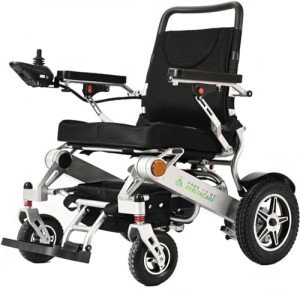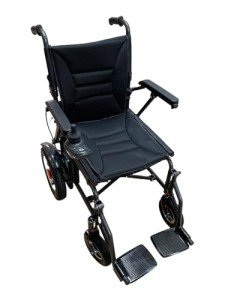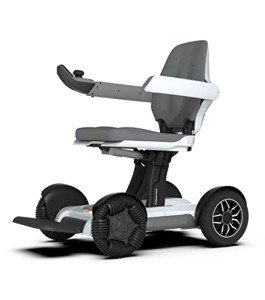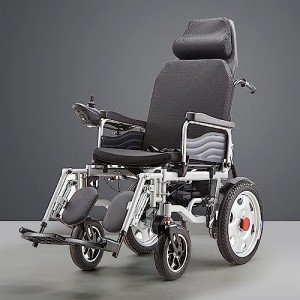

In today's fast-paced world, mobility and independence are essential for those with limited physical abilities. Traditional wheelchairs have long been a means of transport for individuals with mobility challenges, but the emergence of innovative technologies has given birth to a new generation of mobility solutions. One such innovation is the folding electric wheelchair with a detachable battery, a game-changer in enhancing accessibility and convenience for users.
What is a Folding Electric Wheelchair?
A folding electric wheelchair is a lightweight, compact mobility device that allows users to travel with ease. These wheelchairs combine the power of electric motors with a folding mechanism, making them an ideal choice for users who require assistance but enjoy the freedom of movement. They are designed to facilitate easier transport, whether it be in a vehicle, on public transportation, or for storage at home.
Key Features
1. Detachable Battery: Freedom and Versatility
One of the standout features of modern electric wheelchairs is the detachable battery. This innovation allows users to remove the battery for charging without needing to wheel the entire chair into a power source. Detaching the battery makes it more convenient for users who live in apartments or rely on public spaces for charging.
Additionally, the ability to carry a spare battery can extend the travel range significantly. This is particularly beneficial for individuals who might need to use their wheelchair for longer periods without access to a charging station.
2. Compact and Lightweight Design
Folding electric wheelchairs are engineered to be lightweight, making them easy to maneuver and transport. Many models weigh around 50 pounds or less, allowing users to lift them into their vehicles or navigate crowded spaces effortlessly. The folding mechanism typically allows users to collapse the wheelchair with the press of a button or by using simple levers, promoting ease of use.
3. Enhanced Portability
The portability of these wheelchairs transforms lives. Travelers, for instance, can easily take these wheelchairs with them on planes, trains, or automobiles without concern over space constraints. The compact size – once folded – ensures they fit into car trunks or small storage areas, allowing users to maintain their mobility wherever they go.
4. Customizable Speed and Range
Folding electric wheelchairs often come equipped with adjustable speed settings, typically ranging from 3 to 6 miles per hour, to accommodate different environments and user preferences. The battery capacity can vary as well, with higher-capacity models offering travel ranges up to 15 miles or more on a single charge. This versatility caters to a range of lifestyles, ensuring users remain mobile throughout their day-to-day activities.
Advantages of Using Folding Electric Wheelchairs
The benefits of a folding electric wheelchair with a detachable battery extend beyond convenience:
-
Improved Independence: Users can navigate their surroundings independently, without having to rely on caregivers for transportation.
-
Accessibility: These wheelchairs facilitate easier access to public spaces, restaurants, and events, promoting social engagement and active lifestyles.
-
Health and Well-being: Increased mobility allows users to participate in activities that enhance physical and mental health, leading to improved overall well-being.
-
Cost-Effective: Investing in a folding electric wheelchair can reduce the cost associated with renting or relying on alternative transportation services.
Considerations When Purchasing
While folding electric wheelchairs with detachable batteries offer a host of benefits, it's essential to consider factors such as weight capacity, battery life, warranty, and after-sales support when selecting the right model. Additionally, potential users should consult healthcare professionals to ensure that any chosen model aligns with their specific needs.
Folding electric wheelchairs with detachable batteries represent a remarkable advancement in mobility technology. Designed with user convenience, portability, and independence in mind, these innovative devices are improving the quality of life for many individuals with mobility challenges. As technology continues to evolve, we can expect even more dynamic and efficient solutions that further empower people to live full and active lives. Whether you are a traveler, an urban dweller, or someone with special mobility needs, a folding electric wheelchair could be the key to unlocking a new world of possibilities.