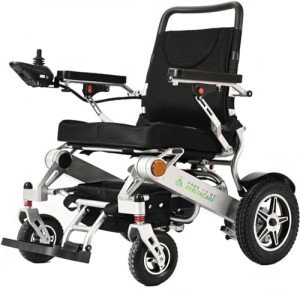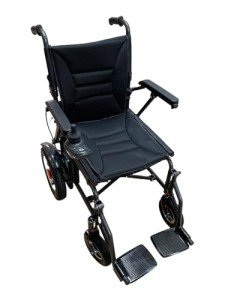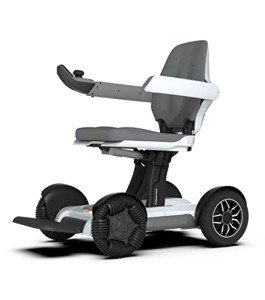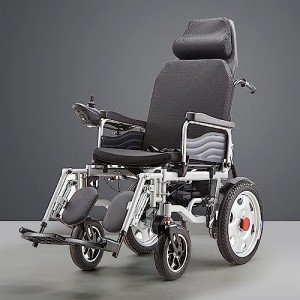

In the realm of mobility aids, the introduction of the folding lightweight electric power wheelchair has been nothing short of revolutionary. For individuals facing mobility challenges, the balance between independence, portability, and physical comfort was once a difficult trade-off to navigate. Historically, electric wheelchairs were bulky, heavy, and required specialized vehicles for transport. However, modern engineering has paved the way for "smart" mobility solutions that prioritize the user’s comfort without sacrificing ease of travel.
This guide explores the intricate features of folding lightweight electric wheelchairs, focusing specifically on how they provide comfort while remaining highly functional for a modern lifestyle.
The Evolution of Portability and Comfort
Traditional power wheelchairs often weigh upwards of 200 pounds, making them permanent fixtures in a home or requiring hydraulic lifts for transport. In contrast, the new generation of folding electric wheelchairs is constructed from aerospace-grade aluminum alloys or carbon fiber. These materials allow the chair to remain sturdy while keeping the total weight—often including the battery—between 45 and 65 pounds.
The primary appeal rests in the folding mechanism. Most of these chairs can be collapsed within seconds, often with a simple one-touch latch or a remote-controlled motor. This functionality ensures that the wheelchair fits easily into the trunk of a standard sedan, a closet, or even an overhead compartment on some transport vessels.
Table 1: Standard Power Wheelchair vs. Folding Lightweight Power Wheelchair
| Feature | Standard Power Wheelchair | Folding Lightweight Power Wheelchair |
|---|---|---|
| Average Weight | 150 - 250 lbs | 45 - 65 lbs |
| Portability | Requires van/lift | Fits in standard trunk |
| Frame Material | Steel / Heavy Alloy | Aluminum / Carbon Fiber |
| Battery Type | Lead-Acid (Heavy) | Lithium-Ion (Lightweight) |
| Folding Ability | Rare / Partial | Full / Rapid |
| Primary Use | Heavy-duty medicinal | Travel and daily independence |
Design Features That Enhance User Comfort
While portability is a major selling point, a wheelchair is ultimately a seat that a person may occupy for several hours a day. Therefore, comfort cannot be an afterthought. Manufacturers have integrated several ergonomic features to ensure that long-term use does not lead to fatigue or physical strain.
1. Advanced Suspension Systems
One of the most significant upgrades in lightweight chairs is the integration of shock absorption. Traveling over uneven pavement, gravel, or door thresholds can create jarring vibrations. High-end folding wheelchairs often feature spring-loaded suspension systems on the front wheels, similar to those found in automobiles, to dampen these impacts.
2. Ergonomic Seating and Breathable Fabrics
Comfort starts with the seat. Modern lightweight power chairs often use high-density memory foam cushions that contour to the user's body, helping to redistribute pressure and prevent sores. Furthermore, the use of mesh or "breathable" fabrics ensures air circulation, which is vital for temperature regulation during the summer months.
3. Adjustable Components
Personalization is key to comfort. Many folding models now offer:
- Flip-back Armrests: These allow for easier side transfers and the ability to pull up closer to desks or dining tables.
- Adjustable Footrests: Footplates that can be adjusted for height ensure that the user’s legs are at a 90-degree angle, reducing strain on the lower back.
- Controllable Joystick Position: The ability to mount the controller on either the left or right side accommodates both right-handed and left-handed individuals.
Key Technical Specifications for Mobility
When selecting a chair focused on comfort and utility, understanding the technical components is essential. The motor and battery type dictate not only how far one can go but how smooth the ride will be.
List of Critical Components to Consider:
- Brushless Motors: These are quieter and more efficient than brushed motors. They provide a smoother acceleration curve, which prevents the jerky movements that can cause discomfort.
- Lithium-Ion Batteries: These are the gold standard for lightweight chairs. They are typically FAA-cleared for air travel and offer a longer range (often up to 12-15 miles) on a single charge.
- Electromagnetic Brakes: For safety and comfort, these brakes engage automatically when the joystick is released, preventing the chair from rolling on inclines.
- Anti-Tip Wheels: Small rear wheels that prevent the chair from tipping backward when navigating small hills or ramps.
Table 2: Performance Comparison by Terrain Type
| Terrain | Performance Level | Comfort Rating |
|---|---|---|
| Indoor (Tile/Carpet) | Excellent | High (Smooth gliding) |
| Pavement/Concrete | Excellent | High (Suspension-dependent) |
| Hardpacked Gravel | Good | Moderate |
| Thick Grass | Fair | Low (May be bumpy) |
| Sand/Mud | Poor | N/A (Avoid use) |
The Benefits of a Folding Design for Caregivers
It is not only the user who benefits from a lightweight, folding design. Caregivers often face physical strain when assisting individuals with mobility. A heavy wheelchair can lead to back injuries or exhaustion.
- Ease of Loading: Because the chairs are lightweight, most able-bodied caregivers can lift them into a vehicle without the need for ramps or cranes.
- Storage Convenience: In small apartments or assisted living facilities, space is at a premium. The ability to fold the chair down to the size of a suitcase allows it to be tucked away under a bed or in a corner when not in use.
- Travel Flexibility: Families can maintain a high quality of life by taking the wheelchair on vacations, to restaurants, or into crowded shopping malls where a larger chair would be cumbersome.
Top Maintenance Tips for Longevity
To ensure the continued comfort and safety of a folding power wheelchair, regular maintenance is required. Because these chairs have moving parts related to the folding mechanism, they require slightly different care than rigid models.
Maintenance Checklist:
- Check Tightness: Periodically inspect the bolts and nuts at the folding joints. Repeated folding and unfolding can occasionally loosen these components.
- Battery Care: Avoid letting the lithium battery drop to 0%. Charging it after every use helps maintain its life cycle.
- Tire Inspection: Most lightweight chairs use "solid" or "flat-free" tires. While they don't pop, they can wear down over time, reducing traction and ride smoothness.
- Cleaning the Frame: Use a damp cloth to wipe down the aluminum frame. Avoid using high-pressure water, as this can damage the electronic joystick and wiring.
FAQ: Frequently Asked Questions
Q: Can these wheelchairs be taken on an airplane?
A: Yes, most folding lightweight electric wheelchairs use lithium batteries that are compliant with FAA regulations. However, it is always recommended to notify the airline in advance and check the specific Watt-hour (Wh) rating of the battery.
Q: What is the average weight capacity?
A: Most lightweight models are designed to support between 220 lbs and 300 lbs. There are "Heavy Duty" folding models available that can support up to 350-400 lbs, though they may be slightly heavier themselves.
Q: Are folding electric wheelchairs covered by insurance?
A: Coverage varies significantly. In many cases, Medicare or private insurance covers wheelchairs deemed "medically necessary" for use inside the home. Portable or folding features are sometimes considered a "luxury" or "convenience" feature, so it is best to consult with a provider.
Q: How fast do these wheelchairs travel?
A: Most models have a top speed of 4 to 5 miles per hour, which is roughly equivalent to a brisk walking pace for a person without mobility challenges.
The folding lightweight electric power wheelchair represents the perfect intersection of technology and humanity. By prioritizing a lightweight frame, manufacturers have opened doors for users to travel the world, visit family, and navigate their communities with ease. More importantly, by integrating advanced suspension, ergonomic seating, and intuitive controls, these chairs ensure that the journey is as comfortable as it is accessible. For anyone seeking to regain their independence without the burden of heavy equipment, the folding power wheelchair is an investment in both mobility and quality of life.