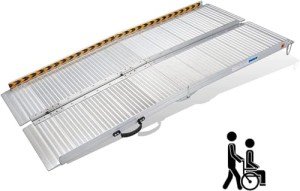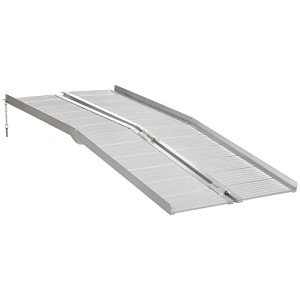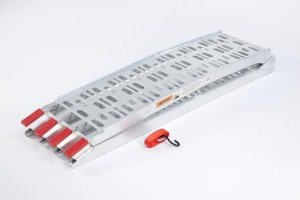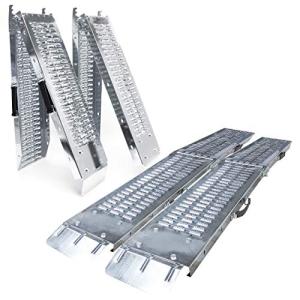

In the world of logistics, agriculture, and home maintenance, the transition of heavy machinery from the ground to a trailer or truck bed is a critical point of operation. Whether it is a ride-on lawnmower, an ATV, or a heavy-duty motorcycle, the equipment used to bridge this gap must be reliable, durable, and engineered for safety. Heavy-duty galvanized steel loading ramps with a 400kg capacity represent the industry standard for mid-range loading solutions, offering a balance between structural rigidity and weather resistance.
This guide explores the technical specifications, benefits, and safety considerations of using 400kg capacity galvanized steel ramps, providing a detailed overview for commercial and private users alike.
The Importance of Material Choice: Why Galvanized Steel?
When selecting a loading ramp, the primary material choice usually falls between aluminum and steel. While aluminum is prized for its lightweight properties, galvanized steel is often the preferred choice for heavy-duty applications due to its superior tensile strength and longevity.
Durability and Strength
Steel is inherently denser and stronger than aluminum. For applications requiring a 400kg capacity per ramp, steel provides a rigid structure that minimizes flexing during the loading process. This rigidity is essential for maintaining a stable center of gravity for the vehicle being loaded.
The Galvanization Process
The "galvanized" aspect of these ramps refers to a protective zinc coating applied to the steel. Through a hot-dip process, the steel is submerged in molten zinc, creating a metallurgical bond that protects the underlying metal from the elements. This is crucial for loading equipment because:
- Corrosion Resistance: It prevents rust, even if the ramps are stored in damp environments or used in the rain.
- Abrasion Resistance: The zinc layer is tough, resisting the scratches and scrapes that occur when metal wheels or tracks traverse the ramp.
- Low Maintenance: Unlike painted steel, which requires touch-ups to prevent rust, galvanized steel remains protected for decades.
Technical Specifications and Capacity Explained
Understanding the 400kg weight rating is vital for safe operation. In the context of loading ramps, it is important to distinguish between "per ramp" capacity and "per pair" capacity. Most high-quality galvanized ramps are rated at 400kg per individual ramp, meaning a pair used together can support up to 800kg, provided the load is distributed evenly across both.
Standard Dimensions and Specs
While individual manufacturers may vary slightly, the typical specifications for a heavy-duty 400kg galvanized steel ramp are as follows:
| Feature | Specification (Typical) |
|---|---|
| Material | Hot-Dipped Galvanized Steel |
| Weight Capacity (Single) | 400kg |
| Weight Capacity (Pair) | 800kg |
| Length | 1.8m to 2.2m |
| Width | 200mm to 250mm |
| Weight per Ramp | 8kg – 12kg |
| Surface Texture | Punched Non-Slip Grip |
Key Features of Heavy-Duty Ramps
Modern 400kg galvanized steel ramps are designed with several integrated safety and utility features that ensure they can handle rigorous daily use.
1. Non-Slip Traction Surfaces
Safety is the paramount concern during loading. High-quality ramps feature a "punched" or serrated metal surface. These protrusions allow the tires of the vehicle to grip the ramp even in wet, muddy, or icy conditions. By allowing debris to fall through the holes, the surface remains clear of slippery buildup.
2. High-Strength Top Plates/Hooks
The transition point between the ramp and the tailgate of a truck or trailer is a frequent failure point. Heavy-duty ramps utilize reinforced top plates or curved hooks that overlap the vehicle’s edge. This design ensures that the weight of the load pushes the ramp down onto the vehicle, rather than pushing it away.
3. Tapered Bottom Edges
A tapered or angled leading edge at the bottom of the ramp provides a smooth transition from the ground to the ramp. This prevents the "bump" that can cause a vehicle to lose momentum or spin its wheels, which is a common cause of loading accidents.
Common Applications for 400kg Ramps
A 400kg capacity makes these ramps highly versatile. They are suitable for a wide range of machinery that exceeds the safe lifting capacity of human operators but doesn't require industrial-scale hydraulic ramps.
Targeted Equipment Includes:
- All-Terrain Vehicles (ATVs) and Quads: Most standard ATVs weigh between 200kg and 350kg, making these ramps the perfect fit.
- Ride-On Lawnmowers: Large garden tractors and mowers are easily handled by a pair of 400kg ramps.
- Motorcycles: From lightweight dirt bikes to heavy touring cruisers, these ramps provide the necessary support.
- Construction Equipment: Items like plate compactors, large generators, and concrete mixers.
- Mobility Solutions: Heavy power wheelchairs and mobility scooters.
Steel vs. Aluminum: A Comparative Analysis
While aluminum ramps are popular for their portability, galvanized steel offers distinct advantages in specific scenarios, particularly regarding cost and long-term durability in harsh environments.
| Feature | Galvanized Steel (400kg) | Aluminum (400kg) |
|---|---|---|
| Initial Cost | Generally lower/more affordable. | Higher due to material costs. |
| Weight | Heavier; requires more effort to move. | Lightweight and easy to carry. |
| Rigidity | Very high; minimal flexing. | Moderate; may flex under max load. |
| Weather Resistance | Excellent (if hot-dip galvanized). | Excellent (naturally rust-proof). |
| Repairability | Can be welded easily if damaged. | Requires specialized TIG welding. |
Safety Guidelines for Loading Operations
Even the strongest ramps can become dangerous if used improperly. Following a strict safety protocol reduces the risk of equipment damage or personal injury.
- Check the Incline: Ensure the ramp is long enough for the height of the trailer. An angle that is too steep can cause the vehicle to flip backward or high-center at the top.
- Secure the Ramps: Always use safety straps (if provided) to tie the ramps to the vehicle. This prevents the ramps from "kicking out" as the drive wheels transition onto the ramp.
- Verify Surface Stability: Ensure the ground where the ramps rest is firm and level. Soft mud or uneven gravel can cause one ramp to sink, leading to an unbalanced load.
- Consistency in Speed: When riding or pushing equipment up the ramp, maintain a slow and steady speed. Abrupt acceleration can cause wheels to spin, potentially dislodging the ramp.
- Center the Load: Always ensure the wheels are centered on the ramp width to prevent the tires from slipping off the edge.
Maintenance and Care
To maximize the lifespan of galvanized steel loading ramps, owners should perform periodic checks:
- Inspect Welds: Look for signs of stress or cracking at the joints.
- Monitor the Zinc Coating: If a deep gouge exposes the raw steel, it should be treated with a cold-galvanizing spray to prevent rust.
- Clean Debris: After use, wash off mud or road salt, which can accelerate the degradation of the coating over several years.
- Check Hardware: If the ramps are folding models, ensure the hinges are lubricated and the bolts are tight.
Frequently Asked Questions (FAQ)
Q: Can I use a single 400kg ramp to load a 400kg motorcycle?
A: Yes, if the total weight of the motorcycle (including fluids) is 400kg or less, a single ramp is sufficient. However, for motorcycles, it is often safer to have a wider ramp or a second ramp to walk alongside the bike for balance.
Q: Are galvanized steel ramps too heavy for one person to lift?
A: A typical 400kg capacity steel ramp weighs between 8kg and 12kg. Most adults can carry one in each hand, although folding versions may be slightly bulkier.
Q: What happens if I exceed the 400kg weight limit?
A: Exceeding the weight limit can lead to structural failure, such as the ramp bowing, snapping, or the top plate shearing off. It is always recommended to use a ramp with a capacity at least 20% higher than the weight of the load.
Q: Do these ramps rust?
A: Hot-dip galvanization is extremely rust-resistant. While they may lose their shine and turn a dull grey over time (oxidation), they will not structurally rust through like painted steel.
Heavy-duty galvanized steel loading ramps with a 400kg capacity are an essential tool for anyone tasked with transporting mid-to-heavyweight equipment. By combining the inherent strength of steel with the weather-protective benefits of galvanization, these ramps offer a cost-effective, durable, and safe solution for loading needs. Whether for professional landscape contractors or weekend powersports enthusiasts, investing in a high-quality set of steel ramps ensures that equipment is moved with the highest degree of security and efficiency.