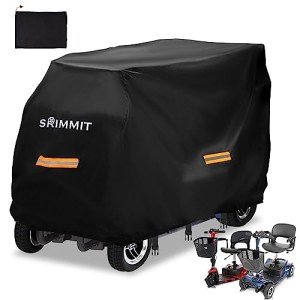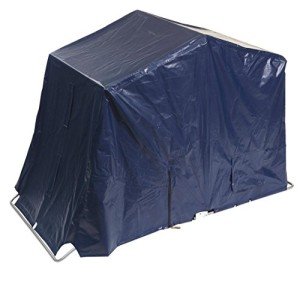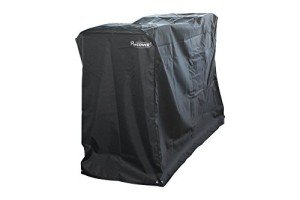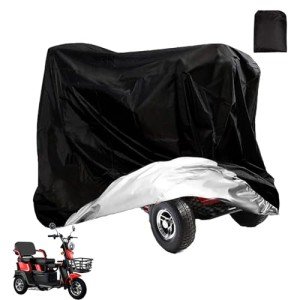

For individuals who rely on mobility scooters, these devices represent more than just a mode of transportation; they are essential tools for independence, social engagement, and daily freedom. Given that a high-quality mobility scooter is a significant financial investment, protecting it from the elements is a priority for any owner. While many users store their scooters indoors, there are frequent occasions where a scooter must be left outside—whether on a porch, in a driveway, or while visiting a public location.
This is where a heavy-duty waterproof mobility scooter cover becomes an indispensable accessory. Unlike standard lightweight dust covers, heavy-duty versions are engineered to withstand the rigors of outdoor exposure, ensuring the longevity of the vehicle’s mechanical and electronic components.
What Constitutes a "Heavy-Duty" Cover?
When searching for the ideal protection, it is important to distinguish between "water-resistant" and "waterproof," and between "lightweight" and "heavy-duty." A heavy-duty cover is characterized by the density of its fabric and the integrity of its construction.
Material Density and Denier
The strength of a fabric is often measured in "Denier" (D). Standard covers may use 190T or 210D polyester, which is thin and prone to tearing. In contrast, heavy-duty covers typically utilize 600D Oxford cloth or higher. This thicker weave provides superior resistance to punctures, abrasions, and the degrading effects of intense sunlight.
Waterproofing Layers
A truly waterproof cover does not rely on the fabric alone. Manufacturers apply a coating, usually Polyurethane (PU) or Polyvinyl Chloride (PVC), to the interior of the fabric. Additionally, the highest-quality covers feature heat-sealed or taped seams. This prevents water from seeping through the needle holes created during the sewing process—a common failure point in cheaper models.
The Vital Importance of Weather Protection
Exposure to the elements can lead to a variety of issues that range from aesthetic fading to catastrophic mechanical failure.
1. Protection Against Moisture and Corrosion
Mobility scooters are packed with sensitive electronics, including control panels (tiller heads), battery connections, and wiring harnesses. Rain and high humidity can lead to short circuits or corrosion. A heavy-duty waterproof cover acts as a primary barrier, keeping these critical components dry even during torrential downpours.
2. UV Ray Shielding
Constant exposure to the sun’s ultraviolet (UV) rays can be surprisingly damaging. UV light causes plastic fairings to become brittle and crack over time. It also causes the upholstery on the seat to fade and eventually split. Heavy-duty covers are usually treated with UV-resistant coatings to reflect sunlight and prevent heat buildup.
3. Dust, Debris, and Bird Droppings
Even in dry weather, wind carries dust and grit that can get into the moving parts of the scooter, such as the wheel bearings or the motor assembly. Furthermore, bird droppings and tree sap contain acidic compounds that can eat through the scooter’s paintwork if not cleaned immediately. A cover ensures the scooter remains pristine and ready for use.
Essential Features to Look For
Not all heavy-duty covers are created equal. When evaluating options, certain design features significantly enhance the user experience and the level of protection provided.
Key Features of Premium Covers:
- Elasticized Hems: An elastic cord running along the bottom edge allows the cover to "hug" the base of the scooter, providing a snug fit.
- Adjustable Buckle Straps: These are vital for windy conditions. Straps that clip under the chassis prevent the cover from being blown away or "parachuting."
- Air Vents: These allow for air circulation, which is critical for preventing the buildup of condensation and mold underneath the cover.
- Reflective Strips: For scooters parked near driveways or roads, reflective strips increase visibility at night, preventing accidental collisions by pedestrians or cars.
- Storage Bag: A heavy-duty cover is thick; having a dedicated bag makes it easier to fold and store when not in use.
Technical Specifications Comparison
To better understand the value of a heavy-duty option, the following table compares basic covers with heavy-duty alternatives.
| Feature | Standard/Lightweight Cover | Heavy-Duty Waterproof Cover |
|---|---|---|
| Material | 190T / 210D Polyester | 600D Oxford Cloth |
| Water Resistance | Water-resistant (light rain) | 100% Waterproof (heavy rain/snow) |
| Seam Construction | Standard Stitched | Taped or Heat-Sealed Seams |
| UV Protection | Minimal | High (UV-treated coating) |
| Durability | 6–12 months | 3–5 years+ |
| Wind Resistance | Poor (Often lacks straps) | Excellent (Buckles & elastic) |
Selecting the Right Size
A cover that is too small will not provide full coverage, leaving the bottom of the scooter exposed. Conversely, a cover that is too large will sag, allowing water to "pool" on top, which can eventually lead to leaks.
How to Measure Your Scooter
- Length: Measure from the very front of the bumper or basket to the very back of the rear wheels or anti-tip bars.
- Width: Measure the widest point, usually the armrests or the rear wheels.
- Height: Measure from the ground to the highest point, typically the top of the seat back or the mirrors.
Standard Size Guide:
| Scooter Type | Average Length | Average Width | Recommended Cover Size |
|---|---|---|---|
| Transportable/Travel | 38" - 42" | 18" - 20" | Small |
| Mid-Size / 3-Wheel | 45" - 50" | 22" - 24" | Medium |
| Large / All-Terrain | 55" - 65" | 26" - 30" | Large / XL |
Maintenance and Care for the Cover
To ensure the cover continues to provide maximum protection, it requires occasional maintenance.
- Cleaning: Do not machine wash heavy-duty covers, as the agitation can damage the waterproof PU/PVC coating. Instead, use a soft brush or sponge with lukewarm water and mild soap.
- Drying: Always allow the cover to air dry completely before folding it for storage. Storing a wet cover can lead to mildew.
- Inspection: Periodically check the seams and the interior coating for signs of wear or peeling.
The Cost-Benefit Analysis
While a heavy-duty cover costs more upfront than a thin plastic sheet, the long-term savings are substantial.
| Potential Expense | Without Heavy-Duty Cover | With Heavy-Duty Cover |
|---|---|---|
| Battery Replacement | High risk due to moisture damage | Low risk |
| Tiller/Electronics Repair | Frequent due to corrosion | Rare |
| Seat Re-upholstery | Required due to UV cracking | Not required |
| Resale Value | Low (Faded/Worn) | High (Pristine condition) |
Frequently Asked Questions (FAQ)
1. Is a heavy-duty cover breathable?
Most heavy-duty covers are made of non-breathable waterproof materials. However, high-quality designs include built-in air vents. These vents allow moisture trapped underneath to evaporate, preventing condensation which could otherwise lead to rust.
2. Can I use the cover while the scooter is on a car trailer?
Generally, no. Standard covers—even heavy-duty ones—are not designed to withstand the high-velocity wind pressures of highway speeds. For transporting a scooter on a vehicle rack, a specialized "travel cover" with reinforced tie-down points is required.
3. Will the cover protect my scooter from snow?
Yes. A heavy-duty 600D cover is designed to handle snow. However, it is recommended to brush heavy snow accumulation off the cover periodically to prevent the weight from putting undue stress on the scooter’s seat or mirrors.
4. How do I prevent the cover from blowing off in high winds?
Ensure the cover has an elasticated hem and, most importantly, adjustable straps that buckle underneath the scooter. This anchors the cover to the frame, preventing the wind from getting underneath it.
5. Can I put the cover on immediately after use?
It is best to let the motor cool down for a few minutes if the scooter has been used for a long duration, though most modern electric motors do not reach temperatures high enough to melt the heavy-duty fabric.
A mobility scooter is more than a machine; it is a gateway to the world. Protecting it with a heavy-duty waterproof cover is one of the most cost-effective ways to ensure that this gateway remains open. By investing in high-denier fabric, waterproof sealing, and a secure fit, scooter owners can rest easy knowing their vehicle is shielded from rain, sun, and debris. In the long run, the small effort of covering a scooter results in fewer repairs, a better appearance, and a much more reliable means of transportation.