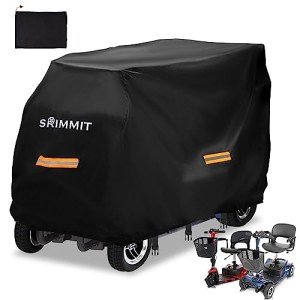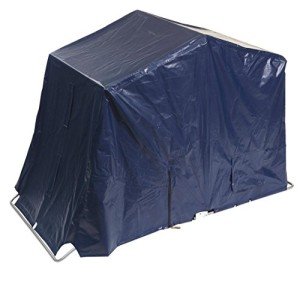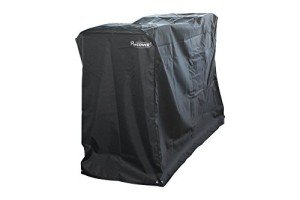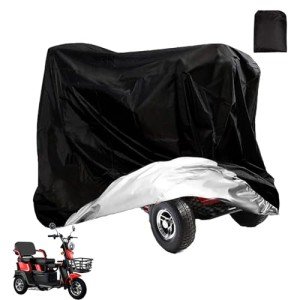

For individuals who rely on mobility scooters for their daily independence, the vehicle is more than just a piece of equipment; it is a vital link to the outside world. However, these complex electronic devices are highly susceptible to the elements. Rain, snow, intense sunlight, and even dust can compromise the mechanical integrity and aesthetic value of a scooter. This is where a heavy-duty waterproof mobility scooter cover becomes an indispensable investment.
By providing a robust barrier against environmental hazards, these covers ensure that the scooter remains functional, clean, and ready for use at a moment's notice. This guide explores the features, benefits, and technical specifications of heavy-duty covers, offering a comprehensive resource for owners and caregivers.
Why Standard Covers Are Often Insufficient
Many mobility scooter owners initially opt for lightweight, inexpensive plastic sheets or basic nylon covers. While these may offer temporary protection against a light drizzle, they often fail under the pressures of long-term outdoor storage or severe weather.
Thin materials are prone to tearing in high winds, and non-breathable plastics can trap moisture underneath, leading to a "greenhouse effect." This trapped humidity facilitates the growth of mold and can cause internal corrosion of the scooter’s sensitive electrical components. In contrast, a heavy-duty cover is engineered with weighted fabrics and advanced coatings designed to withstand the rigors of all-season exposure.
Key Features of a Heavy-Duty Waterproof Mobility Scooter Cover
When selecting a cover, certain technical specifications differentiate a high-quality protective layer from a mediocre one. Understanding these features allows for a more informed purchasing decision.
1. High-Denier Fabric
The "Denier" (D) refers to the thickness of the fibers used in the fabric. A heavy-duty cover typically utilizes 420D or 600D Oxford polyester. This material is exceptionally durable, resistant to abrasions, and capable of maintaining its shape even after years of folding and unfolding.
2. Dual-Layer Protection
The best covers feature a dual-layer design. The outer layer is usually a high-density fabric treated with a water-repellent finish, while the inner layer often features a PVC or Polyurethane (PU) coating. This combination ensures that water beads off the surface instead of soaking through.
3. Taped or Heat-Sealed Seams
The points where fabric panels are sewn together are the most common failure points for waterproofing. Heavy-duty covers feature taped seams, where a waterproof strip is heat-pressed over the stitching to ensure that no moisture can seep through the needle holes.
4. Ventilation Systems
Because temperature fluctuations can cause condensation, premium covers include built-in air vents. These vents allow for air circulation, preventing the buildup of mold and rust on the scooter’s metal frame and battery terminals.
5. Secure Fastening Mechanisms
To prevent the cover from blowing away during high winds, heavy-duty models are equipped with elasticized hems and adjustable buckled straps that run underneath the chassis.
Technical Specifications: Material Comparison
The following table compares common materials used in mobility scooter covers to highlight the advantages of heavy-duty options.
| Feature | Standard Plastic/Vinyl | Lightweight Nylon | Heavy-Duty 600D Oxford |
|---|---|---|---|
| Water Resistance | Low (prone to cracks) | Moderate | High (with PU coating) |
| Durability | Very Low | Moderate | Excellent |
| UV Protection | Poor | Standard | Superior (UV-stabilized) |
| Breathability | None | Low | Integrated Vents |
| Wind Resistance | Poor | Average | High (Weighted/Buckled) |
The Threat of Environmental Exposure
A mobility scooter is an assembly of metal, plastic, upholstery, and electronics. Each of these components reacts differently to the environment:
- UV Radiation: Prolonged sun exposure causes the dashboard (tiller) to fade and become brittle. It can also cause the seat's vinyl or leatherette to crack.
- Moisture and Humidity: Water can penetrate the control panel, leading to short circuits. Furthermore, moisture accelerates the oxidation of the battery terminals, reducing the scooter's range and lifespan.
- Dust and Debris: Fine particles can find their way into the motor assembly or the brake system, causing premature wear and tear.
A heavy-duty cover acts as a comprehensive shield, mitigating all these risks simultaneously.
Sizing and Fitment Guide
One size rarely fits all. A cover that is too small will not protect the lower frame and wheels, while a cover that is too large will flap in the wind and accumulate water in sagging pockets.
| Scooter Type | Typical Dimensions (L x W) | Recommended Cover Size |
|---|---|---|
| Transport/Travel Scooter | 35" - 40" x 20" | Small |
| Standard 3/4 Wheel Scooter | 45" - 50" x 24" | Medium |
| Heavy-Duty / Bariatric | 55" - 60" x 28" | Large |
| Enclosed/Cabin Scooter | Varies (Large footprints) | Extra-Large / Custom |
Note: Always measure the scooter from the furthest point of the front bumper to the rear of the seat or basket.
Maintenance and Care for Your Cover
To maximize the lifespan of a heavy-duty cover, proper maintenance is required:
- Regular Cleaning: Do not machine wash the cover, as this can strip away the waterproof coating. Instead, use a soft brush and mild soap with lukewarm water.
- Proper Drying: Ensure the cover is completely dry before folding it for storage. Storing a damp cover can lead to permanent mildew damage.
- Avoid Sharp Edges: Check the scooter for any sharp protruding parts that might puncture the fabric. Positioning a piece of foam over sharp mirrors or baskets can extend the cover's life.
- Check Fastenings: Periodically inspect the buckles and elastic cords for signs of fraying or wear.
Frequently Asked Questions (FAQ)
Can I leave my mobility scooter outside all winter with a heavy-duty cover?
Yes, a high-quality 600D waterproof cover is designed for year-round use. However, it is still recommended to remove the battery and store it indoors if temperatures drop below freezing for extended periods, as cold can diminish battery capacity.
Will a waterproof cover prevent condensation?
While no cover can completely stop atmospheric humidity, a heavy-duty cover with integrated air vents significantly reduces the risk of condensation by allowing air to flow through rather than trapping it against the scooter.
How do I know if my cover is "heavy-duty"?
Look for the Denier rating (400D or higher) and check for a weightier feel. Additionally, heavy-duty covers will almost always feature taped seams and a dedicated UV-resistant coating, which cheaper alternatives lack.
Is the cover easy to put on for someone with limited mobility?
Most heavy-duty covers are designed with ease of use in mind. Look for models with "slip-on" designs and high-contrast labels to indicate the front and back. Many users find that folding the cover back onto itself makes it easier to slide over the tiller and seat.
Do these covers protect against snow?
Yes. Heavy-duty covers are designed to shed snow. However, if several inches of heavy, wet snow accumulate on the top of the cover, it should be brushed off to prevent the weight from potentially damaging the scooter’s mirrors or tiller.
A mobility scooter represents both a financial investment and a gateway to personal freedom. Protecting that investment requires more than just a casual draped sheet; it demands a solution engineered for durability and environmental resistance. A heavy-duty waterproof mobility scooter cover provides peace of mind, ensuring that whether it is a summer storm or a winter blizzard, the vehicle remains pristine and ready for the next journey. By prioritizing high-grade materials, proper fitment, and essential features like ventilation and UV protection, owners can significantly extend the life of their mobility aids and reduce long-term maintenance costs.