
The landscape of mobility technology has undergone a radical transformation over the past decade. For many years, wheelchair users were often limited by the design of their equipment, restricted primarily to flat, paved surfaces and indoor environments. However, the advent of the lightweight all-terrain sports wheelchair has redefined what is possible for active adults. These chairs are not merely mobility aids; they are high-performance machines engineered to tackle mountains, beaches, and athletic courts alike.
For the active adult, the transition from a standard manual wheelchair to an all-terrain model represents a shift from accessibility to true freedom. This post explores the engineering, benefits, and considerations surrounding these specialized chairs.
Defining the All-Terrain Sports Wheelchair
An all-terrain sports wheelchair is specifically designed to handle surfaces that would be impassable for a standard chair. This includes gravel, sand, grass, snow, and forest trails. Unlike heavy, motorized all-terrain vehicles, the modern "lightweight" category focuses on manual propulsion, utilizing advanced materials to ensure the user can maneuver the chair without excessive physical strain.
Key Engineering Features
The effectiveness of these chairs relies on several critical design elements:
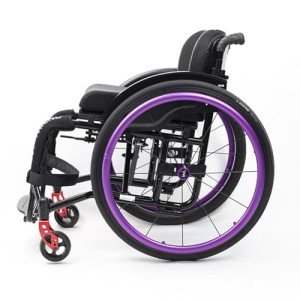
- Cambered Wheels: The wheels on sports chairs are often angled outward at the top. This "camber" provides a wider base, which increases lateral stability during quick turns or on uneven ground.
- High-Flotation Tires: Much like a mountain bike, these wheelchairs use wider, knobby tires. These provide a larger surface area to prevent sinking into soft ground and offer the grip necessary for climbing inclines.
- Advanced Suspension: To protect the user’s spine and joints from the jolts of rough terrain, many models include built-in shock absorbers or flexible frames.
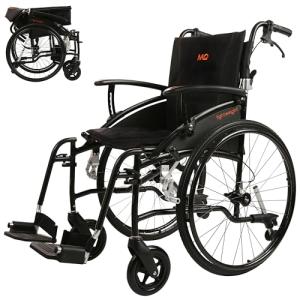
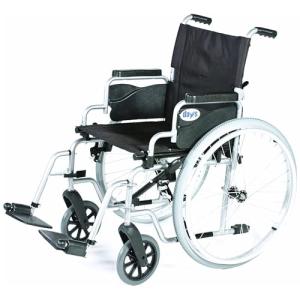
- Rigid Frame Construction: While some daily-use chairs fold, sports and all-terrain models often feature a rigid frame. This design ensures that every ounce of energy the user puts into the push-rims is translated into forward motion rather than being lost in the "flex" of a folding mechanism.
Material Science: The Quest for Lightness
The "lightweight" aspect of these wheelchairs is achieved through the use of aerospace-grade materials. Reducing the weight of the chair is essential for both performance and transportability. Every kilogram saved is a kilogram less that the user has to push up a hill or lift into a vehicle.
Comparison of Common Frame Materials
The following table outlines the different materials used in the construction of lightweight all-terrain wheelchairs:
| Material | Average Frame Weight | Durability | Price Range | Key Characteristic |
|---|---|---|---|---|
| Aluminum (7000 Series) | 9 – 12 kg | High | Moderate | Excellent strength-to-weight ratio; industry standard. |
| Titanium | 7 – 10 kg | Excels | High | Naturally dampens vibrations; extremely corrosion-resistant. |
| Carbon Fiber | 5 – 8 kg | Moderate/High | Premium | Ultralight and rigid; ideal for high-performance sports. |
| Chromoly Steel | 12 – 15 kg | Very High | Low | Affordable and easy to repair, but significantly heavier. |
The Benefits of an Active, All-Terrain Lifestyle
Investing in a lightweight all-terrain sports wheelchair offers more than just physical mobility; it facilitates a holistic improvement in quality of life.
Physical Health Improvements
Using a manual all-terrain chair is a rigorous cardiovascular workout. Adults who engage in off-road wheeling or wheelchair sports often see significant increases in upper body strength, particularly in the shoulders, chest, and core. Furthermore, being able to navigate different terrains allows for a more varied exercise routine, reducing the monotony often associated with indoor fitness.
Psychological and Social Impact
Nature has a documented effect on mental health. For many years, forest trails and beaches were "off-limits" for many wheelchair users. All-terrain technology allows individuals to participate in hiking trips with friends, beach outings with family, and competitive outdoor sports. This social inclusion is vital for combating the isolation that can sometimes accompany mobility challenges.
Versatility in Sports
These chairs are often multi-functional. While they excel on trails, their stability and lightweight nature make them suitable for:
- Wheelchair Basketball
- Wheelchair Tennis
- Quad Rugby
- Adaptive Cross-Fit
Essential Features to Look For
When selecting a lightweight all-terrain sports wheelchair, certain features are non-negotiable for adults who intend to push the limits of their environment.
- Adjustable Center of Gravity: The ability to move the seat forward or backward relative to the rear axle allows the user to balance the chair perfectly for their body type and skill level.
- Quick-Release Wheels: Essential for transport. Being able to pop off the large, muddy tires allows the frame to fit into the trunk of a standard car.
- Integrated Push Handles: While many sports chairs omit these for a sleek look, all-terrain users may want them in case they need a "spot" or a assist on particularly steep mud inclines.
- Specialized Seating Systems: Pressure sores are a significant risk for active users. All-terrain chairs should be compatible with high-end skin protection cushions.
Maintenance and Care for All-Terrain Equipment
Because these chairs are exposed to harsher elements than standard wheelchairs, they require a dedicated maintenance schedule.
Weekly Maintenance Checklist:
- Tire Pressure: Check PSI levels. Lower pressure might be better for sand, but higher pressure is needed for speed on hard surfaces.
- Debris Removal: Clean out grass, mud, or sand from the axles and caster housings.
- Spoke Tension: Ensure the spokes on the wheels are tight; uneven tension can lead to a "wobble" at high speeds.
- Brake Alignment: Check that the wheel locks (brakes) haven't slipped due to vibration.
Monthly Maintenance Checklist:
- Frame Inspection: Look for hairline cracks in the welds, especially if using a carbon fiber or aluminum frame.
- Lubrication: Apply a dry silicone-based lubricant to the moving parts of the front casters.
- Upholstery Check: Ensure the seat sling isn't sagging, which can affect the user's posture and center of gravity.
Frequently Asked Questions (FAQ)
1. Is an all-terrain wheelchair suitable for every-day indoor use?
While it is possible, it is not always ideal. The wider, knobby tires can track mud and dirt indoors, and the cambered wheels make the chair wider, which may be difficult for narrow doorways. Many users prefer to have a dedicated "sports/outdoor" chair and a separate "indoor/daily" chair.
2. Can these chairs be customized for specific disabilities?
Yes. Most high-end lightweight sports wheelchairs are custom-built. Measurements are taken of the user’s hip width, leg length, and trunk stability to ensure the frame fits like a glove.
3. Are lightweight all-terrain wheelchairs covered by insurance?
Coverage varies significantly by provider and region. In many cases, insurance companies may cover a "standard" wheelchair but view all-terrain or sports-specific chairs as "luxury" or "recreational" items. However, a letter of medical necessity focusing on the need for exercise and mental health can sometimes assist in the claims process.
4. How much do these wheelchairs typically weigh?
A truly "lightweight" all-terrain chair for an adult usually weighs between 8kg and 13kg (18lb to 28lb) without the wheels. With the wheels attached, the total weight may rise, but the goal is to keep it manageable for solo lifting.
5. What is the difference between a "beach wheelchair" and an "all-terrain sports wheelchair"?
Beach wheelchairs often utilize massive, balloon-like tires designed specifically for soft sand and are frequently made of PVC or plastic to resist salt-water corrosion; they are often difficult to self-propel. An all-terrain sports wheelchair is usually made of metal/carbon fiber and is designed for the user to propel themselves across a variety of terrains, including but not limited to sand.
The lightweight all-terrain sports wheelchair has bridged the gap between clinical necessity and athletic ambition. By combining the principles of mechanical engineering with the latest in material science, these chairs allow adults to maintain an active, adventurous lifestyle regardless of their mobility status. While they require a higher initial investment and more diligent maintenance than a standard chair, the "return on investment" in terms of health, freedom, and access to the great outdoors is immeasurable. For the modern adult, the pavement is no longer the end of the road—it is merely the beginning.