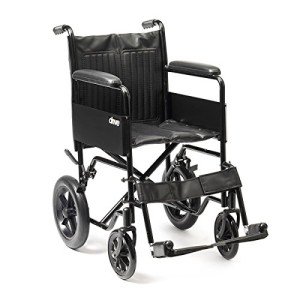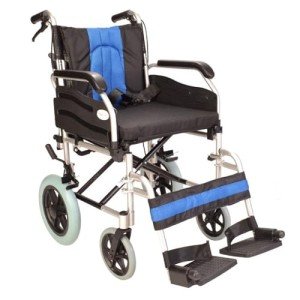

For individuals with limited mobility, the desire to explore the world remains a fundamental human aspiration. However, the logistical challenges of transporting bulky, heavy mobility equipment can often turn a dream vacation into a stressful ordeal. This is where the lightweight foldable aluminum wheelchair emerges as a transformative solution. Engineered for portability, durability, and ease of use, these devices have revolutionized the way travelers navigate airports, cruise ships, and historic city centers.
This guide explores the intricate details of lightweight aluminum wheelchairs, their benefits, and why they are the gold standard for modern travel.
Why Aluminum? The Science of Portability
The primary concern for any traveler is weight. Standard manual wheelchairs, often constructed from steel, can weigh anywhere from 35 to 50 pounds. In contrast, high-grade aluminum wheelchairs typically weigh between 19 and 29 pounds.
Aluminum offers a unique strength-to-weight ratio. It provides the structural integrity necessary to support various body weights while remaining light enough to be lifted into a car trunk or an airplane’s overhead compartment by a companion or an airline staff member. Furthermore, aluminum is naturally resistant to corrosion, making it an ideal choice for humid tropical climates or salty coastal air—environments where steel frames might succumb to rust.
Comparison Table: Aluminum vs. Steel Wheelchairs
| Feature | Aluminum Wheelchairs | Steel Wheelchairs |
|---|---|---|
| Average Weight | 19 – 28 lbs | 35 – 50+ lbs |
| Corrosion Resistance | High (Rust-resistant) | Low (Prone to rust) |
| Portability | Excellent for travel | Difficult to transport |
| Durability | High durability; long-lasting | Very durable but heavy |
| Typical Use | Active users and travelers | Long-term home use |
Essential Features for Travel
When selecting a wheelchair specifically for travel, several key features distinguish a mediocre model from an exceptional one. Travelers must look beyond just the weight and consider how the chair interacts with the various environments they will encounter.
1. Foldability and Compact Design
The hallmark of a travel wheelchair is its ability to collapse into a compact form. Most aluminum models use a "cross-brace" folding mechanism, allowing the sides to come together. Some advanced models also feature folding backrests, which further reduce the vertical profile of the chair, making it fit into even the smallest compact car trunks.
2. Quick-Release Wheels
For those looking to save even more space, many lightweight aluminum chairs come equipped with quick-release rear wheels. With the push of a button, the large wheels can be removed, allowing the frame to be stored separately. This is particularly useful for fitting the chair into tight spaces on buses or trains.
3. Ergonomic Comfort
Travel often involves long hours of sitting. Aluminum chairs are now designed with breathable nylon upholstery and ergonomic seat angles to prevent pressure sores and fatigue. Flip-back armrests are another crucial feature, as they allow the user to pull up close to tables at restaurants or transfer comfortably to a car seat.
The Benefits of Using Lightweight Aluminum for Travel
The advantages extend beyond mere weight reduction. Using a chair designed specifically for travel improves the quality of the trip for both the user and their companions.
Key Benefits Include:
- Reduced Physical Strain: Caregivers or companions face significantly less risk of back injury when lifting the chair.
- Airline Compliance: Most lightweight aluminum chairs are designed to be "gate-checked," meaning they can be used right up to the door of the aircraft.
- In-Place Maneuverability: Aluminum chairs often have a tighter turning radius, making it easier to navigate narrow hotel hallways and cruise ship cabins.
- Aesthetic Appeal: Modern aluminum frames are often powder-coated in various colors, offering a sleek, modern look compared to the "hospital" appearance of chrome steel chairs.
Maintenance for Longevity
To ensure a lightweight aluminum wheelchair remains reliable through years of travel, regular maintenance is required. Travel can be particularly hard on equipment due to varying terrains such as cobblestones, sand, and asphalt.
Travel Maintenance Checklist:
- Check the Fasteners: Vibrations from travel can loosen bolts. Periodically ensure all screws and nuts are tightened.
- Clean the Axles: Grit and hair can wrap around the wheel axles, causing friction. Clean these regularly to maintain a smooth roll.
- Inspect the Upholstery: Look for tears or sagging in the seat and backrest, which can compromise support.
- Test the Brakes: Moving through crowded airports requires responsive brakes. Ensure the locking mechanism is firm and adjusted correctly.
Selecting the Right Model: Specs to Consider
Not all aluminum wheelchairs are created equal. When shopping, one must look at the specifications to match the chair to the user’s specific needs.
| Specification | Importance for Travel | Recommended Range |
|---|---|---|
| Seat Width | Crucial for fitting through narrow doors | 16, 18, or 20 inches |
| Weight Capacity | Safety and structural integrity | 250 – 300 lbs |
| Wheel Type | Solid (No-flat) vs. Pneumatic (Air) | Solid polyurethane for travel |
| Folded Width | Fits in vehicle storage | 10 – 13 inches |
| Front Caster Size | Affects handling on rough terrain | 6 – 8 inches |
Travel Tips for Wheelchair Users
Navigating the world with a foldable aluminum wheelchair requires preparation. The following tips can help ensure a smooth journey:
- Communicate with Airlines: Always notify the airline at least 48 hours in advance that a wheelchair will be brought on board. Specify the dimensions and whether it is a manual or powered unit.
- Label Everything: Attach "Fragile" stickers and a contact information tag to the wheelchair frame to ensure it is handled with care by ground crews.
- Gate Check vs. Cabin Storage: Under the Air Carrier Access Act (in the US), many planes have a designated closet for one folding wheelchair. Inquire if this space is available upon boarding.
- Carry-on Tools: Keep a small "travel kit" containing an Allen wrench and a small screwdriver for quick on-the-go adjustments.
Frequently Asked Questions (FAQ)
1. Is an aluminum wheelchair strong enough for outdoor use?
Yes. High-quality aluminum frames are heat-treated to provide strength comparable to steel. While they are lightweight, they are designed to handle outdoor surfaces like pavement and ramps effectively.
2. Can one person fold the wheelchair easily?
Most lightweight aluminum wheelchairs are designed for one-handed folding. By pulling up on the center of the seat, the chair collapses inward instinctively. Most users or caregivers find them much easier to manage than standard chairs.
3. Are these chairs airline-approved?
Manual aluminum wheelchairs are universally accepted by airlines. Because they do not have batteries (unlike power chairs), they do not fall under hazardous material regulations. It is always best to check the chair at the gate rather than the ticket counter to prevent damage.
4. How long does a typical aluminum travel wheelchair last?
With proper maintenance, a high-quality aluminum wheelchair can last between 3 to 5 years of heavy travel or much longer for occasional use. Replacing tires and upholstery can further extend its lifespan.
5. Are there weight limits for these chairs?
Yes. Most standard lightweight aluminum models support up to 250 or 300 pounds. For individuals requiring a higher weight capacity, "heavy-duty" or bariatric aluminum chairs are available, though they may be slightly heavier.
The evolution of mobility technology has made the world more accessible than ever before. The lightweight foldable aluminum wheelchair stands at the intersection of engineering and freedom. By choosing a chair that prioritizes portability without sacrificing comfort or durability, travelers with limited mobility can navigate their journeys with confidence. Whether it is a weekend road trip or an international expedition, the right equipment ensures that the focus remains on the destination, not the difficulties of the journey.