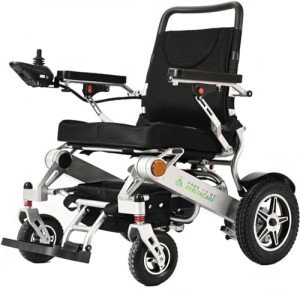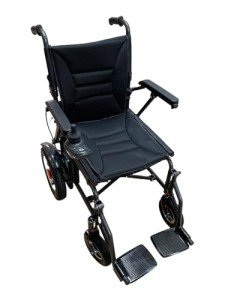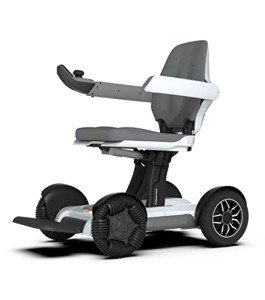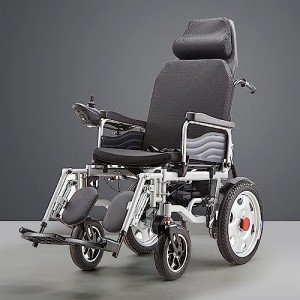


For many adults living with limited mobility, the world can sometimes feel increasingly small. Traditional manual wheelchairs require significant physical exertion, while standard electric wheelchairs are often bulky, heavy, and difficult to transport without a specialized vehicle. However, the landscape of assistive technology has shifted dramatically with the advent of the lightweight foldable electric wheelchair.
These innovative devices combine the power of electric propulsion with the convenience of a compact, portable design. This post explores the technical specifications, practical benefits, and essential considerations for those looking to invest in a lightweight foldable power chair.
The Evolution of Portable Power Mobility
Historically, electric wheelchairs were synonymous with "heavy." Equipped with lead-acid batteries and reinforced steel frames, these chairs often weighed upwards of 250 pounds. This made travel nearly impossible without expensive hydraulic lifts.
The modern lightweight foldable electric wheelchair leverages advancements in material science and battery technology. By utilizing aircraft-grade aluminum alloys or carbon fiber frames and high-energy-density lithium-ion batteries, manufacturers have managed to reduce the total weight to between 40 and 65 pounds. This allows the chair to be folded in seconds and placed into the trunk of a standard sedan, effectively removing the barriers to spontaneous travel and independence.
Key Features of Lightweight Foldable Electric Wheelchairs
When evaluating these mobility aids, several technical features define their performance and reliability. Below are the primary components that set high-quality models apart:
1. Frame Material and Durability
Most high-end models use aircraft-grade aluminum. This material offers an optimal strength-to-weight ratio, ensuring the chair can support significant weight capacities (often up to 300 lbs) while remaining light enough for a caregiver or user to lift.
2. Lithium-Ion Battery Technology
Unlike old-fashioned heavy batteries, lithium-ion batteries are light, charge quickly, and offer a longer lifespan. Most importantly, many are designed to be "travel-safe," adhering to FAA and TSA regulations for airline travel.
3. Brushless Motors
The introduction of dual brushless motors has revolutionized power delivery. These motors are more efficient, quieter, and require less maintenance than their brushed predecessors. They provide the necessary torque to navigate inclines and uneven surfaces like grass or gravel.
4. Simple Folding Mechanisms
The hallmark of these chairs is the "fold and go" design. Most models utilize a one-touch or one-hand folding system that collapses the chair into the size of a large suitcase in under five seconds.
Technical Specifications Comparison
To better understand the capabilities of these devices, the following table illustrates the typical specifications of a standard vs. a premium lightweight foldable electric wheelchair.
| Feature | Standard Lightweight Model | Premium Ultra-Light Model |
|---|---|---|
| Frame Material | Aluminum Alloy | Carbon Fiber / Grade Aluminum |
| Total Weight (with battery) | 55 - 65 lbs | 40 - 50 lbs |
| Weight Capacity | 265 lbs | 330 lbs |
| Top Speed | 4 mph | 5 - 6 mph |
| Driving Range | 10 - 12 miles | 15 - 18 miles |
| Turning Radius | 33 inches | 29 inches |
| Battery Type | Single Lithium-Ion | Dual Lithium-Ion (Hot Swap) |
| Incline Rating | 6 degrees | 8 - 12 degrees |
The Benefits of Choosing a Foldable Power Chair
The transition to a lightweight electric model offers numerous advantages that extend beyond mere movement.
Enhanced Independence
Users no longer have to rely on a companion to push them or wait for specialized transport. The ability to control one's own pace and direction fosters a sense of autonomy that is vital for mental well-being.
Seamless Travel and Logistics
Whether it is a trip to the local grocery store or an international flight, these chairs are built for movement.
- Car Travel: They fit in most trunks without modifications.
- Air Travel: Most feature removable batteries that can be carried into the cabin.
- Public Transport: Their tight turning radius makes them ideal for buses and trains.
Compact Storage
For adults living in apartments or smaller homes, space is at a premium. A foldable wheelchair can be tucked away in a closet or behind a sofa when not in use, keeping living spaces clear of clutter.
Versatility of Terrain
Modern power chairs are no longer restricted to flat indoor floors. With larger rear wheels and sophisticated suspension systems, many models can handle:
- Standard ADA-compliant ramps.
- Manicured park paths and gravel.
- Thick carpeting and door thresholds.
What to Consider Before Purchasing
Selecting the right wheelchair requires a careful assessment of the user's specific needs and lifestyle. It is not a "one-size-fits-all" purchase.
User Comfort and Ergonomics
Since the user may spend several hours a day in the chair, ergonomics are paramount. Prospective buyers should check the seat width, the quality of the foam cushioning, and whether the armrests are height-adjustable or flip-up (to facilitate side transfers).
The Turning Radius
For indoor use, the turning radius is critical. A smaller turning radius allows the user to navigate tight hallways, bathrooms, and small kitchens more effectively.
Controller Sensitivity
Most chairs use a 360-degree joystick. High-quality controllers offer programmable speed settings and high sensitivity, which is particularly important for users with limited hand strength or tremors.
Safety Features
Safety should never be compromised for weight. Essential safety features include:
- Electromagnetic Brakes: These automatically engage the moment the user lets go of the joystick, preventing the chair from rolling on slopes.
- Anti-Tip Wheels: Small wheels at the rear that prevent the chair from tipping backward on inclines.
- Solid Tires: Flat-free tires ensure the user is never stranded due to a puncture.
Maintenance Checklist for Longevity
To ensure a lightweight electric wheelchair remains in peak condition, a regular maintenance routine is recommended:
- Battery Care: Avoid letting the battery drop to 0%. Charge it after every significant use.
- Tire Inspection: Check for wear and tear or debris stuck in the treads.
- Cleaning: Use a damp cloth to wipe down the frame. Avoid spraying water directly on the joystick or motor housing.
- Bolt Tightening: Periodically check that all folding joints and armrest bolts are secure.
Frequently Asked Questions (FAQ)
Q1: Can I take a foldable electric wheelchair on an airplane?
A: Yes, most lightweight foldable electric wheelchairs are airline-approved. However, the battery must usually be a Lithium-ion type under 300Wh (or two under 160Wh each). It is always recommended to check with the specific airline 48 hours before departure.
Q2: How far can these wheelchairs go on a single charge?
A: Most standard models offer a range of 10 to 13 miles. Some premium models with dual battery slots can extend this range to 20 miles. Factors like user weight and terrain will affect the actual distance.
Q3: Are these chairs difficult to fold?
A: No. Most modern designs feature a simple pull-release or button-press mechanism that allows the chair to collapse in 3 to 5 seconds. They are designed to be operated by people with varying levels of physical strength.
Q4: Does insurance or Medicare cover these wheelchairs?
A: Coverage varies. Generally, for insurance to cover a power wheelchair, a doctor must provide a "medical necessity" justification stating that the patient cannot use a manual wheelchair or walker. It is best to consult with your provider regarding "Portable Power Mobility" coverage.
Q5: Can these wheelchairs handle grass or hills?
A: Most can handle light grass and modest inclines (up to 6–8 degrees). For steeper hills or rugged off-road terrain, users should look for models with larger motors (250W+) and bigger rear tires.
The lightweight foldable electric wheelchair represents a significant leap forward in mobility technology. By stripping away the bulk of traditional power chairs and replacing it with smart design and high-tech materials, manufacturers have provided adults with a tool that truly supports an active, independent lifestyle.
Whether the goal is to travel the world, navigate a local shopping mall, or simply move more freely within the home, these chairs offer a reliable and convenient solution. When choosing a model, focusing on weight, battery safety, and comfort will ensure that the investment provides freedom for years to come.