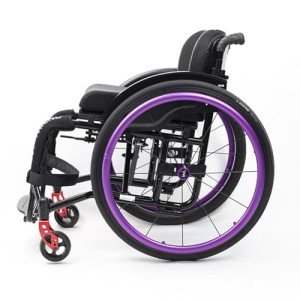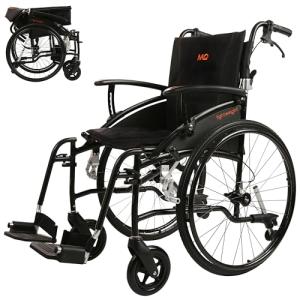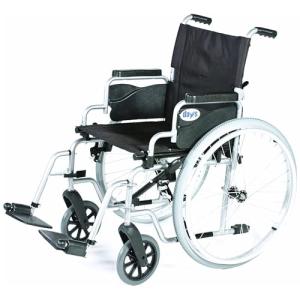

Mobility is a fundamental aspect of independence, yet for many individuals, the standard dimensions of healthcare equipment can present unexpected hurdles. In many residential settings, older buildings, and narrow urban apartments, standard-sized wheelchairs often struggle to pass through doorways or navigate tight corridors. This is where the Lightweight Folding Aluminium Narrow Wheelchair with a 16" Seat becomes an essential mobility solution.
Designed with a focus on both portability and accessibility, these specialized wheelchairs bridge the gap between heavy-duty stability and the need for compact maneuverability. This guide explores the features, benefits, and technical considerations of choosing a narrow-frame aluminum wheelchair.
The Engineering Behind the Aluminium Frame
The primary material used in these wheelchairs is high-grade aluminum. Traditionally, wheelchairs were manufactured using steel, which—while durable—added significant weight, making them difficult for caregivers to lift or for users to propel manually over long distances.
Benefits of Aluminium Construction
- Weight Reduction: Aluminium is significantly lighter than steel, often reducing the total chair weight by 30% to 50%.
- Corrosion Resistance: Unlike steel, aluminum does not rust easily, ensuring a longer lifespan even in humid environments.
- Structural Integrity: Modern aluminum alloys are engineered to provide the same level of support and weight capacity as heavier metals.
- Ease of Transport: The reduced weight makes it much easier to lift the chair into a vehicle trunk or navigate public transportation.
Why the 16" Narrow Seat Matters
In the world of mobility aids, "narrow" usually refers to a seat width of 16 inches, compared to the standard 18-inch or 20-inch models. While two inches may seem negligible, it translates to a significantly slimmer total profile for the chair.
Maneuvering Tight Environments
Standard interior doorways in older homes can be as narrow as 28 inches, and bathroom doors are frequently even smaller. A standard wheelchair, with its wide wheels and push rims, often grazes the doorframe or fails to enter entirely. A 16-inch seat width brings the total width of the wheelchair down, allowing the user to pass through narrow apertures with ease.
Comparison: Standard vs. Narrow Wheelchair Dimensions
| Feature | Standard Manual Wheelchair | Narrow Aluminium Wheelchair |
|---|---|---|
| Seat Width | 18" - 20" | 16" |
| Approx. Total Width | 24" - 26" | 20" - 22" |
| Frame Material | Steel or Heavy Alloy | Lightweight Aluminium |
| Average Weight | 18kg - 22kg | 11kg - 14kg |
| Ideal User Size | Average to Large Adults | Slim Adults / Teenagers / Seniors |
Key Features of Folding Narrow Wheelchairs
When selecting a mobility aid in this category, several design elements contribute to its functionality. These features ensure that the chair is not just a transport device, but a tool for daily living.
1. The Folding Mechanism
Most narrow aluminum wheelchairs utilize a "cross-brace" folding mechanism. By pulling upward on the seat upholstery, the sides of the chair collapse inward. This reduces the width to approximately 10 to 12 inches, allowing the chair to be stored in closets or behind car seats.
2. Attendant-Propelled vs. Self-Propelled
Users must choose between two primary wheel configurations:
- Self-Propelled: Large rear wheels with hand rims allow the user to move themselves.
- Attendant-Propelled (Transit): Smaller rear wheels designed for a caregiver to push the chair. These are generally even lighter and more compact.
3. Safety and Comfort Components
Despite the focus on a slim profile, comfort is not sacrificed. Look for the following:
- Padded Armrests: Usually desk-length to allow the user to sit close to tables.
- Swing-Away Footrests: Essential for safe transfers into and out of the chair.
- Hand Brakes: Often located on the handles for caregivers and on the wheels for users.
Technical Specifications (Typical Model)
| Specification | Details |
|---|---|
| Frame Material | Liquid-painted Aluminium Alloy |
| Seat Width | 16 inches (40 cm) |
| Total Weight | Approx. 12.5 kg |
| Max User Weight | 100 kg - 110 kg |
| Front Castors | 7" or 8" Solid PVC |
| Rear Wheels | 22" or 24" (Self-Propel) / 12" (Transit) |
| Upholstery | Breathable Nylon or Padded Oxford Fabric |
| Brakes | Dual Locking Lever Brakes |
Who Should Choose a 16" Narrow Wheelchair?
The 16-inch seat is a specialized size. It is critical to ensure the user fits comfortably within the frame to avoid pressure sores or discomfort.
Recommended Profiles:
- Slight-build Adults: Individuals who find that a standard 18-inch seat leaves too much room on the sides, leading to poor posture.
- Teenagers/Pediatric Transition: Users who have outgrown children’s chairs but are not yet large enough for standard adult sizes.
- Urban Dwellers: Individuals living in apartments with narrow hallways or elevators.
- Frequent Travelers: Those who need a secondary, lightweight chair for air travel or car trips.
Maintaining Your Wheelchair for Longevity
To ensure the safety and smooth operation of a lightweight aluminum wheelchair, regular maintenance is required. Because aluminum parts can be more delicate than heavy steel, certain steps are vital.
- Tire Inspections: If the chair has pneumatic tires, check the pressure weekly. For solid tires, check for flat spots or cracks.
- Brake Checks: Ensure the locking mechanism engages firmly against the wheel.
- Cleaning the Frame: Wipe down the aluminum frame with a damp cloth to remove salt, dirt, or moisture.
- Lubrication: Apply a silicone-based lubricant to the folding cross-brace and wheel axles every few months to prevent squeaking and stiff movement.
- Upholstery Check: Look for sagging or tears in the 16" seat fabric, which can affect the user’s spinal alignment.
Frequently Asked Questions (FAQ)
1. Is a 16" seat too small for an average adult?
A 16" seat is generally tailored for individuals who weigh less than 75kg or have a slimmer hip width. It is highly recommended to measure the user's hips while seated; there should be approximately one inch of space on either side of the thighs.
2. Can these wheelchairs be used outdoors?
Yes, lightweight aluminum wheelchairs are suitable for outdoor use on paved surfaces, sidewalks, and flat paths. However, because they are lighter, they may feel less stable on very rugged or uneven terrain compared to heavy-duty outdoor models.
3. Does "narrow" mean the chair is less stable?
While the footprint is slightly smaller, these chairs are engineered with a specific center of gravity to maintain stability. As long as the user remains within the specified weight limit, the chair is safe for standard use.
4. How much does a folding narrow wheelchair weigh?
Most aluminum models in this category weigh between 11kg and 14kg. This makes them significantly easier to manage than standard chairs, which often exceed 20kg.
5. Can I customize the footrests?
Most models come with detachable or swing-away footrests. These can often be adjusted for height to ensure the user's knees are at a comfortable 90-degree angle.
Summary of Benefits
For those seeking a balance between functionality and footprint, the lightweight folding aluminium narrow wheelchair offers several advantages:
- Improved Accessibility: Fits through narrow bathroom and bedroom doors where other chairs fail.
- User Independence: The lightweight frame allows for easier self-propulsion and less fatigue.
- Caregiver Ease: Lifting the chair into a car trunk becomes a simple task rather than a physical strain.
- Storage Efficiency: The folding design is ideal for small homes and apartments.
The Lightweight Folding Aluminium Narrow Wheelchair with a 16" Seat represents a thoughtful intersection of material science and ergonomic design. By prioritizing a slimmer frame and lighter weight, it removes the physical barriers that often confine mobility-impaired individuals to specific rooms or environments. Whether used as a primary chair for a small-framed individual or as a secondary "travel chair" for navigating tight urban spaces, this model provides the freedom to move without the bulk of traditional equipment. When choosing a model, always consider the balance of seat width, weight capacity, and the specific environments in which the chair will be used to ensure the perfect fit for the user’s lifestyle.