




Mobility is a fundamental component of independence and quality of life. For individuals living with limited mobility due to age, injury, or chronic illness, the right equipment can make the difference between isolation and active participation in the community. Among the various mobility aids available today, the lightweight folding attendant-pushed steel wheelchair—often referred to as a "transit" or "transport" wheelchair—stands out as a versatile, durable, and cost-effective solution.
This guide explores the features, benefits, and technical specifications of these wheelchairs, providing a comprehensive guide for caregivers, medical professionals, and families.
What is an Attendant-Pushed Wheelchair?
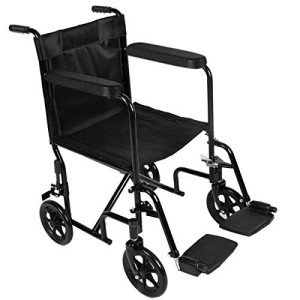
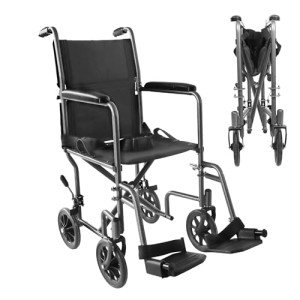
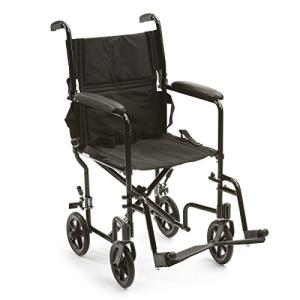
An attendant-pushed wheelchair is specifically designed to be maneuvered by a caregiver rather than the person sitting in the chair. Unlike self-propelled wheelchairs, which feature large rear wheels with hand rims, transit wheelchairs have four smaller wheels. This design makes the chair significantly lighter and more compact, although it does require a second person to facilitate movement.
In the world of mobility equipment, "lightweight" and "steel" are often seen as opposing terms. However, modern engineering has allowed for the creation of high-tensile steel frames that are remarkably thin and light while maintaining the structural integrity and weight capacity required for daily use.
Key Features of Lightweight Steel Transport Chairs
When selecting a mobility aid, understanding the technical nuances is essential. The lightweight folding attendant-pushed steel wheelchair is characterized by several specific design elements:
1. The Folding Mechanism
Most models utilize a "cross-brace" folding system. By pulling up on the seat upholstery, the sides of the frame collapse inward. This reduces the width of the chair to a fraction of its size, allowing it to be stored in narrow hallways, closets, or the trunks of small vehicles.
2. Attendant-Operated Handbrakes
Safety is paramount when a caregiver is navigating slopes or uneven terrain. High-quality steel transport chairs feature handbrakes located on the push handles. This allows the attendant to control the speed of the chair and lock it securely in place during transfers, preventing the chair from rolling away.
3. Durable Steel Construction
While aluminum chairs are common in the "ultra-lightweight" category, steel remains a preferred choice for many due to its durability. Steel frames are less likely to bend under stress and are generally more affordable. To prevent corrosion, these frames are usually powder-coated, which also provides a sleek, professional finish.
4. Swing-Away Footrests
To facilitate safe entry and exit, these wheelchairs feature footrests that can swing to the side or be removed entirely. This prevents the user from tripping over the footplates when standing up.
Technical Specifications Comparison
To better understand how these wheelchairs fit into the broader market, the following table compares a standard steel wheelchair with a lightweight folding steel transport model.
| Feature | Standard Manual Wheelchair | Lightweight Folding Steel Transport Chair |
|---|---|---|
| Primary Propulsion | Self-propelled (Large wheels) | Attendant-pushed (Small wheels) |
| Average Weight | 18kg – 22kg | 11kg – 14kg |
| Rear Wheel Size | 22" – 24" | 8" – 12" |
| Frame Material | Mild Steel | High-Tensile / Lightweight Steel |
| Foldability | Often bulky | Highly compact / Fold-down backrest |
| Typical Use Case | Long-term independent use | Travel, clinical visits, short outings |
| Weight Capacity | 100kg – 120kg | 100kg – 115kg |
The Benefits of Choosing a Steel Transit Wheelchair
While there are many materials and styles to choose from, the steel transit chair offers a unique set of advantages:
Enhanced Maneuverability
Because the rear wheels are smaller, the overall footprint of the wheelchair is reduced. This makes it much easier for an attendant to navigate through tight doorways, narrow store aisles, and crowded elevators. The smaller turning radius is a significant benefit in domestic environments where space is at a premium.
Portability for Travel
The combination of a lightweight frame and a folding backrest makes these chairs the "commuter's choice." Whether heading to a doctor’s appointment or going on a family holiday, these chairs can be loaded into a vehicle with minimal physical strain on the caregiver.
Cost-Effectiveness
Steel is more abundant and easier to manufacture than carbon fiber or high-grade aluminum. Consequently, transit chairs made of steel are often the most budget-friendly option for families who need a reliable mobility solution without a premium price tag.
Stability and Comfort
Despite the focus on weight reduction, these chairs do not compromise on user comfort. Most models include:
- Padded armrests.
- Nylon upholstery that is both breathable and easy to clean.
- Solid, puncture-proof tires that provide a smooth ride on flat surfaces.
Maintenance and Safety Checklist
To ensure the longevity of a steel wheelchair and the safety of the user, regular maintenance is required. Caregivers should adhere to the following checklist:
- Weekly Brake Checks: Ensure the attendant handbrakes engage firmly and lock the wheels without slipping.
- Tire Inspection: Check for wear and tear. Even though most are solid rubber, they can develop flat spots or cracks over time.
- Frame Cleaning: Wipe down the steel frame with a damp cloth to remove salt, dirt, or moisture that could lead to rust.
- Upholstery Check: Look for any sagging or tearing in the seat and backrest, as this can lead to poor posture and discomfort.
- Lubrication: Occasionally apply a silicone-based lubricant to the folding cross-brace and wheel axels to keep the movement smooth.
Who Should Consider This Wheelchair?
The lightweight folding attendant-pushed steel wheelchair is not a "one-size-fits-all" solution, but it is ideal for specific scenarios:
- Seniors with Limited Strength: For elderly individuals who can no longer propel themselves but still wish to go for walks or visit shopping centers.
- Post-Surgical Recovery: Patients recovering from hip, knee, or foot surgeries who need a temporary way to get to appointments.
- Care Facilities and Hospitals: Efficient for transporting patients between wards or to the facility exit.
- Travelers: Families who need a secondary, compact chair that can be kept in the car for occasional use.
Frequently Asked Questions (FAQ)
1. Is a steel wheelchair too heavy to lift into a car?
While "lightweight" is relative, most steel transport chairs weigh between 11kg and 14kg. This is roughly equivalent to a mid-sized suitcase. Most healthy adults can lift this weight, especially when the chair is folded and the footrests are removed to redistribute the weight.
2. Can the user push themselves in this chair?
No. Because the rear wheels are small (usually 8 to 12 inches), there are no hand rims for the user to grip. This chair is purely designed to be pushed by an attendant.
3. Are these chairs suitable for outdoor use?
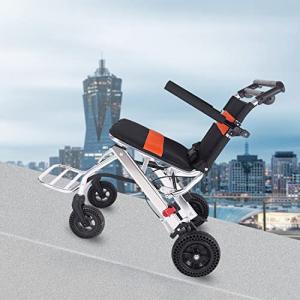
Yes, they perform well on paved surfaces, sidewalks, and indoor flooring. However, because the wheels are smaller and solid, they are not recommended for soft sand, thick mud, or very rocky terrain, as they may become difficult to push.
4. What is the maximum weight capacity?
Most standard lightweight steel transit chairs are designed for users weighing up to 100kg or 115kg. For users exceeding this weight, "heavy-duty" or "bariatric" versions of the steel chair are available with reinforced frames.
5. Does the chair come fully assembled?
Most folding wheelchairs come almost entirely assembled. Typically, the only requirement is to unfold the frame and click the footrests into place—no tools are usually required.
The lightweight folding attendant-pushed steel wheelchair represents a perfect balance between durability and portability. While the industry continues to innovate with new materials, the reliability and affordability of a well-engineered steel frame remain unmatched for many.
By choosing a model that prioritizes safety features like attendant handbrakes and comfort features like padded upholstery, caregivers can ensure that their loved ones remain mobile, comfortable, and connected to the world around them. Whether it’s a quick trip to the pharmacy or a leisurely stroll in the park, the right transport chair makes the journey possible.