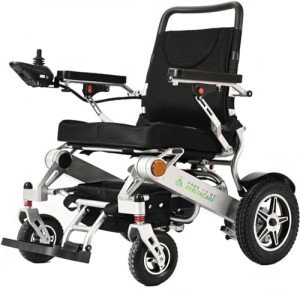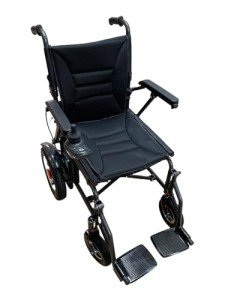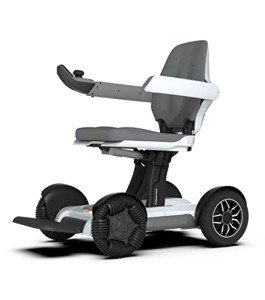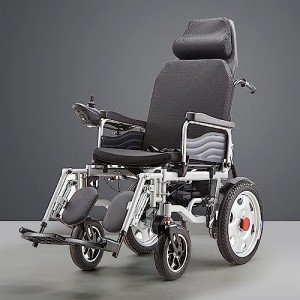

The landscape of personal mobility has undergone a radical transformation over the last decade. For individuals living with limited mobility, the shift from heavy, cumbersome power chairs to sleek, lightweight, and foldable electric wheelchairs represents more than just a technological upgrade—it represents a restoration of independence. Among these innovations, the lightweight folding electric wheelchair equipped with a precision joystick stands out as a pinnacle of modern engineering.
This guide explores the intricate details, benefits, and considerations of these advanced mobility aids, providing a comprehensive overview for those looking to enhance their quality of life or assist a loved one.
What is a Lightweight Folding Electric Wheelchair?
A lightweight folding electric wheelchair is a mobility device designed to provide the power of a traditional electric chair while maintaining the portability of a manual one. Unlike the massive power chairs of the past, which often required specialized vans with hydraulic lifts, these modern alternatives are constructed using high-tech materials such as aviation-grade aluminum alloys or carbon fiber.
The "folding" mechanism is the hallmark of this category. Most models are designed to collapse in a single motion, often in under five seconds, allowing them to fit into the trunk of a standard sedan or even an airplane’s overhead compartment.
The Role of the Joystick Controller
The joystick is the central nervous system of the electric wheelchair. Traditionally, steering a manual wheelchair requires significant upper-body strength and coordination. In contrast, a 360-degree joystick allows the user to control speed, direction, and braking with minimal effort. This is particularly beneficial for individuals with conditions such as arthritis, multiple sclerosis, or limited hand strength, as it requires only light pressure from a single finger or the palm.
Key Features and Specifications
To understand why these devices are becoming the industry standard, it is essential to look at the core components that define them.
Comparative Feature Analysis
The following table outlines the distinguishing features of high-quality lightweight folding electric wheelchairs compared to traditional power chairs.
| Feature | Lightweight Folding Electric Chair | Traditional Heavy Power Chair |
|---|---|---|
| Average Weight | 40 – 65 lbs (18 – 30 kg) | 150 – 300 lbs (68 – 136 kg) |
| Material | Aerospace Aluminum / Carbon Fiber | Steel / Heavy Poly-composites |
| Portability | Folds to fit in car trunks | Requires lifts or ramps |
| Battery Type | Lithium-Ion (Removable) | Lead-Acid (Heavy/Fixed) |
| Travel Suitability | Airline Approved (usually) | Difficult to transport by air |
| Turning Radius | Extremely Tight (approx. 30-33 inches) | Larger (varies by model) |
Why Choose a Joystick-Operated Folding Chair?
The integration of a joystick into a lightweight frame offers several distinct advantages that improve daily living.
1. Seamless Indoor and Outdoor Use
The precision of the joystick allows for a tight turning radius, making it easy to navigate narrow hallways, bathrooms, and crowded elevators. Outside, the dual-motor systems found in many of these chairs provide enough torque to handle grassy paths, gravel, and slight inclines without the user needing to exert any physical force.
2. Ease of Transportation
Because these chairs are lightweight and foldable, they eliminate the need for expensive vehicle modifications. Caregivers can easily lift the chair into a vehicle, and users who travel frequently by air benefit from lithium batteries that are often compliant with IATA and FAA regulations.
3. Energy Conservation
For many users, self-propelling a manual wheelchair is exhausting. By using a joystick-controlled electric model, the user conserves their energy for other activities, reducing fatigue throughout the day and preventing repetitive strain injuries in the shoulders and wrists.
Technical Specifications to Look For
When evaluating different models, several technical metrics determine the performance and reliability of the chair.
| Specification | Standard Range for High-End Models |
|---|---|
| Weight Capacity | 220 lbs to 365 lbs |
| Top Speed | 4 mph to 6 mph |
| Driving Range | 10 miles to 15 miles per charge |
| Motor Type | Dual Brushless DC Motors (200W - 250W each) |
| Wheel Size | 8" Front (Omni) / 12" Rear (Pneumatic or Solid) |
| Charging Time | 4 to 8 hours |
Important Considerations Before Purchasing
Selecting the right wheelchair requires a balance between the user’s physical needs and their lifestyle.
Weight Capacity vs. Chair Weight
While the chair must be light enough to be portable, it must also be sturdy enough to support the user. Most lightweight chairs support up to 265 lbs, though "heavy-duty" lightweight models exist that can support more.
Battery Life and Range
Lithium-ion batteries are preferred for their longevity and light weight. Potential buyers should consider their daily routine; if the user intends to spend all day outdoors, they may want to invest in a chair that allows for "dual battery" setups to double the range.
Safety Features
High-quality chairs should include:
- Electromagnetic Brakes: These automatically stop the chair as soon as the user releases the joystick, even on a slope.
- Anti-tip Wheels: Small wheels at the back that prevent the chair from tipping backward on inclines.
- Safety Belt: To keep the user secure during transit.
Top Benefits of the Modern Electric Joystick
- Precision Control: Users can adjust speed settings (usually 1 through 5) to match their comfort level.
- Visual Feedback: Most modern joysticks feature an LED display showing battery life and current speed.
- Ambidextrous Mounting: The joystick can usually be mounted on either the left or right armrest to accommodate the user's dominant hand.
- Safety Horn: Integrated into the joystick console to alert pedestrians in crowded areas.
Maintenance and Care for Long-Term Durability
To ensure the longevity of a lightweight electric wheelchair, a consistent maintenance schedule is recommended.
- Battery Care: Avoid letting the battery drain to 0%. Charging it after every use helps maintain the chemical health of the lithium cells.
- Joystick Cleaning: Use a damp (not wet) cloth to wipe down the joystick. Ensure no liquids seep into the electronic casing.
- Tire Inspection: Regularly check for wear and tear. Solid tires require less maintenance, while pneumatic tires offer more cushioning but need air pressure checks.
- Folding Points: Periodically check the joints and folding mechanisms for debris or rust. If the chair becomes difficult to fold, a small amount of silicone lubricant can help.
Frequently Asked Questions (FAQ)
Can I take a folding electric wheelchair on an airplane?
Most lightweight folding wheelchairs are designed for travel. However, it depends on the battery. FAA and IATA regulations generally allow lithium-ion batteries up to 300Wh or two batteries of up to 160Wh each. It is always recommended to notify the airline 48 hours in advance.
How do I charge the wheelchair?
Charging is typically done in two ways: through a port on the underside of the joystick or directly into the battery. Many models allow the battery to be removed and charged independently of the chair.
Is it difficult to switch from a manual to an electric chair?
The learning curve is generally very short. The 360-degree joystick is intuitive; pushing forward moves the chair forward, and pulling back acts as a reverse or brake. Most users feel comfortable within 15 to 30 minutes of practice.
Can these chairs handle hills?
Yes, most are designed to handle inclines of up to 6–10 degrees. However, it is important to check the specific slope rating of the model, as steeper inclines can drain the battery faster and may trigger safety shut-offs.
Do I need a special license to drive one?
No. Electric wheelchairs are classified as mobility aids, not motor vehicles. They are permitted on sidewalks, in stores, and in pedestrian areas without any licensing requirements.
The lightweight folding electric wheelchair with joystick control has revolutionized what it means to live with limited mobility. By combining the strength of modern materials with the precision of digital controls, these devices offer a level of freedom that was previously unattainable. Whether it is navigating a local grocery store or embarking on an international vacation, these chairs ensure that the world remains accessible to everyone.
When choosing a model, focusing on weight, safety features, and battery reliability will ensure that the user receives a tool that doesn't just move them from point A to point B, but enhances their independence every step of the way.