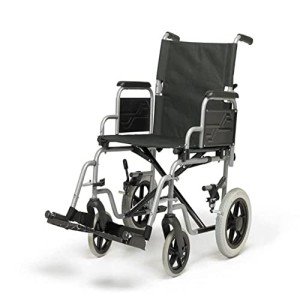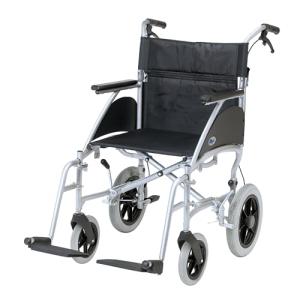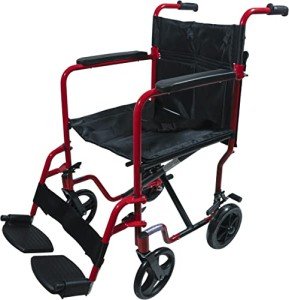





For individuals with limited mobility, the world can sometimes feel like it is shrinking. However, the advancement of assistive technology has birthed a new era of independence through the lightweight folding mobility scooter. Among the various designs available, those equipped with dedicated footrests are increasingly sought after for their ergonomic benefits and enhanced comfort.
This guide explores the intricate details, benefits, and considerations of choosing a lightweight folding mobility scooter with footrests, providing a comprehensive resource for users, caregivers, and families.
The Evolution of Portability: Why Folding Matters
In the past, mobility scooters were often bulky, heavy, and required specialized vehicle lifts for transport. The modern lightweight folding scooter has revolutionized this experience. By utilizing advanced materials such as aircraft-grade aluminum and magnesium alloys, manufacturers have created devices that provide structural integrity without the excessive weight.
The folding mechanism is the centerpiece of these designs. Most models can be collapsed into a compact shape—often the size of a medium suitcase—in under 15 seconds. This allows the scooter to be stored in a car trunk, taken onto public transport, or checked in as luggage on an airplane.
Key Benefits of the Folding Design:
- Space Management: Ideal for those living in apartments or smaller homes where storage space is at a premium.
- Travel Readiness: Most lightweight folding scooters are equipped with lithium-ion batteries that are TSA and airline-approved.
- Ease of Use: Many models feature "one-touch" or remote-controlled folding mechanisms, eliminating the need for physical exertion.
The Role of Footrests in User Comfort
While many focus on the motor or the battery, the footrest is an essential component that directly impacts the user's long-term comfort and safety. A mobility scooter with well-designed footrests ensures that the user’s lower body is properly supported, which is vital for preventing fatigue during extended use.
Ergonomics and Circulation
Sitting for long periods without proper foot support can lead to poor circulation, "pins and needles" sensations, and even joint pain. Footrests allow the user to maintain a 90-degree angle at the knees and hips, promoting a healthy posture.
Safety and Stability
Footrests provide a stable platform for the user’s feet, preventing them from dragging on the ground or getting caught in the wheels. Furthermore, they provide a point of leverage, helping the user feel more secure when navigating uneven terrain or making turns.
Technical Specifications Comparison
When selecting a scooter, it is helpful to understand how different categories of lightweight scooters compare in terms of their physical and technical attributes.
| Feature | Travel-Lite Series | Mid-Range Explorer | Heavy-Duty Portable |
|---|---|---|---|
| Total Weight | 40 – 50 lbs | 55 – 65 lbs | 70 – 85 lbs |
| Weight Capacity | Up to 250 lbs | Up to 300 lbs | Up to 350 lbs |
| Max Speed | 4 mph | 5 mph | 6 mph |
| Travel Range | 10 – 12 miles | 15 – 18 miles | 20+ miles |
| Footrest Type | Fixed Platform | Adjustable/Flip-up | Extended Deck |
| Folding Style | Manual / Tool-free | Automatic / Remote | Fold-and-Roll |
Essential Features to Consider
Choosing the right scooter requires a balance between portability and functionality. Here are the primary features that should be evaluated:
1. Frame Material and Durability
Lightweight does not have to mean fragile. Look for frames made from reinforced aluminum. These frames resist corrosion and provide the necessary strength to handle daily wear and tear.
2. Battery Technology
Lithium-ion batteries are the standard for lightweight scooters. They offer a higher energy density, meaning they provide more power for less weight compared to traditional lead-acid batteries. Always check the "Watt-hour" (Wh) rating to ensure the battery is compliant with airline regulations (typically under 300Wh).
3. Turning Radius
For users who plan to use their scooter indoors—such as in grocery stores or narrow hallways—the turning radius is critical. Three-wheel models typically offer a tighter turning radius, while four-wheel models provide more lateral stability.
4. Footrest Adjustability
Some scooters feature a singular deck, while others have independent, flip-up footrests. Flip-up options are particularly useful for "standing transfers," as they can be moved out of the way to allow the user to plant their feet firmly on the ground when getting on or off the seat.
Primary User Demographics
Who benefits most from a lightweight folding scooter with footrests? While they are versatile, specific groups find them particularly life-changing:
- Frequent Travelers: Individuals who enjoy cruises, flights, and road trips.
- Urban Dwellers: People who navigate paved sidewalks and use elevators and public transit.
- Individuals with Fatigue-Related Conditions: Those with MS, COPD, or heart conditions who can walk short distances but need assistance for longer excursions.
- The Elderly: Seniors looking to maintain an active social life without the strain of walking long distances.
Safety and Maintenance Protocols
To ensure the longevity of a folding mobility scooter and the safety of the driver, certain maintenance steps should be followed regularly.
Maintenance Checklist:
- Tire Inspection: Check for wear and tear. Most lightweight scooters use solid, "flat-free" tires to reduce weight and maintenance.
- Battery Care: Avoid letting the battery drain to 0%. Charge it after every significant use and store it in a cool, dry place.
- Hinge Lubrication: Since these scooters fold, the moving joints should be kept clean of debris and occasionally lubricated as per the manufacturer's instructions.
- Brake Testing: Ensure the electromagnetic braking system engages immediately when the throttle is released.
Comparison of Common Footrest Designs
| Footrest Type | Pros | Cons |
|---|---|---|
| Integrated Floor Deck | Extremely stable; easy to clean. | Not adjustable; can add width to the frame. |
| Flip-Up Footplates | Maximizes space for transfers; adjustable height. | More moving parts; can occasionally rattle. |
| Extended Front Pegs | Ideal for taller users with long legs. | Less support for the entire foot; requires more balance. |
Frequently Asked Questions (FAQ)
1. Can I take a folding mobility scooter on an airplane?
Yes, most lightweight folding scooters are designed for air travel. However, you must ensure the battery is dry-cell or lithium-ion and meets the airline's capacity limits. It is always recommended to notify the airline 48 hours in advance.
2. Is a 3-wheel or 4-wheel scooter better for folding?
Three-wheel scooters are generally lighter and have better maneuverability in tight spaces. Four-wheel scooters are slightly heavier but offer superior stability, which is often preferred for outdoor use on uneven pavement.
3. How much weight can these scooters typically hold?
Most lightweight folding models are designed to support between 250 and 300 pounds. Exceeding the weight limit can strain the motor and reduce the battery range significantly.
4. Are the footrests removable?
In most folding designs, the footrests are integrated or flip up rather than being fully removable. This ensures that parts are not lost during the folding and transport process.
5. Do these scooters work on grass or gravel?
Lightweight scooters are optimized for flat, hard surfaces like pavement, tile, or compact dirt. Because they have smaller wheels to save weight, they may struggle on soft grass, thick carpet, or loose gravel.
The lightweight folding mobility scooter with footrests represents a perfect marriage of form and function. By prioritizing both portability and ergonomic support, these devices allow individuals to reclaim their independence without compromising on physical comfort. Whether it is navigating a local shopping mall or exploring a new city across the globe, the right scooter provides the reliability and ease of use necessary to live life to the fullest. When choosing a model, always consider the balance between the weight of the unit and the specific support features, like footrests, that will ensure a safe and pleasant ride.