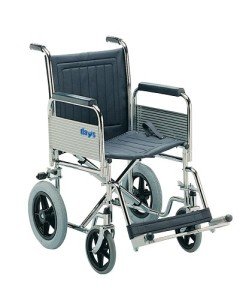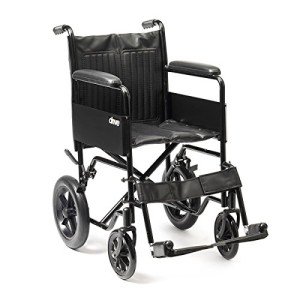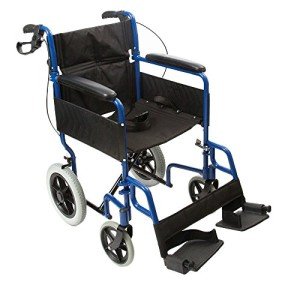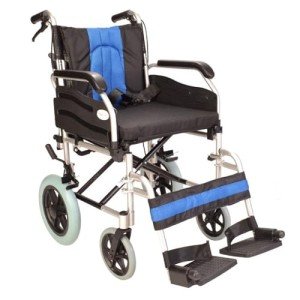


For individuals with limited mobility, the desire to explore new destinations, visit family, or simply enjoy a day trip should not be hindered by bulky, cumbersome equipment. The evolution of assistive technology has led to the development of the lightweight folding portable travel wheelchair—a specialized category of mobility aids designed specifically for transit, storage, and ease of use. This guide explores the features, benefits, and considerations of these innovative devices, providing a comprehensive overview for travelers and caregivers alike.
The Evolution of Travel Mobility
Historically, wheelchairs were heavy, rigid structures that required significant effort to transport. The modern travel wheelchair has revolutionized this experience by prioritizing high-strength materials and ingenious folding mechanisms. Unlike standard manual wheelchairs, which are designed for daily self-propulsion and long-term durability, travel wheelchairs (often referred to as transport chairs) are engineered for portability.
The primary objective of a travel wheelchair is to bridge the gap between functionality and convenience. By reducing the overall weight and allowing the frame to collapse into a compact shape, manufacturers have made it possible for mobility aid users to navigate airports, cruise ships, and narrow city streets with significantly less friction.
Key Features of Lightweight Travel Wheelchairs
Understanding the components that make a wheelchair "travel-friendly" is essential for making an informed purchase. Several key features distinguish these models from traditional mobility devices.
1. Frame Material and Weight
The weight of the chair is the most critical factor. Most travel wheelchairs weigh between 15 and 30 pounds. This is achieved through the use of advanced metallurgy.
- Aluminum: The most common material, offering an excellent balance of strength and lightness.
- Carbon Fiber: The premium choice for ultra-lightweight performance, though often at a higher price point.
- Titanium: Known for its vibration-dampening qualities and high strength-to-weight ratio.
2. Folding Mechanisms
A true travel wheelchair must fold in seconds. Some models use a "side-to-side" X-frame collapse, while others feature a "top-down" fold where the backrest folds flat against the seat. The goal is to achieve a footprint small enough to fit in the trunk of a compact car or an airplane’s overhead bin.
3. Wheel Design
Travel wheelchairs often utilize smaller rear wheels compared to standard wheelchairs. Since these are typically "transport chairs" (designed to be pushed by a companion), the large 24-inch wheels are replaced with 8-inch to 12-inch wheels. This reduces weight and saves space.
4. Swing-Away Footrests and Flip-Up Arms
To facilitate easy transfers into vehicles or restaurant seating, travel wheelchairs often feature detachable or swing-away footrests. Flip-up armrests allow the user to pull up close to tables without obstruction.
Comparison: Standard Wheelchair vs. Travel Wheelchair
The following table highlights the primary differences between a standard daily-use wheelchair and a portable travel model.
| Feature | Standard Wheelchair | Travel/Transport Wheelchair |
|---|---|---|
| Typical Weight | 35 – 50 lbs | 15 – 25 lbs |
| Primary User | Self-propelled or pushed | Pushed by a companion |
| Rear Wheel Size | 22 – 24 inches | 8 – 12 inches |
| Portability | Requires large trunk space | Fits in small trunks/closets |
| Best Use Case | Daily living, long-term use | Vacations, shopping, medical visits |
| Maneuverability | Higher (user-controlled) | Higher (narrower profile) |
Benefits of Choosing a Portable Folding Model
Investing in a lightweight travel wheelchair offers numerous advantages for both the user and the caregiver.
Enhanced Independence for Caregivers
While the user benefits from mobility, the caregiver often bears the physical burden of lifting the chair in and out of vehicles. A lightweight frame significantly reduces the risk of back strain and fatigue during transit.
Seamless Air Travel
The Air Carrier Access Act (ACAA) mandates that airlines allow passengers to bring mobility devices. Lightweight folding chairs are easier to "gate-check," meaning the user can stay in their chair until they reach the aircraft door. Because they fold compactly, there is a lower risk of damage during the loading process compared to heavy, rigid frames.
Versatile Storage
Space is often at a premium in hotel rooms or cruise ship cabins. A folding wheelchair can be tucked away in a corner or under a bed when not in use, keeping the living area clear of obstacles.
List of Essential Accessories for Travel:
- Padded Carry Bag: Protects the frame from scratches during flights.
- Under-Seat Pouch: Provides a secure place for passports, wallets, and medication.
- Cup Holder: A simple but vital addition for staying hydrated while exploring.
- Pressure-Relief Cushion: Enhances comfort for long periods of sitting during tours.
- Oxygen Tank Holder: Essential for users with respiratory requirements.
Technical Specifications: Frame Materials
When selecting a chair, the material of the frame dictates the price, durability, and weight.
| Material | Weight Rank | Durability | Price Range |
|---|---|---|---|
| Steel | Heaviest | High | Budget-Friendly |
| Aluminum | Lightweight | Moderate/High | Mid-Range |
| Titanium | Very Lightweight | Extremely High | Premium |
| Carbon Fiber | Ultralight | High (but brittle) | Luxury/High-End |
Planning a Trip with a Travel Wheelchair
Successful travel requires more than just the right equipment; it requires preparation. When using a lightweight folding wheelchair, travelers should consider the following logistics:
- Terrain Assessment: Travel wheelchairs with small wheels perform best on smooth surfaces like airports and museums. If the destination includes cobblestone streets (common in Europe), a model with slightly larger, "all-terrain" rear wheels should be prioritized.
- Maintenance Check: Before leaving, ensure that all nuts and bolts are tightened, the upholstery is intact, and the brakes are functioning perfectly. A small "travel tool kit" with an Allen wrench and a screwdriver is recommended.
- Airline Communication: Travelers should notify the airline at least 48 hours in advance that they will be traveling with a wheelchair. Even though it is a folding model, the airline needs to log the device in their system.
- Weight Capacity: Always check the manufacturer’s weight limit. Most lightweight travel chairs support between 250 and 300 lbs, but ultra-light models may have lower thresholds.
Frequently Asked Questions (FAQ)
Can a travel wheelchair be self-propelled?
Most lightweight travel wheelchairs are designed as "transport chairs," meaning they have four small wheels and must be pushed by a companion. However, there are "lightweight manual wheelchairs" with larger rear wheels that allow for self-propulsion while still offering a folding frame.
Is it better to gate-check or cabin-store a folding wheelchair?
If the wheelchair is small enough to meet the dimensions of an overhead bin, it can sometimes be stored in the cabin. However, most users prefer to "gate-check" the chair. This allows them to use their own chair right up to the plane door, where it is then taken by staff and returned to the door immediately upon landing.
What is the average cost of a portable travel wheelchair?
Prices vary significantly based on material. Basic aluminum models typically range from £150 to £400. High-performance or carbon fiber models can range from £800 to over £2,000.
Are these chairs comfortable for all-day use?
While travel chairs are designed for portability, many include padded seating and ergonomic backrests. For all-day use, adding a specialized memory foam or gel cushion is highly recommended to prevent pressure sores and increase comfort.
Can travel wheelchairs handle gravel or grass?
Standard travel wheelchairs with 8-inch wheels may struggle on soft or uneven surfaces. If the itinerary includes parks or unpaved paths, look for "all-terrain" transport chairs that feature larger, wider wheels with more treading.
The lightweight folding portable travel wheelchair is more than just a piece of medical equipment; it is a tool for liberation. By stripping away unnecessary weight and focusing on compact design, these chairs allow individuals with mobility challenges to engage with the world on their own terms. Whether it is navigating the narrow aisles of a gift shop or transitioning from a taxi to a terminal, the right travel wheelchair makes the journey as enjoyable as the destination. When choosing a model, it is vital to balance weight, material, and the specific needs of the traveler to ensure a safe and comfortable experience.