

Mobility is a fundamental aspect of independence. For individuals with limited mobility, the right equipment does not just provide a way to move from point A to point B; it offers a sense of autonomy, a connection to the community, and a significant improvement in quality of life. Among the various options available in the mobility market, the lightweight folding self-propel wheelchair with handbrakes has emerged as one of the most versatile and popular choices.
This guide explores the intricate details of these mobility aids, examining why the combination of lightweight materials, self-propulsion capabilities, and secondary handbrakes makes for an ideal solution for many users.
Understanding the Lightweight Folding Self-Propel Wheelchair
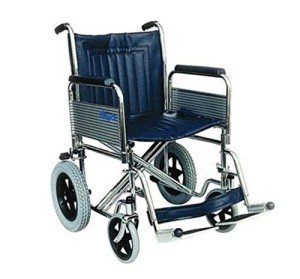
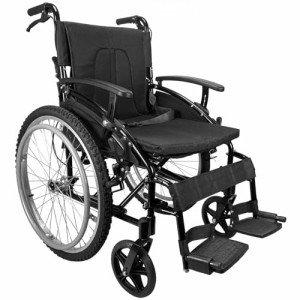
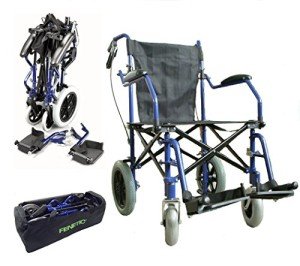
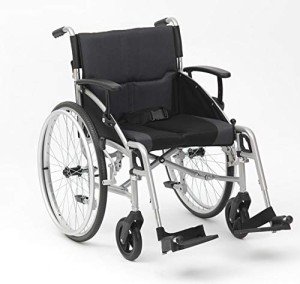
A self-propel wheelchair is characterized by its large rear wheels, which feature "hand rims" that allow the user to turn the wheels themselves. The "lightweight" aspect typically refers to the frame material—usually high-grade aluminum or titanium—while the "folding" mechanism allows the chair to be collapsed for storage or transport.
The addition of handbrakes, specifically attendant brakes located on the push handles, adds a layer of safety and control that traditional self-propel models often lack.
The Significance of Material Construction
Historically, wheelchairs were heavy, cumbersome steel structures. Modern engineering has shifted the focus toward lightweight alloys. An aluminum frame significantly reduces the overall weight of the chair, often bringing it down to between 10kg and 15kg.
Why weight matters:
- Ease of Propulsion: A lighter chair requires less physical effort to move, reducing the risk of shoulder and wrist strain for the user.
- Portability: For caregivers or users who drive, lifting a 12kg chair into a car boot is significantly easier than lifting a 20kg steel alternative.
- Maneuverability: Lightweight chairs respond more quickly to user input, making them easier to navigate in tight indoor spaces.
Technical Specifications Comparison
When selecting a wheelchair, it is helpful to compare the standard specifications found across different tiers of lightweight models.
| Feature | Basic Lightweight Model | Premium Ultra-Lightweight |
|---|---|---|
| Frame Material | Aluminum Alloy | Aircraft-grade Aluminum / Carbon Fiber |
| Typical Weight | 13kg – 15kg | 8kg – 11kg |
| Weight Capacity | Up to 110kg | Up to 135kg+ |
| Wheel Type | Solid PU Tires | Pneumatic or High-Tech Solid |
| Braking System | User Push-Brakes only | User Brakes + Attendant Handbrakes |
| Footrests | Fixed or Swing-away | Removable & Height Adjustable |
| Folding Width | Approx. 30cm | Approx. 25cm |
The Critical Role of Handbrakes
While all self-propel wheelchairs come with manual "push-to-lock" brakes located near the tires, the inclusion of handle-mounted handbrakes (attendant brakes) is a vital feature for safety and versatility.
1. Safety on Inclines
When a wheelchair user is being assisted by an attendant on a downward slope, the weight of the chair plus the user can create significant momentum. Handbrakes allow the attendant to manage the speed effectively, preventing the chair from "runaway" scenarios.
2. Dual-Control Capabilities
The presence of both user brakes and attendant brakes means the chair is effectively a hybrid. It serves the independent user who wants to self-propel in a mall, but also accommodates the caregiver who may need to take over steering and braking during longer outdoor excursions.
3. Parking and Stability
Most modern handbrakes on these models feature a "lock" mechanism. By pulling the lever and clicking a toggle, the attendant can lock the wheels firmly in place, ensuring the chair doesn't move while the user is transferring in or out.
Key Features to Prioritize
When shopping for a lightweight folding self-propel wheelchair, several features distinguish a high-quality model from a generic one.
- Quick-Release Rear Wheels: Many lightweight chairs allow the large rear wheels to be removed with the touch of a button. This reduces the weight even further for lifting and allows the chair to fit into smaller vehicle spaces.
- Half-Folding Backrest: A hinge on the main backrest frame allows the top half to fold down. This is crucial for keeping the folded profile low.
- Puncture-Proof Tires: To minimize maintenance, many users opt for solid Polyurethane (PU) tires. They provide a smooth ride without the risk of a flat tire while outdoors.
- Adjustable Components: Look for height-adjustable footrests and flip-up armrests. Flip-up armrests are particularly useful for "side transfers" from a bed or car seat.
- Breathable Upholstery: Since users may spend several hours a day in the chair, padded, breathable mesh fabrics are preferable to vinyl to prevent overheating and skin irritation.
Benefits of Self-Propulsion for the User
Choosing a self-propel chair over a transit chair (which has four small wheels and requires an attendant) offers several physiological and psychological advantages.
Physical Health
Propelling a wheelchair provides a consistent low-impact upper-body workout. It helps maintain muscle tone in the arms, chest, and shoulders, and improves cardiovascular health. Even if a user cannot propel themselves for long distances, having the option to do so for short bursts maintains a level of physical engagement.
Independence and Mental Well-being
The ability to move independently, even within one’s own home, fosters a sense of agency. It removes the "passive" role of the passenger and allows the individual to decide where they go and at what pace. This autonomy is often linked to lower rates of depression and higher life satisfaction among those with mobility challenges.
Maintenance and Care for Longevity
To ensure the safety and longevity of a lightweight folding wheelchair, a regular maintenance routine is essential.
- Check the Brakes Weekly: Ensure the handbrakes respond immediately when pulled and that the user brakes grip the tires firmly.
- Clean the Axles: Hair and lint can wrap around the wheel axles, causing friction. Periodically remove the wheels (if quick-release) and wipe the axles clean.
- Tire Pressure: If the chair uses pneumatic (air-filled) tires, keep them inflated to the PSI recommended on the sidewall. Under-inflated tires make the chair much harder to push.
- Upholstery Inspection: Check for sagging or tears. If the seat becomes too slack, it can result in poor posture and discomfort.
- Frame Cleaning: Wipe down the aluminum frame with a damp cloth to prevent Grit and salt (from winter roads) from corroding the folding joints.
Who Should Consider This Type of Wheelchair?
This specific configuration—lightweight, folding, self-propel, with handbrakes—is ideal for:
- Active Users: Those who have the upper body strength to propel themselves but require a chair that is easy to transport in a car.
- Part-time Users: Individuals who may only need a chair for long distances or "bad days" (e.g., those with Multiple Sclerosis or Chronic Fatigue Syndrome).
- Multigenerational Families: Where an elderly user might self-propel at home but requires an attendant to help and brake for them during park walks or trips to the doctor.
The lightweight folding self-propel wheelchair with handbrakes represents the pinnacle of modern mobility design. It balances the need for user independence with the necessity of caregiver safety. By utilizing advanced materials like aluminum and incorporating dual-braking systems, these chairs empower users to navigate the world with confidence and ease.
Investing in a high-quality model tailored to the user's specific measurements and lifestyle can lead to years of reliable service and, most importantly, the freedom to explore without limits.
Frequently Asked Questions (FAQ)
1. How do I know if the wheelchair will fit in my car?
Most lightweight folding chairs reduce to a width of about 25-30cm when folded. If the chair has quick-release wheels and a half-folding back, it can usually fit in the boot of a standard hatchback or even the footwell of the back seat. Always check the "folded dimensions" against your car's boot measurements.
2. Can I take a lightweight folding wheelchair on an airplane?
Yes. Most airlines allow wheelchairs to be checked at the gate for free. Because these models are lightweight and fold easily, they are less prone to damage during handling. It is recommended to remove the footrests and seat cushion and take them into the cabin to prevent loss.
3. Is an aluminum frame strong enough for heavier users?
While aluminum is light, it is incredibly strong. Most standard lightweight chairs support up to 110kg (approx. 17 stone). However, "Heavy Duty" or "Bariatric" versions of lightweight chairs are available for users who require a higher weight capacity and a wider seat.
4. Are handbrakes difficult to maintain?
Attendant handbrakes function similarly to bicycle brakes. They involve a cable and a caliper. If they become loose, they can usually be tightened with a simple barrel adjuster on the cable. Most mobility shops can service these in a matter of minutes.
5. Should I choose solid or pneumatic tires?
Solid tires are best for low-maintenance and indoor use on flat surfaces. Pneumatic (air) tires provide better "suspension" and a smoother ride on bumpy pavements or gravel, but they do require a pump and are susceptible to punctures.