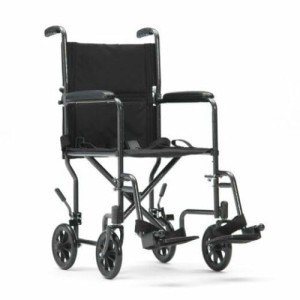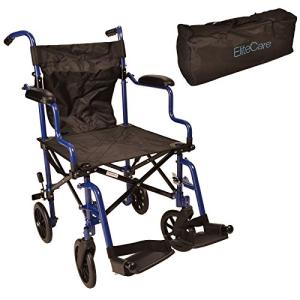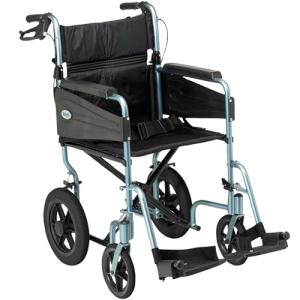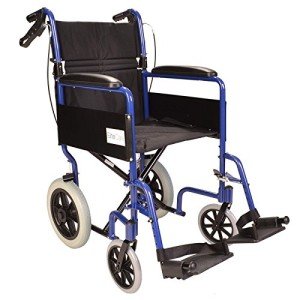





For many adults with limited mobility, the world can sometimes feel smaller than it actually is. However, the evolution of mobility technology has introduced a game-changer: the lightweight folding wheelchair. Specifically designed for travel and portability, these chairs are redefining independence for seniors and individuals with disabilities.
When a wheelchair is "travel-friendly," it isn't just about the total weight. It involves a synergy of compact design, ease of storage, and durability. This guide explores the essential features, benefits, and considerations of lightweight folding wheelchairs, providing a comprehensive resource for those looking to reclaim their wanderlust.
The Shift Toward Lightweight Design
Traditionally, manual wheelchairs were constructed from heavy steel, often weighing between 40 and 50 pounds. While sturdy, these models were difficult to lift into a car trunk or navigate through an airport. Modern lightweight wheelchairs have pivoted toward advanced materials like aerospace-grade aluminum, titanium, and carbon fiber.
These materials allow manufacturers to reduce the weight of the frame to as little as 14 to 25 pounds without compromising structural integrity. For the user and their caregiver, this reduction in weight means less physical strain and greater ease during transitions.
Comparison of Wheelchair Frame Materials
| Material | Weight | Durability | Cost | Best For |
|---|---|---|---|---|
| Steel | Heavy | Exceptional | Low | Short-term home use |
| Aluminum | Lightweight | High | Moderate | General travel & daily use |
| Titanium | Ultra-lightweight | Very High | High | Frequent, active users |
| Carbon Fiber | Lightest | Extreme | Very High | Professional travel & performance |
Key Features of Travel-Friendly Wheelchairs
What distinguishes a standard lightweight chair from one that is truly travel-friendly? It often comes down to the "foldability" and the modularity of the components.
1. Advanced Folding Mechanisms
Most travel-friendly wheelchairs utilize a cross-brace folding system. This allows the seat to collapse inward, bringing the two side frames together. Additionally, many models now feature "fold-down backs," which reduces the vertical height of the chair, making it compact enough to fit in the footwell of a car or a small closet.
2. Quick-Release Wheels
For those with very limited storage space, quick-release axles are a vital feature. With the push of a button, the large rear wheels can be removed. This drastically reduces the weight of the frame for lifting and allows the chair to fit into the overhead bins of some larger aircraft or tight trunk spaces.
3. Compact Dimensions
Travel chairs often have a narrower footprint. While maintaining a comfortable seat width for the user, the overall width is minimized to help navigate narrow hotel doorways, cruise ship corridors, and airplane aisles.
Types of Lightweight Folding Wheelchairs
Choosing the right chair depends heavily on whether the user will be propelling themselves or if they will have a companion to assist them.
Transport Wheelchairs
Transport chairs are designed with four small wheels. Because they lack the large "drive" wheels, they are significantly lighter and more compact. However, they require a caregiver to push the user.
- Pros: Extremely light, fits in small spaces.
- Cons: No independence for the user to move themselves.
Manual Self-Propelled Wheelchairs
These feature the classic large rear wheels with hand rims. Modern versions are built with lightweight alloys to ensure they remain portable.
- Pros: Offers independence; can be used with or without an assistant.
- Cons: Slightly wider and heavier than transport chairs.
Feature Comparison: Transport vs. Manual
| Feature | Transport Wheelchair | Manual Lightweight Wheelchair |
|---|---|---|
| Average Weight | 15–25 lbs | 25–35 lbs |
| Wheel Size | 8"–12" (all four) | 24" (rear), 8" (front) |
| Independence | Requires an attendant | User-propelled |
| Terrain | Best for flat, indoor surfaces | Versatile for indoor/outdoor |
| Folding Size | Very Compact | Moderately Compact |
The Benefits of Using a Travel-friendly Wheelchair
The adoption of a lightweight folding model offers several psychological and physical benefits for adults.
- Ease of Transportation: Whether it’s a taxi, a bus, or a train, a folding chair can be stowed in seconds. This removes the "logistics anxiety" often associated with planning a trip.
- Reduced Caregiver Strain: Lifting a 45-pound chair dozens of times a day can lead to back injuries. A 19-pound aluminum chair significantly mitigates this risk.
- Air Travel Convenience: Most lightweight chairs are eligible for "gate checking." This means the user can stay in their own chair until they reach the aircraft door, and the chair will be waiting for them the moment they disembark.
- Enhanced Maneuverability: Lighter frames are easier to turn and push, requiring less caloric expenditure from the user or the caregiver.
Essential Checklist for Buyers
Before purchasing a lightweight folding wheelchair for travel, users should consider the following factors:
- Weight Capacity: Ensure the chair is rated for the user’s weight. Many lightweight chairs support up to 250 lbs, but heavy-duty travel models are available for higher capacities.
- Seat Width: Standard sizes are 16, 18, and 20 inches. A proper fit is essential for preventing pressure sores during long travel days.
- Armrest Style: "Desk-length" armrests allow the user to pull up close to tables, while "full-length" armrests provide more support for standing up.
- Footrest Type: Swing-away footrests are standard for easy entry and exit. Some travel models offer "tool-free" adjustable heights.
- Braking System: Ensure the chair has easy-to-reach hand brakes. If it is a transport chair, look for hand brakes on the push-handles for the caregiver.
Maintenance for Travel
Travel can be hard on equipment. To ensure a lightweight wheelchair remains functional throughout a journey, a basic maintenance routine is recommended:
- Check the Folding Joint: Ensure the cross-brace is free of debris and well-lubricated.
- Inspect the Tires: Travel-friendly chairs often use "flat-free" polyurethane tires. Check for uneven wear or cracks.
- Tighten Bolts: Vibrations from cobblestone streets or airplane cargo holds can loosen bolts over time.
- Clean the Upholstery: Use moisture-wicking or antimicrobial fabrics if possible, as travel involves varying climates.
FAQ: Frequently Asked Questions
Q: Can I take my lightweight folding wheelchair on an airplane?
A: Yes. Under the Americans with Disabilities Act (ADA) and similar international regulations, airlines must allow you to check your wheelchair for free. Most travelers prefer to "gate check" their folding chair so it is available immediately upon landing.
Q: Is a lightweight chair as durable as a heavy steel chair?
A: Yes, provided it is used within its weight capacity. Materials like aircraft-grade aluminum are designed to be both incredibly strong and flexible, often outlasting cheaper steel counterparts that are prone to rust.
Q: Are folding wheelchairs comfortable for long-term sitting?
A: While folding chairs prioritize portability, comfort can be enhanced with pressure-relieving cushions. If the user plans to spend more than 2-3 hours a day in the chair, investing in a high-quality gel or foam cushion is highly recommended.
Q: What is the difference between a "lightweight" and "ultra-lightweight" wheelchair?
A: Generally, "lightweight" refers to chairs between 25 and 34 pounds. "Ultra-lightweight" chairs are typically under 25 pounds and often feature more customizable options and higher-end materials like titanium.
A lightweight folding wheelchair is more than just a piece of medical equipment; it is a tool for liberation. By prioritizing portability and ease of use, these chairs allow adults to maintain an active lifestyle, whether that involves a trip to the local grocery store or a flight across the globe. By understanding materials, folding mechanisms, and specific travel needs, users can find the perfect balance between comfort and convenience, ensuring that no destination is out of reach.