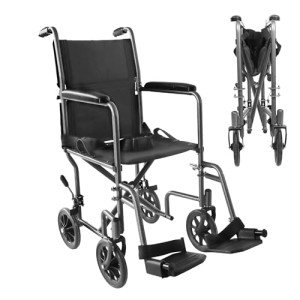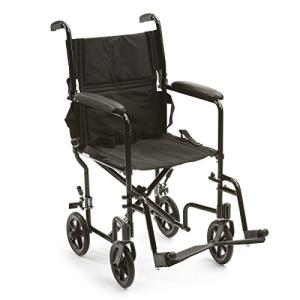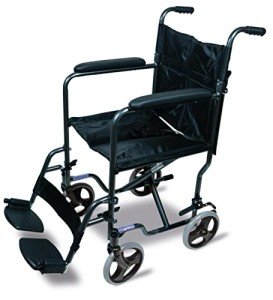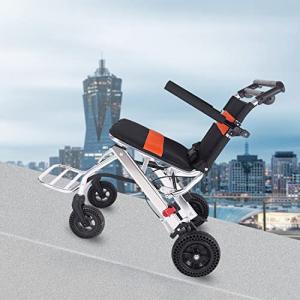

Mobility is a fundamental aspect of independence and quality of life. For individuals with limited mobility, whether due to age, injury, or chronic conditions, the right equipment can make the difference between isolation and active participation in society. Traditionally, wheelchairs were heavy, cumbersome, and difficult to transport. However, modern engineering has introduced the lightweight portable folding wheelchair with brakes—a solution designed to prioritize both convenience and safety.
This guide explores the intricate details of these mobility aids, examining their features, the critical role of braking systems, and the factors to consider when selecting the ideal model.
The Evolution of Manual Wheelchairs
The transition from heavy steel frames to lightweight materials has revolutionized the mobility industry. Standard wheelchairs often weigh upwards of 40 pounds, making them difficult for caregivers to lift or for users to propel over long distances. In contrast, lightweight portable models typically utilize advanced alloys, significantly reducing weight without compromising structural integrity.
Key Materials Used in Construction
| Material | Average Weight | Durability | Best For |
|---|---|---|---|
| Steel | 35+ lbs | High | Occasional indoor use, budget-friendly options. |
| Aluminum Alloy | 19 - 30 lbs | Moderate to High | Daily travel, frequent transport in vehicles. |
| Carbon Fiber | 15 - 20 lbs | Extremely High | Active users requiring the lightest possible frame. |
| Titanium | 18 - 25 lbs | Extremely High | Long-term use with superior vibration dampening. |
Essential Features of Portable Folding Wheelchairs
A lightweight portable folding wheelchair is defined by more than just its weight. It is the synergy of design elements that makes it "portable." These models are specifically engineered to offer a seamless experience for both the user and the companion.
1. The Folding Mechanism
Most portable wheelchairs feature a "cross-brace" or "X-frame" design. This allows the seat to collapse inward, bringing the two side frames together. High-end portable models may also feature quick-release wheels and folding backrests, reducing the chair to the size of a large suitcase for easy storage in car trunks or overhead airplane compartments.
2. Compact Dimensions
To ensure maneuverability in tight spaces like narrow hallways or crowded cafes, portable chairs are designed with a smaller footprint. Despite their compact nature, they maintain ergonomic seating to ensure user comfort.
3. Specialized Braking Systems
Safety is paramount, and the integration of brakes—both for the user and the caregiver—is a hallmark of these modern chairs. While standard wheelchairs have manual wheel locks, portable versions often include "united brakes" or "hand brakes" located on the push handles.
The Importance of Integrated Braking Systems
When discussing lightweight wheelchairs, the braking system is a critical safety component. Because these chairs are lighter, they can be more susceptible to movement on uneven surfaces if not properly secured.
Types of Brakes Found in Portable Wheelchairs
- Push-to-Lock Brakes: These are the traditional brakes located near the tires. The user pushes a lever to lock the wheels in place.
- Pull-to-Lock Brakes: Similar to push-to-lock, but the mechanism is engaged by pulling toward the user.
- Caregiver Hand Brakes (United Brakes): These are located on the handles used by the person pushing the chair. Similar to bicycle brakes, they allow the caregiver to control the speed of the wheelchair on inclines and lock the wheels when stopped.
- Toggle Brakes: These provide a secure lock and are often designed with extensions for users with limited hand strength.
Why Brakes Matter for Portable Chairs
- Safety on Inclines: When navigating ramps or hills, the ability to slow the chair down prevents it from gaining too much momentum.
- Stable Transfers: Locking the wheels is essential when a user is moving from the wheelchair to a bed, car, or toilet to prevent the chair from sliding away.
- Transit Security: In public transport environments, secure brakes ensure the chair remains stationary during movement.
Technical Specifications: What to Expect
When shopping for a lightweight portable folding wheelchair, understanding the technical specifications is vital for ensuring the chair fits the user's body type and lifestyle.
| Feature | Standard Range |
|---|---|
| Total Weight | 18 lbs – 25 lbs |
| Weight Capacity | 220 lbs – 300 lbs |
| Seat Width | 16", 18", or 20" |
| Wheel Size (Front) | 6" – 8" (Solid PVC) |
| Wheel Size (Rear) | 12" (Transport) or 24" (Self-propelled) |
| Folded Width | 10" – 13" |
Benefits of Choosing a Lightweight Folding Model
There are several advantages to selecting a lightweight model over a traditional heavy-duty wheelchair.
For the User:
- Reduced Fatigue: If the chair is self-propelled, a lighter frame requires less effort to move, preserving the user’s energy for daily tasks.
- Access to More Locations: The slim profile allows users to navigate through standard-sized doorways and small elevators more easily.
- Increased Independence: The ease of folding allows users with some upper-body strength to manage their own equipment when traveling.
For the Caregiver:
- Ease of Transport: Lifting a 20-pound chair into a SUV or car trunk is significantly safer for the caregiver’s back than lifting a 40-pound chair.
- Improved Control: Caregiver hand brakes provide a sense of security, especially when navigating crowded environments or steep outdoor paths.
- Compact Storage: These chairs can be tucked away in a closet or behind a door when not in use.
Factors to Consider Before Purchasing
Selecting a wheelchair is a personalized process. One must consider the physical needs of the user as well as the environments where the chair will be used most frequently.
1. Wheel Type: Transit vs. Self-Propelled
- Transit Wheelchairs: These have four small wheels and require a caregiver to push. They are the most lightweight and portable.
- Self-Propelled Wheelchairs: These have large rear wheels with handrims. While slightly heavier, they allow the user to move independently.
2. Terrain Compatibility
Solid tires are puncture-proof and excellent for smooth indoor surfaces or paved sidewalks. However, if the chair will be used on gravel or grass, one should look for models with slightly larger front casters and better shock absorption.
3. Comfort and Ergonomics
Lightweight doesn't have to mean uncomfortable. Look for chairs with:
- Padded armrests (fixed or flip-up).
- Breathable upholstery or "bee-hole" mesh fabric.
- Swing-away footrests for easier entry and exit.
Maintenance for Longevity
To ensure the safety and longevity of a lightweight folding wheelchair, regular maintenance is required. Because many of these chairs are used for travel, they are often exposed to dirt, moisture, and vibrations.
- Check the Brakes Weekly: Ensure the locking mechanism is tight and that the brakes engage the tire surface evenly.
- Tighten Bolts: Periodic vibrations from travel can loosen nuts and bolts. A quick monthly check with an Allen wrench is recommended.
- Clean the Axles: Hair and lint can get caught in the wheel axles, causing resistance. Cleaning these regularly ensures a smooth roll.
- Inspect the Folding Joint: Ensure the cross-brace moves freely and apply a small amount of silicone lubricant if the folding action becomes stiff.
Frequently Asked Questions (FAQ)
Q: Can a lightweight portable wheelchair be taken on an airplane?A: Yes. Most airlines allow wheelchairs to be checked at the gate for free. Because these chairs fold compactly, they are less likely to be damaged in transit. Some ultra-light models may even fit in the overhead bin if they meet size requirements.
Q: What is the difference between a transport chair and a lightweight wheelchair?A: A transport chair always has four small wheels and requires a companion to push. A lightweight wheelchair can have large rear wheels for self-propelling. Both can be portable and folding.
Q: Are lightweight wheelchairs as durable as heavy steel ones?A: While they may feel "lighter," aluminum and carbon fiber chairs are designed to be extremely strong. As long as the user stays within the specified weight capacity, these chairs are built for long-term durability.
Q: How do I know which seat width is correct?A: Measure the user's hips in a seated position. A standard guideline is to add 1 to 2 inches to that measurement to allow for comfortable movement and clothing. Most adults fit perfectly in an 18-inch seat.
The lightweight portable folding wheelchair with brakes represents a significant leap forward in mobility design. By balancing the need for a reduced physical load with the necessity of safety and control, these devices empower individuals to maintain their freedom. Whether it is a trip to the local grocery store or an international vacation, the right portable chair ensures that the world remains accessible to everyone, regardless of their physical limitations. When choosing a model, focus on the quality of the braking system, the ease of the folding mechanism, and the comfort of the user to find a solution that will serve faithfully for years to come.