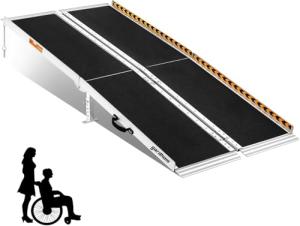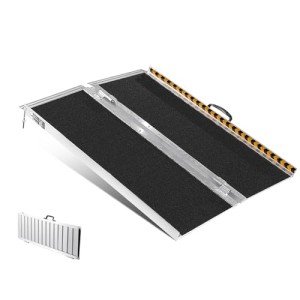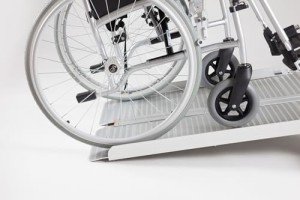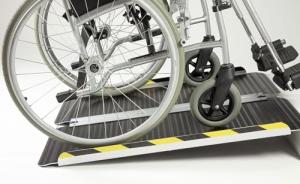





In an era where inclusivity and accessibility are paramount, the tools used to bridge the gap between architectural barriers and mobility are more important than ever. One of the most versatile and essential tools in this category is the portable folding aluminum wheelchair ramp. Designed to provide a safe and reliable transition over steps, curbs, and into vehicles, these ramps offer a lifeline for individuals using wheelchairs, power chairs, or scooters.
This post explores the design, utility, and selection process for portable folding aluminum ramps, highlighting why they remain the industry standard for temporary and semi-permanent accessibility solutions.
The Versatility of Aluminum in Mobility Solutions
Aluminum has long been the preferred material for portable ramps due to its unique physical properties. It offers a high strength-to-weight ratio, which is critical for equipment that must be carried by hand while supporting hundreds of pounds. Unlike steel, aluminum is naturally resistant to corrosion and rust, making it suitable for both indoor and outdoor environments.
Portable folding ramps are typically engineered with high-grade aircraft aluminum. This ensures that the ramp can withstand heavy daily use without warping or degrading, even when exposed to rain, snow, or extreme temperature fluctuations.
Key Features of Folding Wheelchair Ramps
Modern portable ramps are designed with several integrated safety and convenience features:
- Folding Design: Most models feature a side-by-side folding mechanism, often referred to as a "briefcase fold." This allows the ramp to be halved in width, making it easier to store in a trunk or closet.
- High-Traction Surfaces: To prevent slipping, the surface of these ramps usually features a high-traction grit coating or a serrated punch pattern. This ensures that rubber tires can maintain grip even in wet conditions.
- Safety Side Rails: Low-profile curbs on either side of the ramp prevent the wheels of a wheelchair or scooter from accidentally rolling off the edge.
- Transition Plates: Flexible plates at the top and bottom of the ramp ensure a smooth transition from the ramp to the landing surface, minimizing the "bump" that can be jarring for users.
- Integrated Carrying Handles: Ergonomic handles are typically built into the side of the ramp, allowing it to be carried like a suitcase once folded.
Understanding Size Variations and Technical Specifications
Choosing the correct size is the most critical step in purchasing a portable ramp. Ramps are measured by their total length, which determines the steepness of the incline. Using a ramp that is too short for a specific height can result in a dangerously steep slope that is difficult to navigate.
The following table provides a general overview of the specifications for various common sizes of portable folding aluminum ramps:
Table 1: Technical Specifications by Size
| Length | Opened Width | Folded Width | Weight Capacity | Approximate Weight | Recommended Use |
|---|---|---|---|---|---|
| 2 Feet | 30 Inches | 15 Inches | 600 - 800 lbs | 10 - 12 lbs | Thresholds, single curbs |
| 3 Feet | 30 Inches | 15 Inches | 600 - 800 lbs | 15 - 18 lbs | 1-2 small steps |
| 4 Feet | 29 - 31 Inches | 15 Inches | 600 - 800 lbs | 20 - 24 lbs | Low porches, van side doors |
| 5 Feet | 29 - 31 Inches | 15 Inches | 600 lbs | 26 - 30 lbs | 2 steps, SUV loading |
| 6 Feet | 29 - 31 Inches | 15 Inches | 600 lbs | 32 - 36 lbs | 3 steps, small staircases |
| 8 Feet | 29 - 31 Inches | 15 Inches | 600 lbs | 45 - 52 lbs | 4 steps, higher vehicle lifts |
| 10 Feet | 29 - 31 Inches | 15 Inches | 500 - 600 lbs | 60 - 70 lbs | Multi-step entrances |
Calculating the Correct Ramp Length
To determine the ideal ramp length, it is necessary to measure the "rise"—the vertical height from the ground to the top of the step or landing. Accessibility standards, such as those set by the ADA (Americans with Disabilities Act), generally recommend a 1:12 slope for public spaces (1 foot of ramp for every 1 inch of rise). However, for residential use with power chairs or with an assistant, a slightly steeper 1:6 or 2:12 ratio may be acceptable.
Table 2: Recommended Ramp Length Based on Rise Height
| Total Rise (Height) | Commercial/Independent (1:12) | Residential/Assisted (1:6) |
|---|---|---|
| 3 Inches | 3 Foot Ramp | 2 Foot Ramp |
| 6 Inches | 6 Foot Ramp | 3 or 4 Foot Ramp |
| 9 Inches | 9 Foot Ramp | 5 or 6 Foot Ramp |
| 12 Inches (1 Step) | 12 Foot Ramp | 6 or 8 Foot Ramp |
| 18 Inches (2-3 Steps) | 18 Foot Ramp* | 10 Foot Ramp |
*Note: Lengths over 10 feet are often achieved by combining ramps or using modular systems.
Common Applications for Portable Ramps
The portability of these aluminum structures allows them to be used in a variety of settings:
- Residential Accessibility: Many older homes have one or two steps leading to the front door. A 3-foot or 5-foot folding ramp can be deployed when needed and stored when not in use, maintaining the home's aesthetic.
- Vehicle Access: Loading a wheelchair or scooter into a van or SUV can be physically demanding. Folding ramps provide a stable path for either driving the chair into the vehicle or pushing it manually.
- Commercial Temporary Use: Small businesses that may not have permanent ramps can keep a portable folding ramp on-site to accommodate customers with mobility needs, ensuring compliance with local accessibility goals.
- Travel and Visiting: Because they are lightweight and fold down, these ramps can be taken in the car when visiting friends or family whose homes may not be wheelchair accessible.
Safety Considerations and Setup
While portable folding aluminum ramps are designed for safety, proper setup is essential to prevent accidents.
Best Practices for Setup:
- Check the Surface: Ensure the ground where the ramp sits is level and stable. Avoid placing the ramp on loose gravel or ice.
- Engage Safety Pins: Many ramps come with safety pins or holes to secure the top of the ramp to the landing. This prevents the ramp from sliding backward as the wheelchair ascends.
- Observe Weight Limits: Never exceed the rated weight capacity, which includes the weight of the wheelchair plus the weight of the user and any oxygen tanks or bags attached to the chair.
- Center the Load: Always drive or push the wheelchair up the center of the ramp to maintain balanced weight distribution over the aluminum hinges.
Maintenance of Aluminum Ramps
To ensure the longevity of a folding ramp, a few simple maintenance steps should be followed:
- Cleaning: Regularly wash the ramp with mild soap and water to remove dirt, salt, or mud that could decrease traction.
- Hinge Lubrication: Periodically apply a dry silicone lubricant to the folding hinges to keep the folding mechanism smooth.
- Inspection: Regularly check for loose rivets, worn-out grip tape, or any signs of structural bending.
Frequently Asked Questions (FAQ)
Q: Can these ramps be left outside permanently?A: Yes, because they are made of aluminum, they are weather-resistant. However, it is recommended to bring them inside during extreme weather or when not in use to prolong the life of the non-slip surface and prevent theft.
Q: How do I know if my wheelchair is too wide for the ramp?A: Most portable folding ramps have a standard width of 29 to 30 inches. It is important to measure the outermost distance between the wheels of the wheelchair. Most standard wheelchairs are about 24–26 inches wide, fitting easily on these ramps.
Q: Are these ramps suitable for power scooters?A: Generally, yes. However, users should check the "ground clearance" of the scooter. If the scooter is very low to the ground, the center may scrape at the top of the ramp if the incline is too steep. A longer ramp can reduce this angle.
Q: What is the difference between a single-fold and a multi-fold ramp?A: A single-fold ramp folds once down the middle like a book. A multi-fold ramp (or tri-fold) folds both lengthwise and widthwise, resulting in a more compact package for very long ramps (8–10 feet).
Portable folding aluminum wheelchair ramps are an indispensable tool for achieving mobility and independence. By combining the strength of lightweight aluminum with a practical folding design, these ramps provide a flexible solution for overcoming physical barriers in almost any environment. By carefully measuring the rise height and selecting the appropriate size and weight capacity, users can ensure a safe, smooth, and reliable transition every time.