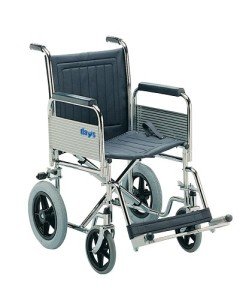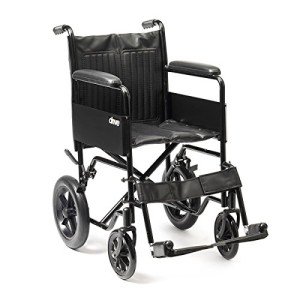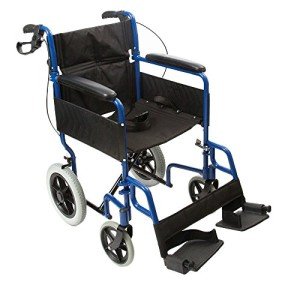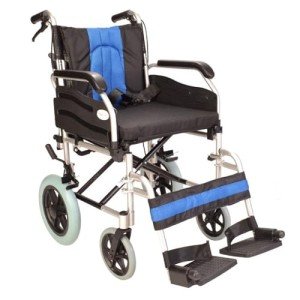

Mobility technology has undergone a significant transformation over the last decade. For many individuals with limited mobility and their caregivers, the primary goal is to find equipment that balances safety, comfort, and portability. Among the most innovative solutions in the modern market is the ultra-lightweight folding transit wheelchair equipped with attendant handbrakes.
Unlike traditional self-propelled wheelchairs with large rear wheels, transit wheelchairs (also known as transport chairs) are designed to be pushed by a caregiver or companion. When these chairs are constructed from ultra-lightweight materials and feature a compact folding design, they become an essential tool for travel, medical appointments, and daily outings. This guide explores the features, benefits, and technical specifications of these high-performance mobility aids.
Defining the Ultra-Lightweight Transit Wheelchair
A transit wheelchair is characterized by its four smaller wheels, which differentiate it from standard wheelchairs that have two large wheels for manual self-propulsion. The "ultra-lightweight" designation typically refers to chairs made from high-grade aluminum or magnesium alloys, often weighing between 19 and 25 pounds (8.6 to 11.3 kg).
The addition of handbrakes—specifically attendant-operated brakes located on the push handles—adds a critical layer of safety. These allow the person pushing the chair to control the speed on inclines and lock the wheels securely during passenger transfers.
Key Components of the Ultra-Lightweight Design
- Frame Material: Most premium models utilize aircraft-grade aluminum. This provides high tensile strength without the heavy weight associated with steel.
- Cross-Brace Mechanism: A folding "X" frame allows the chair to collapse side-to-side, making it thin enough to fit into most car trunks or storage closets.
- Attendant Handbrakes: These are cable-operated systems similar to bicycle brakes, offering modulated stopping power rather than just "on/off" parking locks.
- Compact Wheels: Solid, puncture-proof tires (usually 8 to 12 inches in the rear) reduce maintenance needs and contribute to the overall weight reduction.
Technical Specifications Comparison
When selecting an ultra-lightweight transit wheelchair, it is helpful to understand how different materials and designs impact the overall weight and capacity of the device.
Table 1: Material and Weight Comparison
| Feature | Standard Steel Transit Chair | Lightweight Aluminum Chair | Ultra-Lightweight Magnesium/Premium Alloy |
|---|---|---|---|
| Total Weight | 35 - 45 lbs | 26 - 32 lbs | 18 - 25 lbs |
| Weight Capacity | 250 lbs | 250 - 300 lbs | Up to 300 lbs |
| Portability | Difficult; bulky | Moderate; manageable | High; easy to lift |
| Durability | High/Heavy | High/Corrosion-resistant | Exceptional/Vibration-damping |
| Price Point | Budget-friendly | Mid-range | Premium |
The Critical Role of Handbrakes
For a transit wheelchair, the braking system is perhaps the most important safety feature for the caregiver. Because the user is not controlling the chair, the caregiver must have absolute authority over its movement.
Advantages of Attendant Handbrakes
- Controlled Descent: When navigating ramps or sloped sidewalks, the attendant can lightly squeeze the brakes to prevent the chair from gaining too much momentum. This prevents the "runaway" sensation that can occur with heavy loads.
- Stationary Security: Most handbrakes include a "locking" loop or lever. This ensures the chair remains stationary while the user is sitting down or standing up, preventing accidental rolling that could lead to falls.
- Ergonomics: Traditional manual brakes are located near the wheels, requiring the caregiver to bend over to reach them. Handle-mounted handbrakes allow for an upright posture, reducing back strain for the assistant.
Benefits of the Folding Mechanism
The ability to fold a wheelchair is not merely a convenience; for many families, it is a necessity for maintaining an active lifestyle. An ultra-lightweight folding transit wheelchair can typically be collapsed in seconds.
The Ease of Transport and Storage
- Vehicle Compatibility: These chairs are designed to fit into the trunks of compact cars, eliminating the need for expensive vehicle lifts or specialized vans.
- Air Travel: Most airlines allow transit wheelchairs to be checked at the gate. The lightweight nature ensures they are under the weight limits for easy handling by airport staff.
- Home Management: For those living in smaller apartments, a folding chair can be tucked behind a door or under a bed when not in use, keeping living spaces clutter-free.
User and Caregiver Comfort Features
While weight and portability are technical priorities, the comfort of the occupant remains paramount. Modern designs incorporate several features to ensure long-term usability.
Essential Comfort and Utility Features
- Padded Upholstery: High-quality ultra-lightweight chairs use breathable nylon or reinforced mesh to prevent heat buildup and provide cushioned support.
- Swing-Away Footrests: Footrests that can be swung to the side or removed altogether make it much easier for the user to transition in and out of the seat without tripping.
- Flip-Up Armrests: This feature allows for "side transfers" and lets the user sit closer to dining tables or desks.
- Storage Pouches: Many chairs include a pocket on the backrest for carrying small personal items, medical documents, or a water bottle.
Choosing the Right Size
One size does not fit all in the world of mobility. It is essential to match the wheelchair dimensions to the user's body type to ensure comfort and prevent pressure sores.
Table 2: Choosing the Correct Seat Width
| Seat Width | Description | Appropriate For |
|---|---|---|
| 16 Inches | Narrow/Small | Children, teenagers, or very petite adults. |
| 18 Inches | Standard/Medium | The average adult up to approximately 200 lbs. |
| 20 Inches | Wide/Large | Larger-framed adults (ensure weight capacity matches). |
| 22+ Inches | Heavy Duty (Bariatric) | Users requiring reinforced frames and extra space. |
Maintenance and Safety Tips
To ensure the longevity of an ultra-lightweight wheelchair, regular maintenance is required. Because components are designed to be thin and light, they can be sensitive to wear if neglected.
- Check Tire Pressure/Wear: Even solid tires can wear down or become loose. Inspect the treads monthly for signs of uneven wear.
- Test the Brakes: Cable-actuated handbrakes may stretch over time. Ensure the brakes engage fully and lock the wheels without requiring excessive force.
- Clean the Folding Joints: Dirt and debris can get into the "X" frame mechanism, making it difficult to fold. Wipe the frame down with a damp cloth and periodically apply a silicone-based lubricant to moving parts.
- Inspect Fasteners: Vibrations from moving over uneven surfaces can loosen bolts. A quick check with an Allen wrench every few months can prevent structural issues.
Frequently Asked Questions (FAQ)
1. Does insurance usually cover ultra-lightweight transit wheelchairs?
In many cases, basic transport chairs are covered if they are deemed medically necessary. However, "ultra-lightweight" models are often considered a "luxury" or "convenience" upgrade. It is best to check with your provider regarding their specific criteria for HCPCS codes (usually K0004 or E1038).
2. Can the user push themselves in a transit wheelchair?
Generally, no. Because the rear wheels are small (usually 8" or 12"), the user cannot reach them to propel the chair. These are strictly designed for use with an attendant.
3. Are these chairs suitable for outdoor use?
Yes, they are suitable for paved paths, sidewalks, and shopping centers. However, due to their small wheels, they may struggle on soft grass, thick gravel, or very uneven terrain compared to a wheelchair with large pneumatic tires.
4. What is the difference between a "transport chair" and a "transit wheelchair"?
The terms are used interchangeably. Both refer to a wheelchair with four small wheels that requires an attendant to push.
5. How long do these wheelchairs typically last?
With proper maintenance, a high-quality aluminum transit wheelchair should last 3 to 5 years of regular use. The frame usually outlasts the upholstery and tires.
The ultra-lightweight folding transit wheelchair with handbrakes represents a perfect intersection of engineering and caregiving needs. By prioritizing light materials like aluminum and magnesium, and focusing on the safety provided by attendant brakes, manufacturers have created a tool that drastically reduces the physical burden on both the user and the helper.
Whether it is for navigating a busy airport, visiting a local park, or simply managing appointments, these wheelchairs offer a level of freedom and security that traditional heavy chairs cannot match. When choosing a model, prioritize a balance of seat comfort, weight capacity, and ease of folding to ensure the best possible experience for everyone involved.