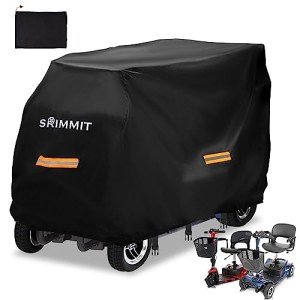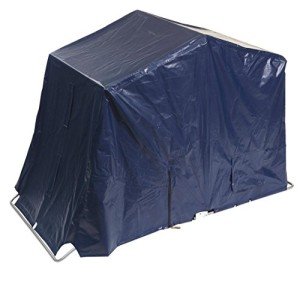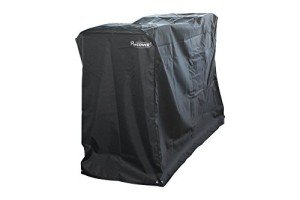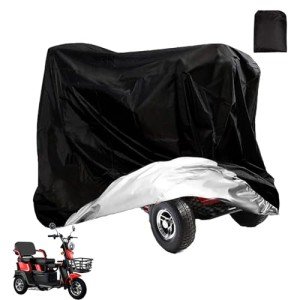

For individuals who rely on mobility scooters for daily transportation and independence, the comfort and longevity of the vehicle are of paramount importance. Among the various components of a mobility scooter, the seat is perhaps the most susceptible to wear, tear, and environmental damage. Exposure to rain, sleet, and intense sunlight can quickly degrade the upholstery, leading to costly repairs or replacements.
The implementation of a waterproof black seat cover is an effective, affordable solution to preserve the integrity of the scooter. This guide explores the benefits, technical features, and maintenance requirements of these essential accessories, providing a comprehensive guide for owners and caregivers.
The Importance of Seat Protection
Mobility scooters are designed for outdoor use, but their original seating surfaces—often made of vinyl or synthetic leather—are not always equipped to handle prolonged exposure to harsh elements. A high-quality waterproof cover acts as a primary defense mechanism.
Weather Resistance
Rain and moisture are the primary enemies of foam-filled cushions. Once water penetrates the outer layer of a seat, it can become trapped in the foam, leading to the growth of mold, mildew, and unpleasant odors. Over time, moisture causes the internal structure of the seat to break down, resulting in a loss of support. A waterproof cover ensures that water beads off the surface, keeping the underlying material dry and hygienic.
UV Protection
While the "waterproof" aspect handles the rain, the "black" aspect of the seat cover often involves materials treated with UV inhibitors. Direct sunlight can cause synthetic materials to become brittle and crack. By utilizing a heavy-duty cover, the original seat remains shielded from the sun’s rays, maintaining its flexibility and aesthetic appeal.
Why Choose Black?
Selecting a color for a mobility scooter accessory might seem purely aesthetic, but the choice of black offers several practical advantages for the user.
- Stain Concealment: Mobility scooters are used in various environments, from parks to shopping centers. Spills, dirt, and oil marks are less visible on a black surface compared to lighter colors like grey or tan.
- Sleek Aesthetics: Black is a universal color that complements almost every scooter model and frame color, providing a professional and clean appearance.
- Heat Absorption in Winter: In cooler climates, black material absorbs heat from the sun, which can provide a slightly warmer seating surface during winter outings.
- Availability: Because black is the most popular color for industrial-grade protective fabrics, these covers are often more readily available and more affordably priced than custom colors.
Key Features of High-Quality Seat Covers
When researching waterproof seat covers, it is important to look beyond just the color. The construction and material specifications dictate how well the cover will perform over time.
Material Comparison Table
The following table highlights the common materials used in the manufacturing of mobility scooter seat covers:
| Material Type | Durability | Waterproof Rating | Breathability | Best Use Case |
|---|---|---|---|---|
| Oxford Polyester (600D) | Very High | Excellent | Low | Heavy-duty outdoor protection |
| Nylon with PVC Backing | High | Excellent | Very Low | Maximum rain protection |
| Treated Canvas | Moderate | Good | Moderate | General use in milder climates |
| Vinylon | High | Superior | Low | Extreme weather conditions |
Elastication and Fitment
A cover is only effective if it stays in place. Quality covers feature heavy-duty elasticated hems that "wrap" around the base of the seat. This prevents the wind from catching the cover and ensures that the entire surface area, including the sides and back, remains protected. Some premium models also include adjustable drawstrings or Velcro straps for a more tailored fit on non-standard seat shapes.
Benefits of Using a Waterproof Seat Cover
The advantages of investing in a waterproof black seat cover extend beyond simple weather protection.
- Extended Lifespan: By preventing the degradation of the original upholstery, the cover significantly extends the overall life of the mobility scooter.
- Enhanced Resale Value: A scooter with a pristine original seat will command a much higher price on the secondary market compared to one with cracked or faded vinyl.
- Ease of Cleaning: Most waterproof covers can be wiped down with a damp cloth or even machine-washed, making it much easier to maintain hygiene than cleaning the actual seat cushions.
- Comfort: Many waterproof covers feature a slightly textured surface that prevents the user from "sliding" around, which can sometimes happen on standard smooth vinyl seats during humid weather.
Installation and Maintenance
Proper installation and regular care are necessary to maximize the utility of the seat cover.
How to Install the Cover
- Clean the Original Seat: Before fitting the cover, ensure the original seat is dry and free of debris to prevent scratching or trapping moisture.
- Positioning: Drape the cover over the top of the backrest first, then pull it down toward the seat base.
- Securing: Stretch the elasticated edges over the corners of the seat base. If the cover has drawstrings, pull them taut and tie them securely underneath the seat frame.
- Adjustment: Smooth out any wrinkles to ensure a flat sitting surface, which helps prevent pressure points for the user.
Cleaning Guidelines List
To maintain the waterproof integrity and appearance of the black cover, follow these maintenance tips:
- Routine Dusting: Use a dry cloth to remove loose dirt weekly.
- Spot Cleaning: For spills, use mild soapy water and a soft sponge.
- Avoid Harsh Chemicals: Never use bleach or abrasive cleaners, as these can strip the waterproof coating.
- Air Drying: If the cover becomes soaked, allow it to air dry completely before folding or storing. Avoid high-heat tumble dryers unless the manufacturer specifically labels the product as dryer-safe.
- Check Integrity: Periodically inspect the seams for any signs of fraying or thinning and replace the cover if the waterproof backing begins to peel.
Choosing the Right Size
Not all mobility scooter seats are created equal. They range from small, compact "boot scooter" seats to large, high-back captain's chairs found on heavy-duty road models.
| Seat Category | Average Width | Average Back Height | Recommended Cover Style |
|---|---|---|---|
| Pavement/Travel | 16" - 18" | 14" - 16" | Universal Small / Standard |
| Mid-Range | 18" - 20" | 18" - 22" | Standard with Headrest Cover |
| Large Captain’s Chair | 20" - 24" | 24" - 30" | X-Large / High-Back Specific |
Summary of Selection Criteria
When finalizing a purchase, the following checklist should be used to ensure the selected waterproof black seat cover meets the user's requirements:
- Material Strength: Is it at least 300D to 600D Oxford cloth?
- Waterproofing: Does it have a PVC or PU inner coating?
- Fit: Is the hem elasticated or adjustable?
- Compatibility: Does it accommodate a headrest if the scooter has one?
- Color Fastness: Is the black dye UV-resistant to prevent fading to purple or grey?
Frequently Asked Questions (FAQ)
1. Are these seat covers truly 100% waterproof?
Most high-quality covers made from Oxford polyester with a PVC backing are 100% waterproof across the fabric surface. However, in extremely heavy downpours, a small amount of moisture might seep through the stitched seams unless they are "heat-taped." For standard daily use, they provide excellent protection.
2. Will a black seat cover get too hot in the summer?
Black materials do absorb more heat than lighter colors. If the scooter is left in direct sunlight for several hours, the seat can become hot. It is recommended to park the scooter in the shade when possible or place a light-colored towel over the seat during peak sun hours if the heat is a concern.
3. Can the cover be used while the scooter is being driven?
Yes, these covers are designed to be sat upon while driving. They provide a protective layer between the user and the seat. However, users should ensure the cover is fitted tightly to prevent any slippage during transit.
4. Do I need to remove the cover to charge the scooter?
Generally, no. Most seat covers only wrap around the seat itself and do not interfere with the charging port, which is usually located on the tiller or the base of the battery pack.
5. How often should a seat cover be replaced?
With regular use and proper care, a high-quality waterproof cover can last 1 to 3 years. It should be replaced immediately if the material becomes torn or if the inner waterproof lining begins to flake off, as it will no longer protect the foam beneath.
A waterproof black seat cover is a small investment that offers significant long-term benefits for mobility scooter owners. By providing a barrier against moisture, UV rays, and daily wear, these covers ensure that the vehicle remains comfortable, hygienic, and visually appealing. Whether navigating a rainy afternoon or protecting the scooter during storage, a durable seat cover is an indispensable accessory for maintaining independence and protecting an essential mobility asset.