
For individuals relying on mobility scooters, independence is often synonymous with freedom. However, that freedom can be significantly hampered by the unpredictability of the weather. Rain, sleet, and wind pose more than just a discomfort; they can damage the sensitive electronics of a scooter and compromise the safety and health of the user. This is where the waterproof hooded poncho for mobility scooters becomes an indispensable accessory.
Far more than a standard raincoat, these specialized garments are engineered to provide comprehensive protection for both the occupant and the vehicle. This guide explores the features, benefits, and selection criteria for these essential mobility aids.
The Design: More Than Just a Raincoat
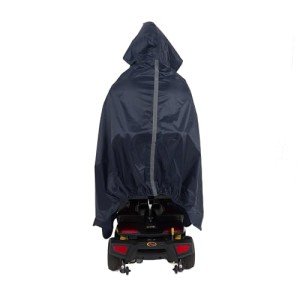
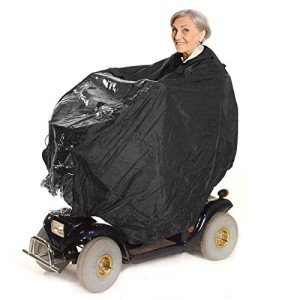
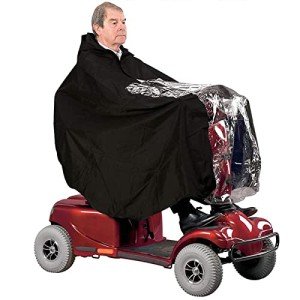
A mobility scooter poncho is distinct from a traditional pedestrian poncho. Its design is tailored specifically to the seated position and the physical dimensions of a mobility vehicle. It typically features an oversized cut that drapes over the back of the seat and extends forward to cover the tiller (the steering column and control dashboard).
Key Components of a High-Quality Poncho
- Waterproof Fabric: Most high-end ponchos utilize PVC-backed polyester or heavy-duty nylon. These materials are treated with a Durable Water Repellent (DWR) coating to ensure water beads off the surface rather than soaking through.
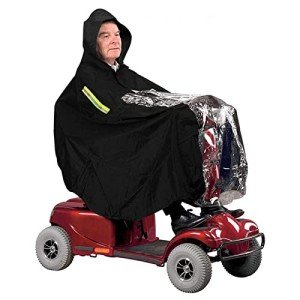
- The Hood: To maintain visibility and protection, the hood usually includes drawstrings to secure it against the wind. Some models feature a stiffened peak or visor to keep rain away from the user’s eyes or glasses.
- Clear Control Panel Window: One of the most critical safety features is a transparent panel located at the front. This allows the user to see their battery gauge, speed settings, and buttons while keeping the tiller completely dry.
- Reflective Strips: Since rain often brings low visibility, high-visibility reflective piping or strips are integrated into the front and back of the poncho to ensure the user is seen by motorists and pedestrians.
- Elasticated Hems and Fasteners: To prevent the fabric from flapping in the wind or getting caught in the scooter's wheels, many ponchos use elasticated edges that hook under the chassis or footrests.
Protecting the Rider and the Machine
While the primary goal is to keep the rider dry, the protection of the mobility scooter itself is an equally important function. Mobility scooters are complex electronic devices. Exposure to moisture can lead to short circuits, corroded battery terminals, and long-term damage to the motor controller.
| Feature Area | Benefit to the User | Benefit to the Scooter |
|---|---|---|
| Full Coverage Design | Keeps clothes dry and prevents chills or hypothermia. | Protects the upholstery and prevents moisture from entering the seat seams. |
| Clear Tiller Window | Ensures full control and visibility of instruments. | Prevents water ingress into the throttle and electronic dash. |
| Seam Taping | Prevents water from leaking through needle holes in the fabric. | Maintains a dry environment for the user’s lap and the scooter's floorboard. |
| Oversized Tail | Provides a dry surface to sit on by covering the backrest. | Keeps the rear-mounted battery charging ports or accessory bags dry. |
Material Comparison: Choosing the Right Protection
Not all waterproof fabrics are created equal. Depending on the climate and frequency of use, one might prioritize breathability over thickness, or vice versa.
Common Materials Used
- PVC (Polyvinyl Chloride): Often found in budget-friendly options. It is entirely waterproof but can be heavy and lacks breathability, which may lead to condensation inside the poncho.
- Polyester with PU Coating: This is a lightweight, flexible option. The Polyurethane (PU) coating provides excellent water resistance while allowing the fabric to remain supple and easy to fold.
- Gore-Tex or Advanced Laminates: Found in premium models, these materials are both waterproof and breathable, allowing moisture (sweat) to escape while preventing rain from entering.
Safety Considerations for Use
Using a poncho on a mobility scooter requires attention to safety to ensure the garment does not interfere with the vehicle’s operation.
- Avoid Wheel Entanglement: It is imperative that the poncho is properly secured. Loose fabric can become tangled in the wheels or the motor assembly, leading to sudden stops or damage.
- Maintain Peripheral Vision: When the hood is up, the user’s peripheral vision may be slightly obscured. Choosing a poncho with a well-shaped hood or using it in conjunction with a rearview mirror is recommended.
- Lighting Visibility: While the clear window helps the user see the controls, it should also be positioned so that the scooter’s headlights and turn signals are not obscured by the fabric.
Maintenance and Care
To ensure the longevity of a waterproof poncho, proper maintenance is required. Following these steps will prevent the degradation of the waterproof coating:
- Air Dry Thoroughly: Never fold and store a wet poncho. This promotes the growth of mold and mildew and can cause the waterproof backing to peel.
- Gentle Cleaning: If the poncho becomes soiled with road salt or mud, it should be wiped down with a damp cloth and mild soap. Harsh detergents and machine washing can strip away the DWR coating.
- Check Ties and Fasteners: Periodically inspect the elastic cords and hook-and-loop fasteners to ensure they are still functional and capable of securing the poncho to the scooter.
Why a Poncho is Better Than an Umbrella
While some users attempt to use umbrellas via specialized holders, a poncho is generally considered superior for several reasons:
- Hands-Free Operation: A poncho doesn't require the user to hold anything, leaving both hands free for the tiller.
- Wind Resistance: Umbrellas act as sails in high winds, which can destabilize the scooter or even pull the umbrella from its holder. A poncho remains close to the body and the machine.
- Comprehensive Coverage: An umbrella only protects from rain falling vertically. A poncho protects against wind-driven rain and splashes from the ground.
Frequently Asked Questions (FAQ)
Q: Will one size fit all mobility scooters?A: Most ponchos are designed to be "universal," but they come in different categories for "Small/Boot Scooters" and "Large/Road-Legal Scooters." It is best to check the length and width measurements against the specific model of the scooter.
Q: Can these ponchos be used on powerchairs?A: While similar, powerchairs often require a different cut, specifically to accommodate the joystick controller which is usually on the armrest rather than a central tiller. However, many universal scooter ponchos are flexible enough to work for powerchair users if positioned correctly.
Q: Is it difficult to put the poncho on while seated?A: Most designs are "overhead" styles with wide neck openings or zippers, making them relatively easy to pull on. However, individuals with limited upper-body mobility may require assistance to ensure the back of the poncho properly covers the seat.
Q: Are there lined versions for winter?A: Yes, some manufacturers offer "Deluxe" versions with fleece or thermal linings. These provide both waterproofing and warmth, which is particularly useful for users who struggle with circulation in cold weather.
Q: Does the clear window fog up?A: In very humid conditions, some fogging may occur. Choosing a poncho with ventilation vents under the arms or at the back can help reduce the temperature differential and minimize condensation.
A waterproof hooded poncho is more than just a convenience; it is a critical tool for maintaining the lifestyle and mobility of scooter users. By investing in a high-quality, well-fitted poncho, individuals can navigate their communities with confidence, regardless of the forecast. Protecting the electronics of the scooter ensures a longer lifespan for the machine, while the protection afforded to the rider ensures that rain never has to mean a day spent indoors. Careful consideration of material, safety features, and proper maintenance will result in a garment that provides reliable service for years to come.