
For individuals who rely on mobility scooters or wheelchairs, maintaining independence often means navigating the outdoor world regardless of the weather. However, the arrival of rain, sleet, or wind can present significant challenges. Standard umbrellas are often impractical or dangerous to hold while operating a vehicle, and traditional raincoats rarely provide adequate coverage for both the user and the expensive electrical components of their mobility aid.
This is where the specialized waterproof poncho becomes an essential piece of equipment. Designed specifically to accommodate the unique ergonomics of seated mobility, these garments offer a blend of protection, safety, and convenience. This guide explores everything there is to know about selecting and using a waterproof mobility poncho.
Understanding the Mobility Poncho
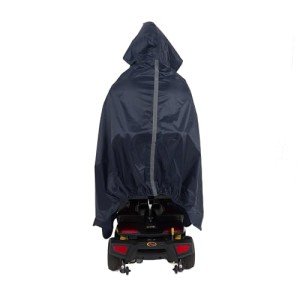
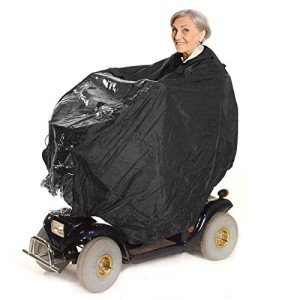
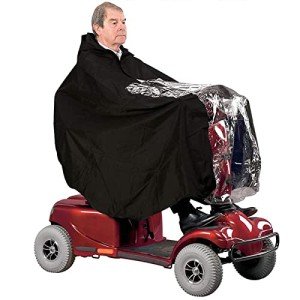
A mobility poncho is not merely an oversized raincoat. It is a technical garment engineered to drape over both the individual and their equipment. For wheelchair users, this means the fabric is cut to prevent interference with the wheels. For scooter users, the poncho often extends forward to cover the tiller (handlebars) and dashboard, protecting sensitive electronics from water damage.
The Problem with Standard Rainwear
Traditional jackets often ride up when the wearer is seated, leaving the lap and legs exposed to the elements. Furthermore, the excess fabric at the back of a standard coat can become bunched behind the neck or, worse, caught in the moving parts of a wheelchair. A purpose-built poncho addresses these issues by using a tailored "seated" cut that is longer in the front and specifically shaped at the rear.
Key Benefits of Using a Mobility Poncho
Investing in a high-quality poncho offers several advantages that go beyond simply staying dry.
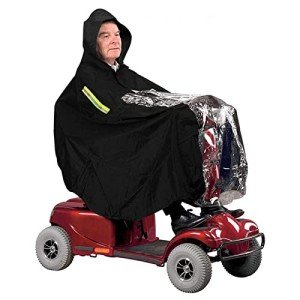
- Complete Equipment Protection: Many models feature a transparent front panel that covers the scooter's control panel, allowing the user to see their buttons and speed dials while keeping them bone-dry.
- Ease of Application: Designed with limited dexterity in mind, these ponchos usually feature simple zip closures or "pop-over" designs that can be put on without standing up.
- Enhanced Safety: Most professional-grade ponchos include reflective strips to ensure the user is visible to motorists during low-visibility rainstorms.
- Warmth and Comfort: Many waterproof ponchos come with fleece or thermal linings, providing an extra layer of insulation against the wind-chill factor inherent in moving vehicles.
Comparing Weather Protection Options
When deciding how to stay dry, users often choose between three primary solutions. The following table compares these options to highlight why the poncho remains a popular choice.
Table 1: Comparison of Weather Protection Solutions
| Feature | Waterproof Poncho | Scooter Canopy | Adaptive Umbrella |
|---|---|---|---|
| Coverage | Full body and equipment | Full vehicle coverage | Head and torso only |
| Ease of Setup | Quicks; fits over the user | Semi-permanent installation | Requires a mount or hand |
| Wind Resistance | High (if weighted) | Moderate (can act as a sail) | Low (can flip inside out) |
| Portability | Folds into a small bag | Non-portable | Moderate |
| Cost | Budget-friendly | High investment | Mid-range |
Essential Features to Look For
Not all mobility ponchos are created equal. When shopping, one should prioritize features that balance durability with functionality.
1. Material and Waterproofing
The most common materials are PVC, Nylon, and Polyester.
- PVC: Highly waterproof and affordable, but less breathable.
- Nylon/Polyester with PU Coating: Offers a better balance of water resistance and breathability, reducing the "sauna effect" inside the garment.
2. Specialized Cut and Fit
- Wheelchair Cut: Usually features a shorter back to prevent the fabric from dragging or getting caught in the wheels. It may include slits for the push-handles so an assistant can still maneuver the chair.
- Scooter Cut: Features a long front drape to cover the knees and the tiller. It often includes an elasticated hem to hook over the front of the scooter.
3. Visibility Features
Rain drastically reduces visibility for drivers. A poncho should ideally have:
- High-visibility fluorescent colors (Yellow or Orange).
- Reflective piping or tape on the front, back, and sides.
- A clear window on the front (specifically for scooters) to ensure the headlight remains unobstructed.
4. Fastenings and Closures
Look for heavy-duty, rust-proof zippers with large pull-tabs. Velcro or popper studs are also common and are often easier for those with arthritis or limited hand strength to manipulate.
Technical Specifications: Choosing the Right Size
Choosing the correct size is vital for safety. A poncho that is too large can trail on the ground and get caught in the transaxle of a scooter, while one that is too small will leave the user's feet exposed.
Table 2: Typical Sizing Considerations
| Size | User Height | Scooter/Chair Size | Best Use Case |
|---|---|---|---|
| Small/Medium | Under 5'5" | Manual Wheelchairs / Compact Scooters | Pavement use, tight maneuvers |
| Large/XL | 5'6" to 6'0" | Mid-size Scooters / Powerchairs | General purpose outdoor use |
| Universal/XXL | Over 6'0" | Large Road-legal/Class 3 Scooters | Heavy rain; covers large tillers |
Safety and Operational Tips
Using a poncho safely requires a few adjustments to one's driving habits. Third-party observers often recommend the following safety checklist:
- Check the Lights: Ensure the front drape of the poncho does not cover the scooter’s indicators or headlights. If it does, a poncho with a transparent panel must be used.
- Avoid Entanglement: Before moving, the user should ensure no part of the fabric is touching the wheels or dragging on the ground.
- Manage Wind Resistance: In high winds, a poncho can act like a sail. Users should drive at lower speeds to maintain stability.
- Ventilation: To prevent the user from overheating or the clear panel from fogging up, it is helpful to leave the neck zipper slightly open once under cover.
Maintenance and Care
To ensure a waterproof poncho lasts for several seasons, proper care is required.
- Drying: Never fold a wet poncho. Always hang it up to air dry in a well-ventilated area.
- Cleaning: Most ponchos can be wiped down with a damp cloth and mild soap. Avoid machine washing and harsh detergents, as these can strip away the waterproof (DWR) coating.
- Reproofing: After extensive use, water may stop "beading" on the surface. Applying a spray-on waterproofing agent designed for outdoor gear can restore its effectiveness.
A waterproof poncho is more than just an accessory; it is a vital tool for year-round mobility. By selecting a model with the right material, safety features, and fit, wheelchair and scooter users can continue their daily routines with confidence, regardless of the forecast. Protecting both the individual and their mobility device ensures that the freedom of movement remains uninterrupted by the changing seasons.
Frequently Asked Questions (FAQ)
1. Is a poncho better than a raincoat for a wheelchair user?
Yes. A poncho is designed for a seated position, meaning it is longer in the front to cover the lap and shorter in the back to avoid wheel interference. Traditional raincoats often leave the legs exposed when the wearer is sitting down.
2. Can a poncho interfere with the controls of a mobility scooter?
If chosen incorrectly, yes. However, specialized scooter ponchos feature a clear "viewing window" and a loose drape that allows the user full access to the tiller and dashboard while keeping the electronics protected from moisture.
3. Are these ponchos one-size-fits-all?
While many are marketed as "Universal Size," it is important to check the measurements. Large road-legal scooters require a much larger front drape than a compact, folding manual wheelchair.
4. How do I stop the poncho from blowing up in the wind?
High-quality mobility ponchos often include weighted hems or elastic loops that can be fastened to the frame of the scooter or wheelchair to keep the fabric secure during gusty weather.
5. Can I use a poncho if I have a powerchair with a joystick?
Yes. There are specific powerchair ponchos that feature sleeves or specialized openings for the joystick, allowing the user to navigate while keeping their hands and the controller dry.