If you're looking for a reliable way to get around town, 4 mph pavement mobility scooters are a fantastic choice. They’re perfect for shorter trips, whether you’re heading to the store or cruising through the park. With their sturdy design and up-to-speed performance, these scooters let you enjoy both comfort and convenience.
4 Mph Pavement Mobility Scooters
Stay active and independent with our selection of 4 mph pavement mobility scooters designed for easy maneuverability and comfort
Product List
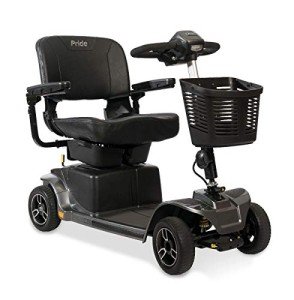
Revo 2.0 Heavy-Duty Scooter
Pride Mobility
Product Review Score
4.73 out of 5 stars
64 reviews$2,170.28
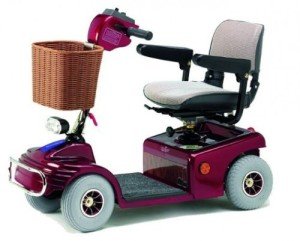
Shoprider Sovereign Mobility Scooter
Betterlife
Product Review Score
4.58 out of 5 stars
186 reviews$2,135.56
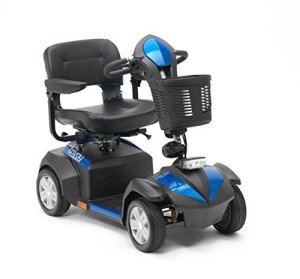
Drive Medical Blue Scooter
Drive Medical
Product Review Score
4.5 out of 5 stars
220 reviews$2,517.53
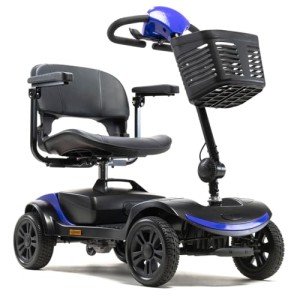
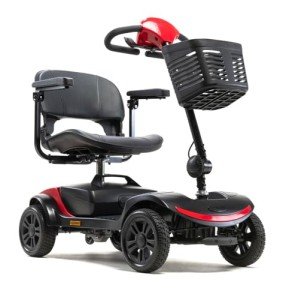
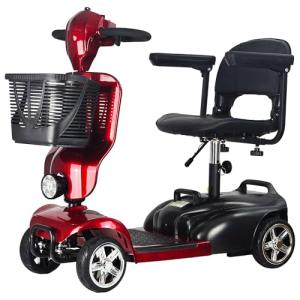
iCAN X-02 Portable Scooter
Ican Products
Product Review Score
4.88 out of 5 stars
14 reviews$614.34
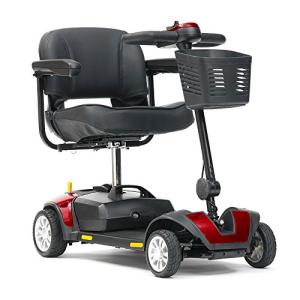
Livewell Jaunt Portable Scooter
Livewell
Product Review Score
4.53 out of 5 stars
192 reviews$933.56
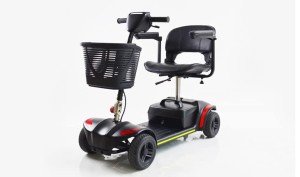
Angel Mobility Foldable Scooter
Angel Mobility
Product Review Score
4.88 out of 5 stars
172 reviews$727.88 $661.10
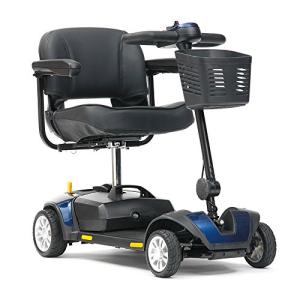
Livewell Jaunt Portable Scooter
Livewell
Product Review Score
4.85 out of 5 stars
202 reviews$933.56

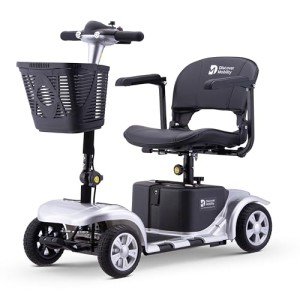
Portable 4mph Mobility Scooter
Discover Mobility
Product Review Score
4.87 out of 5 stars
38 reviews$560.92
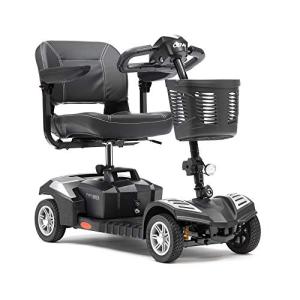
DeVilbiss Explorer Mobility Scooter
Drive Medical
Product Review Score
4.54 out of 5 stars
110 reviews$1,384.05
For many individuals with limited mobility, the world can feel as though it is shrinking. However, the introduction of the 4 mph pavement mobility scooter has revolutionized personal transport, offering a vital bridge between home and the local community. These devices, categorized as Class 2 medical vehicles, are specifically designed for use on footpaths and pedestrian areas, providing a blend of safety, convenience, and independence.
This guide explores everything one needs to know about 4 mph pavement mobility scooters, from their technical specifications and legal requirements to tips for choosing the right model.
What is a 4 Mph Pavement Mobility Scooter?
A 4 mph mobility scooter is a motorized vehicle designed to assist people who find it difficult to walk long distances. As the name suggests, these scooters have a maximum speed limit of 4 miles per hour (6.4 km/h), which is roughly the speed of a brisk walking pace.
Unlike their larger "Class 3" counterparts, which can reach 8 mph and travel on roads, Class 2 scooters are legally restricted to pavements. Their compact size makes them ideal for navigating supermarket aisles, busy high streets, and narrow garden paths.
Key Classifications at a Glance
| Feature | Class 2 (Pavement Scooter) | Class 3 (Road Scooter) |
|---|---|---|
| Max Speed (Pavement) | 4 mph | 4 mph |
| Max Speed (Road) | Not Permitted | 8 mph |
| Typical Range | 6–15 miles | 20–35 miles |
| Registration Required? | No | Yes (with DVLA in the UK) |
| Weight Capacity | Lower (approx. 18–21 stone) | Higher (up to 35+ stone) |
| Lights/Indicators | Optional but recommended | Mandatory |
Types of 4 Mph Pavement Scooters
Not all 4 mph scooters are built the same. They generally fall into two distinct categories based on their design and intended use:
1. Boot Scooters (Transportable)
These are lightweight models designed to be dismantled into three or four manageable parts, allowing them to fit into the trunk of a car. They are perfect for individuals who wish to drive to a shopping center or a park and then use the scooter for the final leg of the journey.
- Best for: Day trips, air travel, and occasional use.
- Mechanism: Most use a "click-and-go" system for disassembly without tools.
2. Dedicated Pavement Scooters (Mid-Sized)
These models are larger and sturdier than boot scooters. While they may not be easily dismantled, they offer superior comfort, larger batteries, and better suspension.
- Best for: Daily errands directly from home, longer journeys, and uneven pavement.
- Mechanism: Often feature "Captain’s chairs" with headrests and full suspension systems.
Essential Features and Benefits
The popularity of 4 mph scooters stems from their user-centric design. Here are the primary features that users should consider:
Ergonomics and Comfort
Longer journeys require a comfortable seat. Many 4 mph models feature "Delta Tillers"—wrap-around handles that allow the user to steer and accelerate using either their thumbs or fingers. This is particularly beneficial for individuals with arthritis or limited grip strength.
Battery Life and Range
Most pavement scooters use Lead Acid or Lithium-ion batteries.
- Lead Acid: More affordable but heavier and slower to charge.
- Lithium-ion: Lighter, faster charging, and often more durable, though they carry a higher price point.
Maneuverability
The turning circle is a crucial factor for pavement use. Three-wheeled models offer the tightest turning circles, making them ideal for indoor use. However, four-wheeled models are generally preferred for outdoor pavement use as they provide greater stability on curbs and uneven surfaces.
Lighting and Safety
While not a legal requirement for pavement use, many high-quality 4 mph scooters come equipped with LED headlights, rear reflectors, and horn systems. These are essential for visibility during winter months or late-afternoon journeys.
Comparison Table: Popular Specifications
To help visualize the differences between entry-level and premium 4 mph models, consider the following technical comparison:
| Specification | Compact Boot Scooter | Mid-Range Pavement Scooter |
|---|---|---|
| Typical Battery Size | 12Ah - 18Ah | 20Ah - 36Ah |
| Estimated Range | 6 - 10 Miles | 12 - 20 Miles |
| Total Weight | 35kg - 45kg | 55kg - 80kg |
| Wheel Type | Solid (Puncture-proof) | Pneumatic (Air-filled) |
| Suspension | None or Basic | Full Front & Rear |
| Ground Clearance | 1 - 2 inches | 2 - 4 inches |
Legal Requirements and Safety Advice
While 4 mph scooters are easier to manage than road-legal models, there are still rules of the road—or rather, the pavement—that must be followed.
The Law and Registration
In the United Kingdom and many other regions, Class 2 scooters do not need to be registered with the government. There is no requirement for a driving license or road tax. However, it is illegal to drive a 4 mph scooter on the road except in places where there is no pavement or to cross from one side to the other.
Insurance
Insurance is not a legal requirement for 4 mph scooters in many jurisdictions, but it is highly recommended. Policies usually cover:
- Third-party liability (in case of an accident with a pedestrian).
- Theft or damage.
- Breakdown recovery.
Pavement Etiquette
- Pedestrians have right of way: Always slow down when approaching walkers.
- Curbs: Only tackle dropped curbs unless the scooter has a high-clearance rating.
- Speed: While the limit is 4 mph, in crowded areas, users should reduce speed to match the flow of foot traffic.
Maintenance for Longevity
To ensure a mobility scooter remains reliable, a regular maintenance routine is essential.
- Battery Care: Never let the battery discharge completely. Charge the scooter after every use, even if it was only a short journey.
- Tire Checks: If the scooter has pneumatic tires, check the pressure weekly. Solid tires should be inspected for wear and tear or embedded debris.
- Cleaning: Keep the scooter dry. Dust and mud should be wiped off with a damp cloth. Avoid using high-pressure hoses, as water can damage the sensitive electronics.
- Annual Service: Just like a car, a mobility scooter should be professionally serviced once a year to check the motor brushes, braking system, and battery health.
FAQ: Frequently Asked Questions
Can I take a 4 mph scooter on a bus or train?
Most modern buses and trains are designed to accommodate Class 2 scooters. However, "transportable" boot scooters are usually easier to manage. It is advisable to check with the local transport authority as some require a "Permit to Travel" or have size restrictions.
Do I need a doctor's note to buy one?
No. Anyone can purchase a mobility scooter. However, if the user has a qualifying long-term illness or disability, they may be eligible for VAT relief, which significantly reduces the purchase price.
Can 4 mph scooters go on hills?
Yes, but with limitations. Every scooter has a "climbing gradient" rating (usually expressed in degrees, such as 6° or 8°). Exceeding this can strain the motor or cause the scooter to tip.
How do I store my scooter if I don’t have a garage?
If internal storage isn't possible, many users utilize heavy-duty waterproof scooter covers. Alternatively, small outdoor "scooter sheds" or "pods" are available that provide weather protection and charging points.
The 4 mph pavement mobility scooter is more than just a piece of medical equipment; it is a tool for social inclusion and mental well-being. By choosing a model that balances portability with comfort, users can regain the ability to visit friends, go shopping, or simply enjoy a park on a sunny day.
When selecting a scooter, it is always recommended to trial multiple models. Physical comfort, ease of control, and how well it fits into one’s specific living environment are the most important factors. With proper care and responsible use, a 4 mph scooter can provide years of reliable service and a renewed sense of freedom.