Lightweight mobility scooters are a game changer for anyone looking for freedom on the go. They're easy to handle, offer top-notch portability, and are perfect for both indoor and outdoor use. If you need something that combines convenience with mobility, these scooters have got you covered.
Lightweight Mobility Scooters
Discover easy-to-use options that make getting around a breeze
Product List
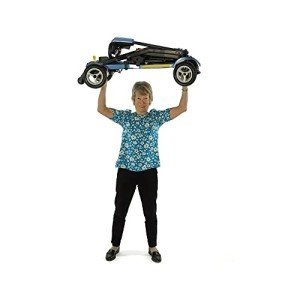
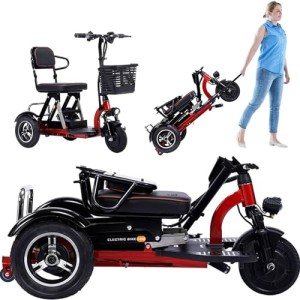
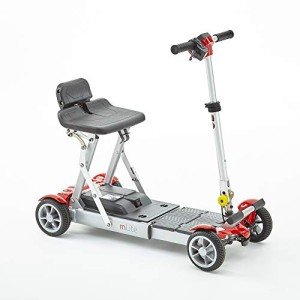
Folding 4-Wheel Electric Scooter
Motion Healthcare
Product Review Score
4.69 out of 5 stars
72 reviews$1,581.92
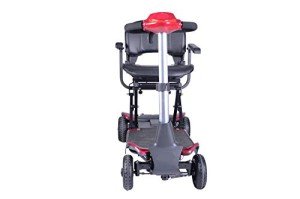
EasyLife Lightweight Folding Scooter
Easylife Mobility
Product Review Score
4.22 out of 5 stars
130 reviews$1,521.03
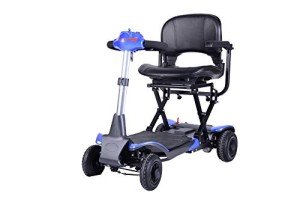
EasyLife Folding Mobility Scooter
Easylife Mobility
Product Review Score
4.64 out of 5 stars
136 reviews$1,521.03
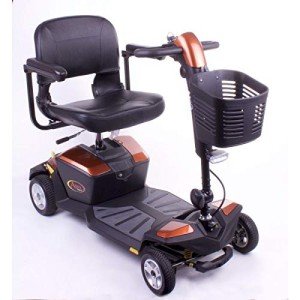
Pride Apex Rapid Scooter - Orange
Pride Mobility
Product Review Score
4.82 out of 5 stars
183 reviews$1,587.22
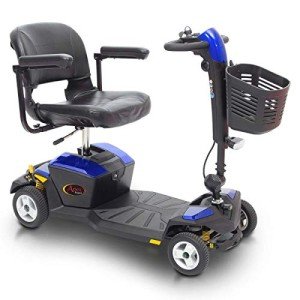
Pride Apex Compact Scooter (Blue)
Pride Mobility
Product Review Score
4.75 out of 5 stars
169 reviews$1,453.52
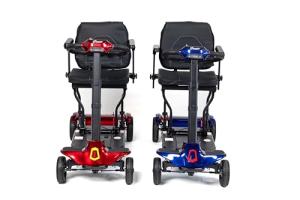
Monarch Genie Lightweight Scooter
Monarch Mobility
Product Review Score
4.6 out of 5 stars
75 reviews$2,362.96
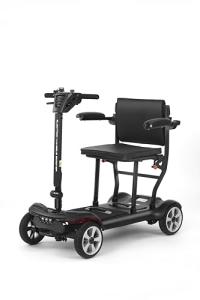
Angel Lightweight Folding Scooter
Angel Mobility
Product Review Score
4.42 out of 5 stars
37 reviews$920.03
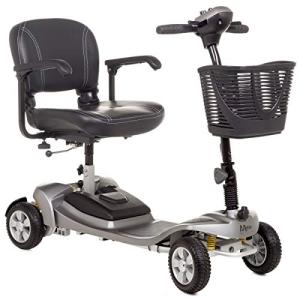
Alumina Pro Electric Scooter
Motion Healthcare
Product Review Score
4.9 out of 5 stars
135 reviews$2,116.73
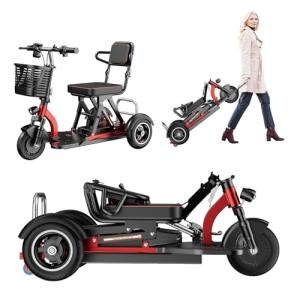
In the modern era of assistive technology, the focus has shifted from mere functionality to the integration of convenience and lifestyle. Among the most significant advancements in this field is the development of lightweight mobility scooters. Designed to bridge the gap between heavy-duty power chairs and manual wheelchairs, these compact machines offer individuals with limited mobility a new lease on life. This guide explores the intricacies of lightweight mobility scooters, their benefits, key features, and how they are transforming the way people navigate their worlds.
The Evolution of Mobility: Why Lightweight Matters
Historically, mobility scooters were bulky, heavy, and required specialized vans with hydraulic lifts for transport. While these models still serve a purpose for heavy-duty outdoor use, they often restricted users to their immediate neighborhoods. The advent of lightweight mobility scooters—often constructed from aircraft-grade aluminum or magnesium alloys—has revolutionized this dynamic.
These scooters are designed with portability at their core. By reducing the overall weight and incorporating folding or disassembling mechanisms, manufacturers have made it possible for a single person to lift the device into a car trunk or take it on an airplane. This portability translates directly into independence, allowing users to attend family gatherings, go shopping, or travel abroad without the logistical nightmare of transporting heavy equipment.
Categories of Lightweight Mobility Scooters
Lightweight scooters generally fall into two primary design categories. Understanding the difference is crucial for any potential user determining which model best fits their daily routine.
1. Folding Mobility Scooters
These models are designed to fold into a single, compact unit, similar to a piece of luggage.
- Manual Fold: Requires the user to pull a lever or push a button to collapse the frame.
- Automatic Fold: Features a remote control or internal motor that folds the scooter at the touch of a button.
2. Disassembling (Boot) Scooters
These scooters are designed to be taken apart into several smaller, manageable pieces (usually the seat, the battery pack, the front tiller, and the rear motor section).
- Portability: Each individual piece is light (often between 20–30 lbs).
- Stability: Often features a more traditional "four-wheel" base which can feel more stable to some users.
Key Features to Consider
When evaluating a lightweight mobility scooter, several technical specifications dictate how the device will perform in real-world scenarios.
Frame Material and Weight
The "lightweight" label can be subjective. Most premium models weigh between 45 and 65 pounds including the battery. High-end models utilizing carbon fiber or specialized alloys can drop even lower. It is essential to check both the "total weight" and the "heaviest piece weight" if the scooter disassembles.
Battery Technology
The heart of any lightweight scooter is its battery. Most modern lightweight models utilize Lithium-Ion (Li-ion) batteries. Compared to traditional Sealed Lead Acid (SLA) batteries, lithium versions are significantly lighter, charge faster, and hold their capacity for more cycles. Crucially, many lithium batteries are designed to be "Airline Safe," meeting FAA and IATA regulations for travel.
Three vs. Four Wheels
The wheel configuration significantly impacts the scooter’s maneuverability and stability.
| Feature | 3-Wheel Scooters | 4-Wheel Scooters |
|---|---|---|
| Turning Radius | Tight; excellent for indoor use and narrow aisles. | Wider; requires more space to turn. |
| Stability | Good, but requires care on uneven terrain. | Superior; better for outdoor paths and uneven ground. |
| Legroom | Generally more room for taller users to stretch their legs. | More restricted due to the front wheel wells. |
| Weight | Typically lighter due to fewer components. | Slightly heavier but more balanced. |
Comparative Specifications Table
To assist in understanding the market standards, the following table compares typical specifications for standard vs. premium lightweight models.
| Specification | Standard Lightweight | Premium/Ultra-Lightweight |
|---|---|---|
| Approx. Weight | 55 - 75 lbs | 35 - 50 lbs |
| Weight Capacity | 250 lbs | 220 - 300 lbs |
| Top Speed | 4 mph | 4 - 5 mph |
| Average Range | 8 - 10 miles | 12 - 15 miles |
| Battery Type | SLA or Lithium | High-density Lithium |
| Mechanism | Disassembles | Auto-Folding / Carbon Fiber |
The Benefits of Lightweight Scooters
The adoption of a lightweight mobility aid offers various psychological and physical advantages:
- Increased Social Interaction: The ease of transport means users are more likely to accept invitations to social events, reducing the risk of isolation.
- Travel Capability: Many lightweight scooters are specifically designed for cruise ships and airplanes, featuring narrow widths to fit through cabin doors and compact folds for storage.
- Ease of Use: Most models feature "Delta Tillers," which allow users with limited dexterity or arthritis to operate the throttle using only their thumbs or fingers.
- Storage Efficiency: For individuals living in small apartments or assisted living facilities, the ability to tuck a scooter into a closet or under a bed is a significant space-saving benefit.
Maintenance and Longevity
To ensure a lightweight mobility scooter remains reliable, a consistent maintenance schedule is necessary. Because these devices prioritize weight reduction, some components may be more delicate than those on heavy-duty models.
- Battery Care: Avoid letting lithium batteries drain to 0%. Regular charging, even when not in use, extends the battery's lifespan.
- Tire Inspection: Most lightweight scooters use solid, "flat-free" tires. While they won't puncture, they can wear down over time and lose grip.
- Cleaning: Dust and debris can interfere with folding mechanisms and electronic sensors. A damp cloth should be used to wipe the frame, avoiding direct water contact with the electronics.
- Hardware Check: Periodically check for loose bolts or knobs, especially if the scooter is frequently disassembled or subjected to vibrations on uneven pavements.
Traveling with a Lightweight Scooter
One of the primary drivers for purchasing a lightweight scooter is flight travel. For a seamless experience, travelers should follow these protocols:
- Notify the Airline: Inform the carrier at least 48 hours in advance that a mobility device will be brought on board.
- Know the Battery Watt-Hours (Wh): Airlines typically allow lithium batteries up to 300Wh (or two batteries of 160Wh each). Users must have this information ready for security.
- Gate Delivery: Most airlines allow users to ride the scooter to the gate, where it is then tagged and placed in the cargo hold. Upon arrival, the scooter is brought back to the aircraft door.
Lightweight mobility scooters represent a perfect intersection of engineering and empathy. They acknowledge that a disability does not mean a desire for a stationary life. By prioritizing portability, ease of use, and modern battery technology, these devices empower individuals to maintain their active lifestyles, travel the world, and navigate their communities with dignity. When choosing a model, it is vital to balance the need for a low total weight with the necessity of a stable, comfortable ride that meets the user’s specific physical requirements.
Frequently Asked Questions (FAQ)
1. Can a lightweight mobility scooter be used on grass or gravel?While some models can handle very short, well-manicured grass, most lightweight scoooters are designed for flat, paved surfaces like sidewalks, malls, and indoor flooring. Their smaller wheels and lower ground clearance make them less ideal for rugged off-road use.
2. How long does it take to charge a lithium battery?On average, a lithium battery for a mobility scooter takes between 4 to 6 hours to reach a full charge. It is often recommended to charge the device overnight.
3. Are lightweight scooters covered by Medicare or insurance?Insurance coverage varies. Medicare typically covers scooters (as Durable Medical Equipment) only if they are medically necessary for use inside the home. Because lightweight scooters are often marketed for "travel" and "outdoor" use, they may require additional documentation or may not be covered in full.
4. What is the maximum weight limit for these scooters?Most lightweight models support between 220 and 300 pounds. Users exceeding these limits should look for "heavy-duty" portable models, which feature reinforced frames while still maintaining a degree of portability.
5. Do I need a special license to operate a mobility scooter?In most countries, including the US and UK, no license or registration is required to operate a mobility scooter, as they are classified as medical devices rather than motor vehicles. However, they must be operated at safe speeds, generally around 4 mph on sidewalks.