Heavy duty wheelchairs are built tough for those who need a little extra support. They can handle more weight and rougher terrain, making them perfect for daily use or outdoor adventures. If you’re looking for a chair that combines comfort, durability, and reliability, you’ve come to the right place!
Heavy Duty Wheelchairs
Discover sturdy and reliable wheelchairs designed to support your mobility needs with ease and comfort
Product List
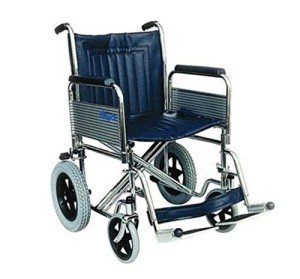
Days Heavy Duty Wheelchair
Days Mobility
Product Review Score
4.33 out of 5 stars
91 reviews£341.65
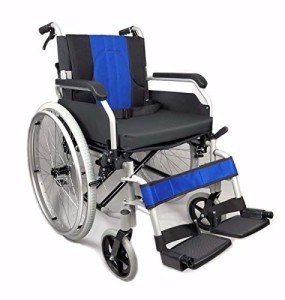
Folding Self-Propel Wheelchair
Free To Be Mobility Equipment
Product Review Score
4.53 out of 5 stars
155 reviews£199.99
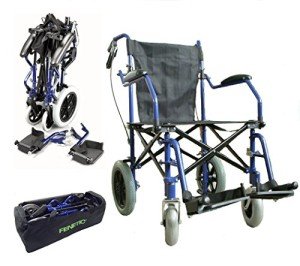
Folding Travel Wheelchair with Handbrakes
Elite Care
Product Review Score
4.65 out of 5 stars
37 reviews£119.99
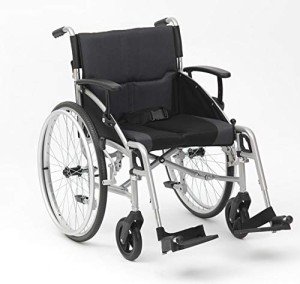
DeVilbiss Phantom Folding Wheelchair
Devilbiss Healthcare
Product Review Score
4.21 out of 5 stars
126 reviews£249.99
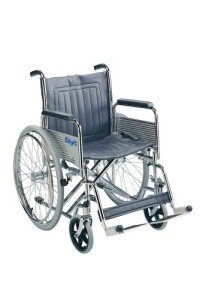
DAYS Heavy Duty Wheelchair
Days Mobility
Product Review Score
4.27 out of 5 stars
38 reviews£269.99
Mobility is a fundamental aspect of independence and quality of life. For individuals with limited mobility, a wheelchair is not merely a piece of equipment but a vital extension of their body. While standard wheelchairs serve a broad segment of the population, they are not always sufficient for users who require higher weight capacities, wider seating, or extra durability for rigorous daily use. This is where heavy-duty wheelchairs—often referred to as bariatric wheelchairs—become essential.
This guide explores the engineering, benefits, and selection criteria for heavy-duty wheelchairs, providing an informative overview for healthcare providers, caregivers, and users alike.
What Defines a Heavy-Duty Wheelchair?
A heavy-duty wheelchair is specifically engineered to support higher weight loads and provide increased stability compared to standard models. While a typical manual wheelchair usually supports up to 250 or 300 pounds, heavy-duty models are designed to accommodate weights ranging from 350 to 1,000 pounds, depending on the specific construction.
These chairs are characterized by reinforced frames, often utilizing dual cross-braces or heavy-gauge steel. The architecture of these devices focuses on distributing weight evenly to prevent tipping and to ensure the structural integrity of the frame over years of use.
Key Components of Heavy-Duty Design
To handle increased weight and frequent use, several components are upgraded in a heavy-duty model:
- Reinforced Frames: Most use reinforced steel or titanium to prevent bending under pressure.
- Wider Seating: Seat widths often range from 20 inches to 30 inches or more.
- Heavy-Duty Upholstery: The fabric used for the seat and backrest is typically double-stitched and reinforced to prevent sagging.
- Robust Wheels and Casters: The tires are often wider to provide better traction, and the front casters are strengthened to handle the increased load during turns.
Types of Heavy-Duty Wheelchairs
There are two primary categories of heavy-duty mobility aids: manual and power. Each serves different user needs based on their physical strength and activity level.
1. Manual Heavy-Duty Wheelchairs
These are propelled either by the user or a caregiver. They are preferred for their simplicity, ease of transport (many are foldable), and lower maintenance requirements. However, the sheer weight of a bariatric manual chair can make self-propulsion difficult for some users.
2. Power Heavy-Duty Wheelchairs
Equipped with electric motors and rechargeable batteries, these models are ideal for individuals who lack the upper body strength to propel a manual chair. They feature heavy-duty suspensions and high-torque motors to navigate inclines and varied terrain.
Comparison: Standard vs. Heavy-Duty Wheelchairs
| Feature | Standard Wheelchair | Heavy-Duty Wheelchair |
|---|---|---|
| Weight Capacity | 250 – 300 lbs | 350 – 1,000+ lbs |
| Frame Material | Aluminum or Light Steel | Reinforced Steel or Titanium |
| Seat Width | 16 – 18 inches | 20 – 30+ inches |
| Typical Product Weight | 30 – 40 lbs | 50 – 100+ lbs (Manual) |
| Durability | Moderate | High (Designed for 24/7 use) |
The Benefits of Choosing a Heavy-Duty Model
The primary advantage of a heavy-duty wheelchair is safety. Overloading a standard wheelchair can lead to frame failure, wheel collapse, or tipping, posing a significant risk to the user. Beyond safety, there are several key benefits:
Enhanced Stability and Safety
The wider wheelbase and lower center of gravity in bariatric models offer superior stability. This is particularly important when the user is transferring in or out of the chair, as the reinforced frame is less likely to shift or slide.
Long-Term Cost Efficiency
While the initial investment in a heavy-duty chair may be higher than a standard model, the long-term costs are often lower. Because they are built with higher-grade materials, they experience less wear and tear, leading to fewer repairs and a longer lifespan.
Improved Comfort and Ergonomics
Proper fit is essential for preventing pressure sores and musculoskeletal issues. Heavy-duty wheelchairs allow for wider seating and deeper cushions, ensuring that the user is not compressed into a space that is too small for their frame.
Criteria for Selection: Finding the Right Fit
Selecting the appropriate heavy-duty wheelchair requires a careful assessment of the user's physical needs and lifestyle. The following factors should be considered:
- Weight Capacity: It is recommended to choose a chair with a capacity at least 50 pounds higher than the user's current weight. This provides a safety buffer and accounts for any fluctuations.
- Seat Dimensions: The seat should be wide enough to accommodate the user comfortably but narrow enough to fit through standard doorways. Measurements of the user's hips should be taken while sitting to ensure the best fit.
- Transportability: If the user travels frequently, the weight of the chair itself is a factor. While some manual heavy-duty chairs fold, they are still significantly heavier than standard models. Power chairs usually require a specialized vehicle lift.
- Terrain and Environment: If the chair will be used primarily outdoors or on uneven surfaces, a model with larger wheels and enhanced suspension is necessary.
Maintenance and Longevity
To ensure the safety and performance of a heavy-duty wheelchair, regular maintenance is required. Because these chairs carry more weight, their components are under higher stress.
Routine Maintenance Checklist
| Frequency | Task |
|---|---|
| Daily | Check tire pressure and inspect for debris in the wheels. |
| Weekly | Clean the frame and check for loose bolts or screws. |
| Monthly | Inspect upholstery for tears and lubricate moving parts. |
| Bi-Annually | Professional inspection of brakes and (if applicable) motor/battery. |
The Role of Prescription and Insurance
In many cases, a heavy-duty wheelchair is considered "Durable Medical Equipment" (DME). For users in the United States, Medicare or private insurance may cover a significant portion of the cost if a physician provides a written prescription. The documentation must typically prove that a standard wheelchair is insufficient for the patient’s medical needs due to weight or specific physical requirements.
Heavy-duty wheelchairs provide a critical service for individuals who require robust mobility solutions. By prioritizing structural integrity, user comfort, and safety, these devices empower users to navigate their environments with confidence. Whether choosing a manual or power model, understanding the technical specifications and maintenance needs is vital for ensuring long-term independence and health.
Frequently Asked Questions (FAQ)
1. Are heavy-duty wheelchairs difficult to transport in a car?
Yes, they can be more challenging than standard models. Many heavy-duty manual chairs do fold, but they are heavy to lift. For power models, a specialized van or a vehicle-mounted lift is usually required.
2. Can a heavy-duty wheelchair fit through standard doorways?
Most residential doorways are 30 to 32 inches wide. While many heavy-duty chairs are designed to fit through 32-inch gaps, the widest bariatric models (30-inch seat width) may require modified doorways or "swing-away" hinges to allow the chair to pass.
3. How do I know if I need a heavy-duty chair versus a standard one?
If a user’s weight is within 10-15% of the maximum capacity of a standard chair, or if they have broken frames or wheels on standard chairs in the past, it is time to upgrade to a heavy-duty model for safety and durability.
4. Is there a difference between "Bariatric" and "Heavy-Duty"?
In the mobility industry, these terms are often used interchangeably. Both refer to wheelchairs designed for higher weight capacities and larger frame sizes.
5. Do heavy-duty wheelchairs come with reclining options?
Yes, many heavy-duty models offer "tilt-in-space" or reclining backrests. These features are particularly useful for users who need to shift their weight to prevent pressure sores or who have difficulty sitting upright for long periods.