Looking for a bit more stability while you’re on the move? Four-wheel rollators are perfect for giving you the support you need without sacrificing freedom. They’re easy to maneuver, packed with handy features, and great for those who want to stay active and independent.
4 Wheel Rollators
Stay steady and mobile with our easy-to-use four wheel rollators
Product List
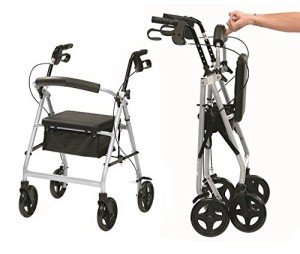
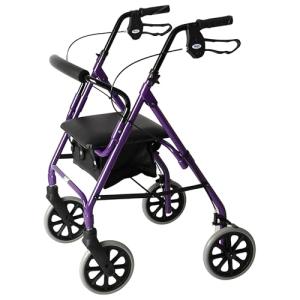
Purple Four-Wheel Rollator
Days Mobility
Product Review Score
4.57 out of 5 stars
53 reviews$133.41
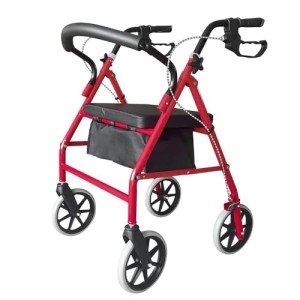
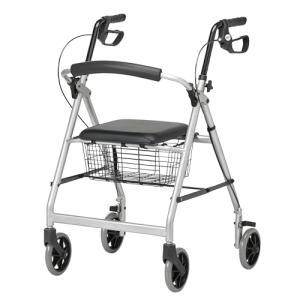
Folding 4-Wheel Walker Seat
Days Mobility
Product Review Score
4.9 out of 5 stars
93 reviews$126.74 $110.60
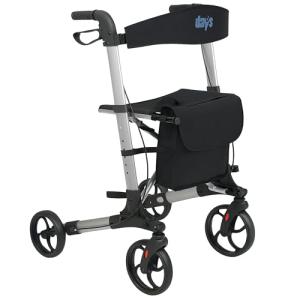
Days Lightweight Folding Rollator
Days Mobility
Product Review Score
4.44 out of 5 stars
216 reviews$91.16
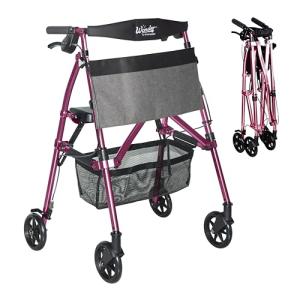
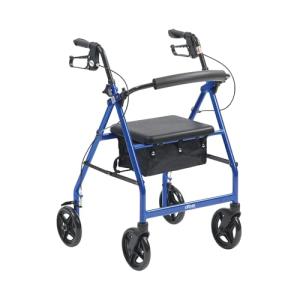
Drive Blue 4-Wheel Walker
Drive Medical
Product Review Score
4.41 out of 5 stars
172 reviews$82.71 $80.04
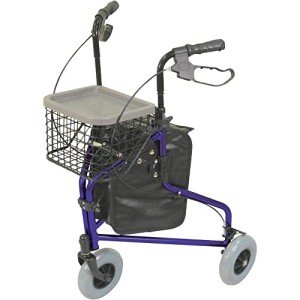
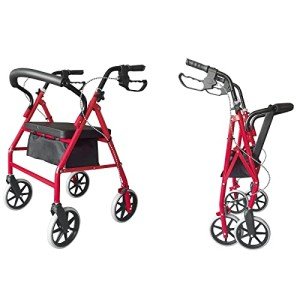
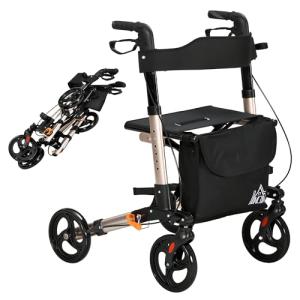
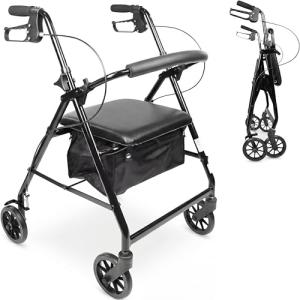
Pepe 4-Wheel Folding Walker
Pepe Mobility
Product Review Score
4.49 out of 5 stars
83 reviews$129.99
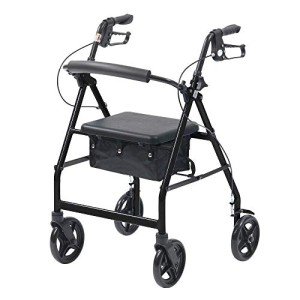
Folding Walker with Seat
Fenetic Wellbeing
Product Review Score
4.49 out of 5 stars
31 reviews$73.37
In the realm of mobility aids, the 4-wheel rollator stands as one of the most versatile and popular choices for individuals seeking to maintain an active lifestyle despite physical limitations. Often referred to as "wheeled walkers," these devices provide a critical bridge between a standard walker and a wheelchair, offering safety, stability, and a sense of freedom. This guide explores the intricate details of 4-wheel rollators, their benefits, and how to choose the right model for specific needs.
Understanding the 4-Wheel Rollator
A 4-wheel rollator is a mobility frame equipped with four wheels, handlebars, a built-in seat, and hand-operated brakes. Unlike a traditional standard walker that must be lifted with every step, a rollator is pushed forward. This continuous contact with the ground allows for a smoother, more fluid walking gait, making it ideal for those who have the strength to walk but require help with balance or fatigue.
The Core Components
- The Frame: Usually constructed from aluminum or steel, the frame determines the weight and durability of the device.
- The Wheels: Rollators typically feature wheels ranging from 6 to 10 inches. Larger wheels are generally better suited for outdoor terrain.
- The Braking System: Hand brakes provide the user with the ability to slow down or stop the rollator. Most models include a "parking brake" feature to lock the wheels when the user sits.
- The Seat and Backrest: One of the most significant advantages of a 4-wheel model is the integrated seat, allowing for rest periods during longer excursions.
Comparing Mobility Aids
Choosing the right device requires understanding how the 4-wheel rollator compares to other options on the market.
Table 1: Mobility Aid Comparison
| Feature | Standard Walker | 3-Wheel Rollator | 4-Wheel Rollator |
|---|---|---|---|
| Stability | Highest | Moderate | High |
| Maneuverability | Low (requires lifting) | High (tight turns) | Moderate |
| Terrain | Mostly Indoor | Smooth surfaces | Indoor/Outdoor |
| Integrated Seat | No | No | Yes |
| Weight Capacity | High | Standard | High (Bariatric options available) |
| Recommended Use | Acute recovery/Limited balance | Tight indoor spaces | Endurance and outdoor mobility |
Key Benefits of Using a 4-Wheel Rollator
The design of the 4-wheel rollator offers specific advantages that cater to a wide range of mobility challenges.
- Improved Natural Gait: Because the device does not need to be lifted, the user can maintain a more natural walking rhythm.
- Increased Endurance: The presence of a seat ensures that the user can rest whenever fatigue sets in, which often encourages individuals to walk longer distances.
- Versatile Storage: Most rollators come with an under-seat basket or a front-mounted pouch, allowing for the easy transport of personal items, groceries, or medical supplies.
- Safety on Inclines: The hand brakes allow users to control their speed when traveling down slopes, providing a layer of safety that standard walkers lack.
Features to Consider When Selecting a Rollator
Not all 4-wheel rollators are created equal. When selecting a model, several technical specifications should be evaluated to ensure the device fits the user's physique and environment.
Wheel Size and Material
Wheel size is a primary factor in the rollator's performance. Smaller wheels (6-inch) are excellent for indoor use on flat surfaces like hardwood or tile. Larger wheels (8-inch or 10-inch) are better for navigating cracked sidewalks, grass, or gravel.
Handle Height Adjustability
To prevent back strain, the handles must be set at the correct height. When the user's arms are hanging naturally at their sides, the handles should be level with the wrists.
Seat Height and Width
Users must ensure the seat is at a height that allows them to sit and stand easily. If the seat is too low, standing up becomes difficult; if it is too high, the user’s feet may dangle, causing instability.
Weight Capacity
Standard rollators usually support between 250 and 300 pounds. For individuals requiring more support, bariatric models are constructed with reinforced frames and wider seats to accommodate 400 to 500 pounds.
Table 2: Feature Checklist for Buyers
| Category | Specification to Check | Importance |
|---|---|---|
| Portability | Folding mechanism & weight | Crucial for transport in car trunks. |
| Comfort | Padded seat and backrest | Essential for those who need frequent rests. |
| Braking | Loop-locks vs. Push-down | Loop-locks are generally easier for those with arthritis. |
| Width | Total width of the device | Must fit through the user's thinnest doorway at home. |
Types of 4-Wheel Rollators
There are several specialized categories designed to meet the unique needs of different demographics:
- Lightweight Rollators: Often weighing between 11 and 15 pounds, these are designed for easy lifting and travel.
- Indoor/Ultra-Compact Rollators: These feature a narrower frame to navigate tight hallways and bathroom doors.
- All-Terrain Rollators: Equipped with large, pneumatic (air-filled) tires, these are built for hiking trails and uneven outdoor surfaces.
- Hemi-Height Rollators: Designed specifically for shorter individuals or those who need a lower seat height.
Safety and Maintenance Protocols
To ensure the longevity of the device and the safety of the user, regular maintenance is required.
Safety Tips for Users
- Always Lock the Brakes: Before sitting down or standing up, the parking brakes must be engaged.
- Avoid Using as a Wheelchair: Unless specifically labeled as a "transport chair/rollator combo," a rollator is not designed to be pushed while someone is sitting on it. Doing so can cause the frame to buckle or tip.
- Walk Inside the Frame: Users should avoid pushing the rollator too far in front of them. Staying within the "U" shape of the frame provides maximum support.
Maintenance List
- Weekly: Check the hand brakes to ensure they grip the wheels firmly.
- Monthly: Inspect the wheels for debris, hair, or wear and tear.
- Monthly: Tighten any loose screws or bolts on the frame.
- Quarterly: Clean the frame with a damp cloth and mild detergent to prevent grime buildup in the folding joints.
The 4-wheel rollator is more than just a mobility tool; it is a gateway to continued social engagement and physical health. By providing a stable base and a place to rest, it empowers individuals to navigate their worlds with confidence. Whether for a trip to the grocery store or a stroll through a local park, the right rollator can significantly enhance the quality of life for those with mobility impairments.
Frequently Asked Questions (FAQ)
1. Does Medicare cover the cost of a 4-wheel rollator?
Medicare Part B may cover a portion of the cost of a rollator if it is deemed medically necessary and prescribed by a doctor as Durable Medical Equipment (DME). The user typically pays 20% of the Medicare-approved amount after meeting the deductible.
2. What is the difference between a rollator and a walker?
A walker is a simple frame with four legs (sometimes two wheels) that requires the user to lift or slide the device. A rollator has four wheels and brakes, allowing for a continuous rolling motion and includes a seat.
3. How do I know if I need a 4-wheel or 3-wheel rollator?
A 4-wheel rollator offers more stability and a seat for resting. A 3-wheel rollator is lighter and has a sharper turning radius, making it better for tight indoor spaces, but it is less stable and does not include a seat.
4. Can the handle height be adjusted on most models?
Yes, almost all modern 4-wheel rollators feature height-adjustable handles. This is usually managed via a push-button mechanism or a tightening knob on the frame.
5. Are there weight limits for rollators?
Yes. Most standard models support up to 300 lbs. Users who require a higher weight capacity should look for "Bariatric" or "Heavy Duty" models, which are rated for 400 lbs or more.
6. Can I use a 4-wheel rollator on carpet?
Yes, 4-wheel rollators can be used on carpet. However, models with larger wheels (8 inches or more) typically glide more easily over high-pile or plush carpeting than models with smaller wheels.