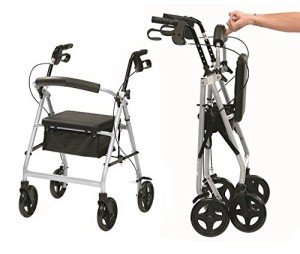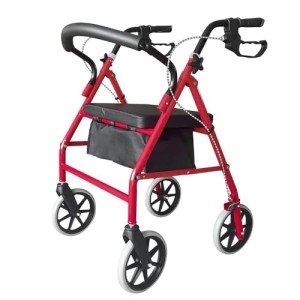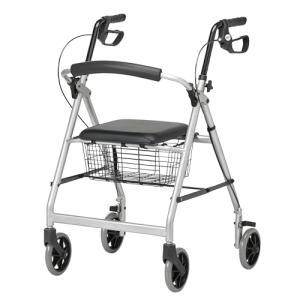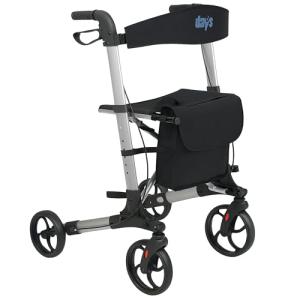





In the realm of mobility aids, the four-wheel rollator has revolutionized the way individuals with limited mobility navigate their daily lives. Unlike traditional walkers that require a "lift-and-place" motion, the rollator offers a fluid, rolling movement that promotes a more natural gait. Among the various options available on the market, the lightweight aluminum four-wheel rollator—particularly in its vibrant purple finish—has emerged as a favorite for those seeking a blend of durability, portability, and personal style.
This guide explores the intricate details, benefits, and technical specifications of this essential mobility tool, providing an informative overview for users, caregivers, and medical professionals.
The Evolution of the Rollator: Why Aluminum Matters
For decades, mobility aids were primarily constructed from heavy steel. While durable, these frames were often cumbersome and difficult for elderly users or those with reduced upper-body strength to transport. The shift toward aluminum alloys represents a significant technological leap. Aluminum provides a high strength-to-weight ratio, ensuring that the device can support substantial user weight while remaining light enough to be lifted into a car trunk or maneuvered over curbs.
Key Benefits of Aluminum Construction
- Corrosion Resistance: Unlike steel, aluminum does not rust, making it ideal for use in various weather conditions.
- Portability: Most aluminum rollators weigh between 12 and 18 pounds, significantly less than their steel counterparts.
- Structural Integrity: Advanced aluminum frames are designed to distribute weight evenly, reducing the risk of tipping.
Technical Specifications: A Closer Look
When selecting a mobility aid, understanding the technical dimensions and capacities is crucial for ensuring safety and comfort. Below is a detailed specification table typical of a premium lightweight aluminum rollator.
Table 1: Technical Specifications
| Feature | Specification |
|---|---|
| Frame Material | High-Grade Lightweight Aluminum |
| Color | Metallic Purple / Deep Violet |
| Weight Capacity | 300 lbs (Approx. 136 kg) |
| Product Weight | 15.5 lbs |
| Handle Height (Adjustable) | 31" – 37" |
| Seat Dimensions | 14" (W) x 12" (D) |
| Seat-to-Floor Height | 20" – 22" |
| Wheel Diameter | 6-inch or 8-inch (Non-marring) |
| Braking System | Ergonomic Loop-Lock Brakes |
| Folded Width | 8" – 10" |
Essential Features of the Purple Four-Wheel Rollator
The modern rollator is more than just a frame on wheels; it is a multi-functional piece of equipment designed for safety, comfort, and convenience.
1. Ergonomic Handlebars and Braking
The handles are typically contoured to fit the natural shape of the hand, reducing pressure points. The loop-lock braking system is a critical safety feature. Users can pull up on the levers to slow down or push down to "lock" the wheels in place, which is essential before sitting on the built-in seat.
2. Integrated Seating and Backrest
One of the primary advantages of a four-wheel rollator over a standard walker is the inclusion of a padded seat. This allows the user to rest whenever fatigue sets in, promoting longer excursions and greater confidence. A padded, removable backrest provides additional support for the lumbar region while seated.
3. All-Terrain Wheels
Whether equipped with 6-inch or 8-inch wheels, these devices are designed for versatility. The non-marring polyurethane tires work seamlessly on indoor hardwood floors and outdoor sidewalks. The four-wheel configuration provides a stable base of support that can handle slight irregularities in terrain better than three-wheel models.
4. Storage Solutions
Most purple aluminum rollators come equipped with an under-seat pouch or a front-mounted basket. This allows users to transport personal items, groceries, or medical supplies hands-free, further improving stability and safety.
Aesthetics and Psychology: The Power of Purple
While functionality is paramount, the aesthetic appeal of a mobility aid should not be overlooked. For years, medical equipment was relegated to "hospital grey" or "chrome." The introduction of vibrant colors like purple serves two purposes:
- Destigmatization: A stylish, colorful rollator feels like a personal accessory rather than a clinical necessity. This can boost the user's confidence and willingness to use the device in public.
- Visibility: High-visibility colors like purple can make the user more noticeable to motorists and pedestrians, adding an extra layer of safety during outdoor use.
Comparison: Aluminum vs. Steel Rollators
To better understand why the lightweight aluminum model is preferred by many, it is helpful to compare it against the traditional steel alternative.
Table 2: Material Comparison
| Feature | Aluminum Rollator | Steel Rollator |
|---|---|---|
| Weight | Highly Lightweight (Easy to lift) | Heavy (Harder to transport) |
| Rust Resistance | Excellent | Prone to rust if coating chips |
| User Maneuverability | Effortless | Requires more physical effort |
| Weight Capacity | High (Industry standard) | Very High (Bariatric options) |
| Price Point | Mid-Range | Generally more affordable |
Best Practices for Maintenance and Longevity
To ensure the safety and longevity of a lightweight aluminum rollator, regular maintenance is required. Because aluminum is a soft metal compared to steel, checking the integrity of the joints and fasteners is vital.
Maintenance Checklist
- Weekly Wheel Check: Inspect wheels for debris, hair, or thread that may have become tangled in the axles.
- Monthly Brake Inspection: Ensure the brakes engage fully when the levers are pulled and that the locking mechanism holds the device firmly in place.
- Fastener Tightening: Periodically check all screws and bolts, especially around the folding hinge and handle adjustment knobs.
- Cleaning: Use a damp cloth with mild soap to wipe down the purple aluminum frame. Avoid abrasive chemicals that could mar the finish.
- Seat Integrity: Check the fabric or vinyl of the seat for any tears or thinning that could compromise support.
Safety Guidelines for New Users
Operating a four-wheel rollator requires a brief learning curve to ensure the user does not inadvertently cause a fall.
- Walk "In" the Rollator: Users should stand between the rear wheels rather than pushing the rollator far out in front of them. This keeps the center of gravity stable.
- Lock Before Sitting: Never sit on the rollator unless the brakes are in the "locked" (pushed down) position.
- Avoid Slopes: While rollators are great for flat surfaces, they can gain momentum quickly on steep declines. Always use the brakes to control speed.
- Check the Fold: Always ensure the frame is fully clicked into the "open" position before applying weight to the handles.
Frequently Asked Questions (FAQ)
What is the weight limit for a standard aluminum rollator?
Most standard lightweight aluminum rollators are designed to support up to 300 pounds. For individuals requiring a higher weight capacity, "bariatric" models are available, though they may be slightly heavier.
Can the height of the rollator be adjusted?
Yes. The handlebars on these models feature adjustable height settings, usually ranging from 31 to 37 inches. This allows the device to accommodate users of various heights, ensuring they can walk with an upright posture.
Is the purple rollator suitable for outdoor use?
Absolutely. The aluminum frame is resistant to weather, and the four-wheel design is intended for both indoor and outdoor surfaces, including asphalt, concrete, and short-cropped grass.
How do I fold the rollator for travel?
Most models feature a pull-up strap on the seat or a folding mechanism near the frame hinge. Once pulled, the two sides of the rollator collapse together, making it narrow enough to fit in a backseat or trunk.
Are the wheels solid or air-filled?
Most lightweight rollators use solid, non-marring polyurethane wheels. These are preferable because they never go flat and require zero inflation maintenance.
The lightweight aluminum four-wheel rollator in purple represents a perfect intersection of form and function. By utilizing advanced materials like aluminum, manufacturers have created a tool that provides exceptional support without the burden of excessive weight. The inclusion of safety features like loop-lock brakes, combined with the convenience of a built-in seat and storage, makes it an indispensable asset for anyone looking to maintain an active, independent lifestyle. Choosing a vibrant color like purple only adds to the experience, allowing users to express their personality while navigating the world with safety and grace.