Folding wheelchair ramps are a game-changer for anyone needing an extra boost in mobility. They’re lightweight and easy to carry, making it simple to navigate curbs, steps, or even entryways. Whether you’re heading to a friend’s house or just want to make your life a bit easier, these ramps are super handy and ready to help you get where you need to go.
Folding Wheelchair Ramps
Easily navigate obstacles and enhance mobility with our lightweight folding wheelchair ramps
Product List
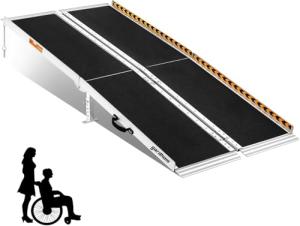
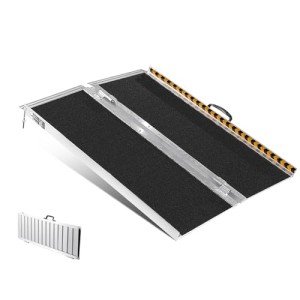
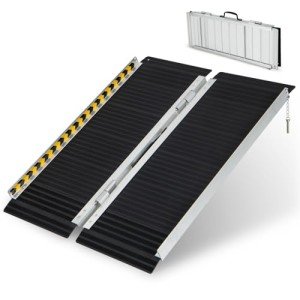
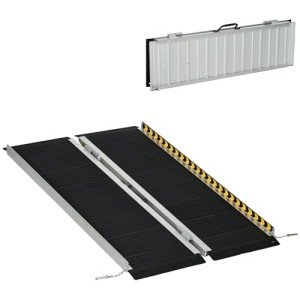
Folding Aluminum Wheelchair Ramp
Costway
Product Review Score
4.72 out of 5 stars
75 reviews£113.95 £109.95
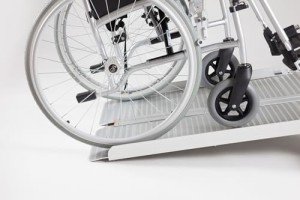
Folding Wheelchair Ramp 2-8ft
The Ramp People
Product Review Score
4.22 out of 5 stars
200 reviews£126.00
Portable Folding Wheelchair Ramp
The Ramp People
Product Review Score
4.26 out of 5 stars
23 reviews£138.00
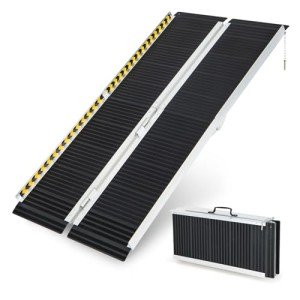
Folding Aluminum Wheelchair Ramp
Costway
Product Review Score
4.81 out of 5 stars
33 reviews£167.95 £152.95
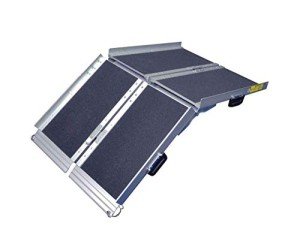
4FT Tri-Fold Wheelchair Ramp
Aidapt
Product Review Score
4.5 out of 5 stars
175 reviews£169.99 £157.37
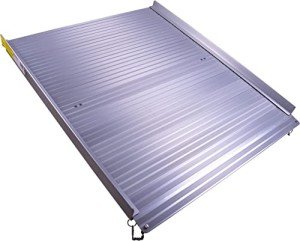
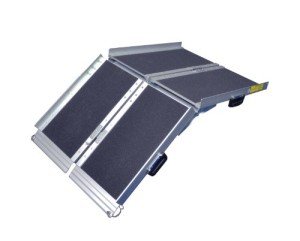
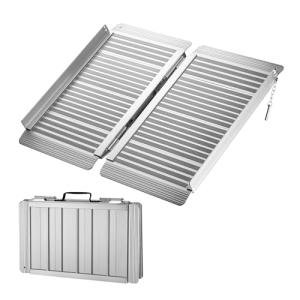
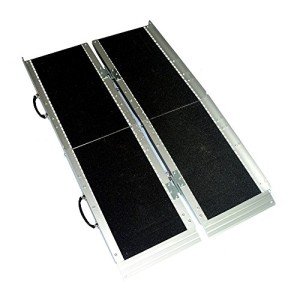
Accessibility is a fundamental component of modern infrastructure, yet many environments remain challenging for individuals with limited mobility. Whether it is a single step at a storefront or the threshold of a family home, architectural barriers can significantly hinder independence. Folding wheelchair ramps have emerged as one of the most practical and versatile solutions to these challenges. By combining strength, portability, and ease of use, these devices bridge the gap between inaccessible spaces and total mobility.
This guide explores the various facets of folding wheelchair ramps, including their types, benefits, safety standards, and how to choose the right model for specific needs.
What are Folding Wheelchair Ramps?
Folding wheelchair ramps are portable inclined planes designed to provide a smooth transition over steps, curbs, or vehicle entries. Unlike permanent concrete or wooden ramps, folding models are designed to be collapsed when not in use. Typically manufactured from high-grade, lightweight aluminum, these ramps are engineered to support significant weight while remaining light enough for a single person to transport.
The folding mechanism usually involves hinges that allow the ramp to fold in half (bi-fold) or quarters (multi-fold), often featuring a built-in handle that makes it resemble a suitcase when retracted.
Key Benefits of Folding Wheelchair Ramps
Choosing a folding ramp over a permanent installation offers several distinct advantages:
- Portability: The primary draw of a folding ramp is the ability to take accessibility on the road. They fit easily into the trunk of a car or the back of a van.
- Space Efficiency: In homes where space is limited, a permanent ramp might obstruct walkways or driveways. Folding ramps can be deployed in seconds and tucked away in a closet once the task is complete.
- Cost-Effectiveness: Permanent structural modifications can cost thousands of dollars and may require building permits. Folding ramps offer a high-quality solution at a fraction of the cost.
- No Structural Changes: For those living in rental properties or historic homes, permanent modifications are often prohibited. A portable ramp requires no drilling or construction.
- Multi-Purpose Utility: These ramps are not just for wheelchairs; they are equally effective for power scooters, walkers, and even moving heavy dollies or strollers.
Technical Specifications: Measuring for the Correct Length
One of the most critical aspects of selecting a ramp is determining the correct length to ensure a safe slope. A ramp that is too short will be too steep, creating a tipping hazard for manual wheelchairs and a risk of bottoming out for power chairs.
The Americans with Disabilities Act (ADA) recommends a 1:12 slope ratio for commercial settings, which means for every 1 inch of vertical rise, there should be 12 inches (1 foot) of ramp length. For residential use, a slightly steeper ratio of 2:12 (1 foot of ramp for every 2 inches of rise) is often acceptable, provided the user has an assistant or the power chair can handle the incline.
Table 1: Recommended Ramp Lengths Based on Rise
| Vertical Rise (Height of Step) | Recommended Length (1:12 Ratio - ADA/Self-Propelled) | Minimum Length (2:12 Ratio - With Assistance/Power Chair) |
|---|---|---|
| 4 Inches | 4 Feet | 2 Feet |
| 6 Inches | 6 Feet | 3 Feet |
| 10 Inches | 10 Feet | 5 Feet |
| 12 Inches | 12 Feet | 6 Feet |
| 18 Inches | 18 Feet | 9 Feet |
Common Types of Folding Ramps
Not all folding ramps are created equal. Manufacturers design them to meet diverse needs, from crossing high thresholds to loading vans.
1. Single-Fold (Suitcase) Ramps
These are the most common portable ramps. They fold in half lengthwise and feature a handle. They are ideal for heights of 1 to 2 steps and are favored for their simplicity.
2. Multi-Fold Ramps
Multi-fold ramps fold both lengthwise and widthwise, allowing a longer ramp (sometimes up to 10 or 12 feet) to be condensed into a manageable size. These are best for higher rises or vehicle access.
3. Threshold Ramps
While some are solid, many threshold ramps feature a small folding "flap" to accommodate slightly different heights on either side of a doorway. They are designed specifically for the small bumps at entryways.
Table 2: Comparison of Folding Ramp Designs
| Feature | Single-Fold (Suitcase) | Multi-Fold | Threshold (Folding) |
|---|---|---|---|
| Typical Lengths | 2ft - 6ft | 6ft - 12ft | 1ft - 3ft |
| Weight Capacity | 600 - 800 lbs | 500 - 800 lbs | 600 lbs |
| Best Used For | Curbs, 1-2 steps | High porches, Vans | Doorway transitions |
| Portability | High (Carry like a bag) | Moderate (Heavy but compact) | High (Lightweight) |
Essential Features to Consider
When purchasing a folding wheelchair ramp, several safety and design features should be evaluated to ensure longevity and user security.
- Weight Capacity: Most aluminum folding ramps support between 500 and 800 pounds. It is vital to calculate the combined weight of the wheelchair and the occupant.
- Surface Texture: Look for "high-traction" or "grit" surfaces. These provide grip even in wet or icy conditions. Some ramps use a "serrated" or "punched" aluminum surface which allows water and debris to fall through.
- Safety Curbs: These are the raised edges (usually 2-3 inches high) along the sides of the ramp that prevent the wheelchair wheels from slipping off the edge.
- Transition Plates: The top and bottom of the ramp should have smooth transition plates that lay flat against the ground and the upper landing to prevent jarring bumps.
- Self-Adjusting Bottom Transition Plate: This feature allows the ramp to adjust to uneven terrain, providing a more stable base.
Safety Guidelines for Usage
While folding ramps are designed for safety, improper use can lead to accidents. Following these protocols is essential:
- Ensure Level Ground: Always place the base of the ramp on a firm, level surface. Placing a ramp on soft grass or gravel can lead to shifting.
- Secure the Ramp: Many folding ramps come with "clevis pins" or security straps. Use these to anchor the top of the ramp to the porch or vehicle to prevent it from sliding backward.
- Check the Incline: Never exceed the manufacturer's recommended slope angle.
- Maintain the Surface: Keep the ramp free of oil, grease, leaves, or snow. Even high-traction surfaces can become slippery if covered in debris.
- Centering: Always ensure the wheelchair is centered on the ramp before beginning the ascent or descent.
Frequently Asked Questions (FAQ)
1. Can folding ramps be used for power wheelchairs and scooters?
Yes, most high-quality folding ramps are designed to handle the weight of power wheelchairs and scooters. However, it is crucial to verify that the ramp's weight capacity exceeds the combined weight of the user and the motorized device.
2. Are folding wheelchair ramps weather-resistant?
Most are made from aircraft-grade aluminum, which is naturally resistant to rust and corrosion. This makes them suitable for outdoor use in various climates. However, the traction tape or grip material may wear down over several years and might require replacement.
3. How wide are these ramps?
Standard folding ramps are typically around 29 to 30 inches wide. This accommodates most standard manual and power wheelchairs. If a wider chair is being used, "bariatric" folding ramps are available with widths up to 36 inches.
4. Can one person set up a folding ramp?
In most cases, yes. Smaller single-fold ramps (up to 5 or 6 feet) are light enough for most adults to carry and unfold. Longer multi-fold ramps can be heavier (40–60 lbs) and may require two people or a very sturdy individual to position safely.
5. Are these ramps covered by insurance?
In many cases, health insurance or Medicare considers portable ramps "convenience items" rather than "medical necessity" and may not cover them. However, some long-term care insurance policies or veteran assistance programs (VA) may provide coverage.
Folding wheelchair ramps represent a perfect intersection of engineering and accessibility. They provide a temporary yet robust solution for overcoming physical barriers, offering users the freedom to visit friends, travel, and navigate their own homes with confidence.
By understanding the necessary slope ratios, selecting the appropriate folding design, and prioritizing safety features like high-traction surfaces and side curbs, one can significantly improve the quality of life for those with mobility challenges. While they may seem like simple tools, the independence they provide is immeasurable.