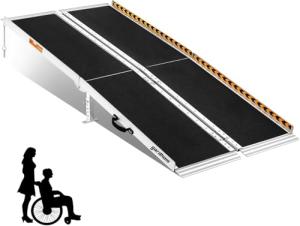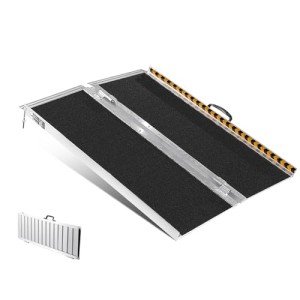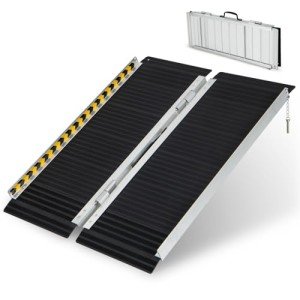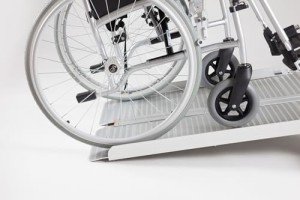

For individuals who rely on mobility scooters, the world is often filled with small but significant obstacles. A single step, a high curb, or the threshold of a van can turn an easy outing into a logistical challenge. While permanent infrastructure is slowly improving, the need for a portable, reliable solution remains paramount. This is where the folding suitcase style ramp comes into play. Combining durability with extreme portability, these ramps have become an essential accessory for scooter users seeking to maintain their independence.
This guide explores the design, benefits, safety considerations, and selection criteria for folding suitcase style ramps, providing a detailed overview for users and caregivers alike.
What is a Folding Suitcase Style Ramp?
A folding suitcase style ramp is a portable walkway designed specifically to bridge the gap between two different elevations. Unlike permanent ramps made of concrete or wood, these are engineered from lightweight materials—typically aircraft-grade aluminum—and feature a central longitudinal hinge.
The name "suitcase style" is derived from its unique folding mechanism. When not in use, the ramp folds in half lengthwise. Most models include a built-in handle, allowing it to be carried like a briefcase. This design allows the ramp to be stored easily in the trunk of a car, a closet, or behind a seat, making it ready for deployment at a moment’s notice.
Key Features and Benefits
The popularity of the suitcase style ramp stems from its functional design. Below are the primary advantages of incorporating this tool into a mobility routine:
1. Portability and Storage
The primary benefit is mobility. Because most of these ramps are made of aluminum, they offer a high strength-to-weight ratio. They are light enough for many adults to lift and position without additional help, yet strong enough to support hundreds of pounds.
2. Enhanced Safety Surfaces
To prevent the wheels of a mobility scooter from slipping—especially in damp or rainy conditions—manufacturers apply high-traction surfaces. These often include:
- Grit Surfaces: A sandpaper-like texture applied to the metal.
- Serrated Treads: Grooves cut into the aluminum to provide mechanical grip.
- Safety Curbs: Raised edges on either side of the ramp to prevent the scooter from veering off the edge.
3. Ease of Deployment
Unlike modular ramp systems that require assembly, a suitcase ramp is a single unit. One simply unfolds it and places the "lip" or transition plate onto the upper surface. This makes it ideal for visiting friends, entering shops with a single step, or loading scooters into SUVs.
Technical Specifications: Choosing the Right Model
When selecting a ramp, technical specifications are more than just numbers; they determine safety and compatibility. The following table provides a general overview of standard specifications found in the industry.
Typical Suitcase Ramp Specifications
| Ramp Length | Weight Capacity | Average Product Weight | Best Used For |
|---|---|---|---|
| 2 Feet | 600 - 800 lbs | 10 - 12 lbs | Curbs and low thresholds (1-4 inches) |
| 3 Feet | 600 - 800 lbs | 15 - 18 lbs | Single steps (4-6 inches) |
| 4 Feet | 600 - 800 lbs | 20 - 25 lbs | 1-2 steps (6-8 inches) |
| 5 Feet | 500 - 800 lbs | 26 - 30 lbs | 2 steps or low SUV entries (8-10 inches) |
| 6 Feet | 500 - 800 lbs | 30 - 35 lbs | 2-3 steps or standard vehicle entry (10-12 inches) |
Note: Always check the specific manufacturer’s rating, as weight capacities vary based on material thickness and design.
The Importance of Ramp Slope and "The Rise"
One of the most common mistakes when purchasing a folding ramp is choosing one that is too short. A ramp that is too short for the "rise" (the vertical height of the obstacle) will create an incline that is too steep. A steep incline can cause a mobility scooter to tip backward or exhaust the motor.
Determining the Required Length
To find the right length, the user must first measure the Rise. This is the vertical distance from the ground to the top of the step or vehicle floor.
- ADA Guidelines (1:12 Ratio): For every 1 inch of rise, you need 12 inches (1 foot) of ramp. This is the safest standard but often results in very long ramps that may not be practical for portable use.
- Portable Use Standard (2:12 Ratio): Many manufacturers recommend a "2:12" slope for occupied scooters. This means for every 2 inches of rise, you need 1 foot of ramp.
- Maximum Slope Limit: Most power scooters and wheelchairs should never exceed a 3:12 slope (1 foot of ramp for every 3 inches of rise) for safety.
Formula List for Ramp Length:
- For a 6-inch step (Conservative): 6-foot ramp.
- For a 6-inch step (Standard Portable): 3-foot to 4-foot ramp.
- For a 12-inch SUV loading height: 6-foot ramp (minimum).
Safety Considerations for Daily Use
While suitcase ramps are designed for convenience, they must be used with caution. The third-person perspective on safety emphasizes that the user's center of gravity changes significantly on an incline.
Critical Safety Checklists:
Before Use:
- Inspect the Hinges: Ensure the center hinge is clear of debris and fully locked in the open position.
- Check the Surface: Ensure the ramp is dry and free of oil or ice.
- Verify Capacity: Confirm the combined weight of the scooter and the occupant does not exceed the ramp’s rated limit.
During Use:
- Center Alignment: The scooter should be centered perfectly on the ramp path.
- Steady Pace: Maintain a slow, consistent speed. Sudden stops or starts on an incline can cause the scooter to lose traction or tip.
- Attendant Presence: If the incline is steep, it is advisable to have an attendant standby to assist.
Maintenance and Longevity
To ensure a suitcase ramp remains a reliable tool for years, a basic maintenance routine should be followed. Aluminum ramps are naturally resistant to rust, but they are not maintenance-free.
- Cleaning: Use a mild detergent and water to remove dirt or salt from the traction surface. Built-up grime can make the ramp slippery.
- Hardware Inspection: Periodically check the bolts and the handle attachment. Vibration from transport can occasionally loosen fasteners.
- Hinge Lubrication: If the folding mechanism becomes stiff, a small amount of silicone-based lubricant can be applied to the hinge pin. Avoid oil-based lubricants that might attract dirt.
Summary of Usage Scenarios
Suitcase style ramps are versatile, but they excel in specific environments:
- Vehicle Access: Loading a scooter into the rear or side of a minivan or SUV.
- Home Entry: Navigating the one or two steps often found at the front doors of private residences.
- Public Outings: Providing a solution for "legacy" buildings that have a single-step entry but no permanent ramp.
- Travel: Their ability to fold makes them air-travel friendly (though they are usually checked as luggage) and perfect for road trips.
Frequently Asked Questions (FAQ)
Q: Can these ramps be used for manual wheelchairs as well?
A: Yes. These ramps are generally universal and can accommodate manual wheelchairs, power wheelchairs, and mobility scooters. However, manual wheelchair users may require more momentum or an assistant if the ramp is short and the incline is steep.
Q: Are suitcase ramps permanent?
A: No, they are designed for portable and temporary use. While some models come with pre-drilled holes to secure them to a surface with pins or bolts, they are not intended to replace permanent, code-compliant ADA structures for long-term residency.
Q: How much weight can a suitcase ramp actually hold?
A: Most standard aluminum suitcase ramps are rated for 600 to 800 lbs. This rating includes the weight of the mobility device plus the weight of the person sitting in it. Always verify the specific weight capacity on the product label.
Q: Will a 3-foot ramp fit in my car?
A: Because suitcase ramps fold in half lengthwise, a 3-foot ramp will be 3 feet long but only about 15 inches wide when folded. Most will easily fit in a backseat or trunk.
Q: Can these ramps be used in the rain?
A: Yes. Most feature a high-traction surface like grit or serrated aluminum specifically to handle moisture. However, users should always exercise extra caution and move at a slower speed during inclement weather.
The folding suitcase style ramp is a vital bridge to accessibility. By providing a portable transition over steps and curbs, it empowers mobility scooter users to navigate the world with fewer restrictions. When selecting a ramp, prioritizing the correct length for the rise and ensuring a high weight capacity will guarantee both safety and ease of use. For the modern scooter user, it is not just a piece of hardware—it is a key to continued independence.