Lightweight wheelchairs are a game changer for anyone who needs a little extra help getting around. They’re easy to maneuver, transport, and store, making life a whole lot simpler. Whether you’re heading out for a day of errands or visiting friends, these chairs provide comfort and freedom without weighing you down.
Lightweight Wheelchairs
Discover comfort and convenience with our range of lightweight wheelchairs designed for easy mobility
Product List
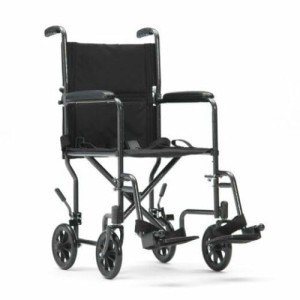
Angel Mobility Folding Chair
Angel Mobility
Product Review Score
4.38 out of 5 stars
35 reviews$90.66
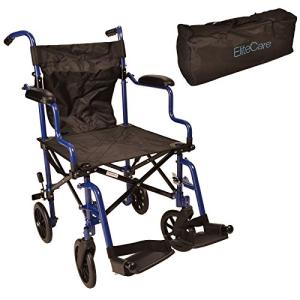
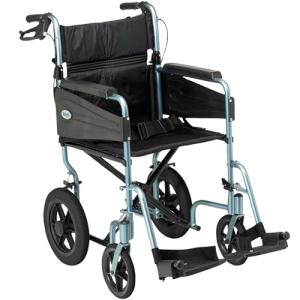
Escape Lite Comfort Wheelchair
Days Mobility
Product Review Score
4.7 out of 5 stars
74 reviews$226.81 $206.74
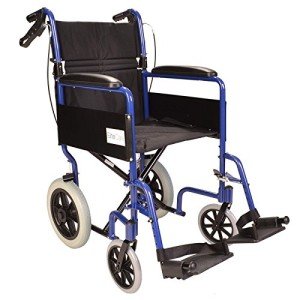
Folding Aluminum Travel Wheelchair
Elite Care
Product Review Score
4.28 out of 5 stars
76 reviews$219.99
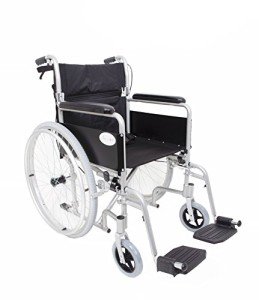
Silver Compact Folding Wheelchair
Angel Mobility
Product Review Score
4.84 out of 5 stars
90 reviews
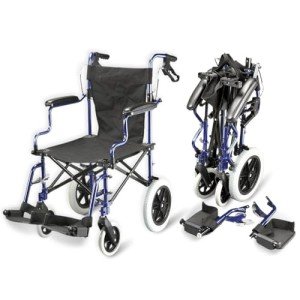
Folding Travel Wheelchair with Brakes
Elite Care
Product Review Score
4.39 out of 5 stars
121 reviews$279.99
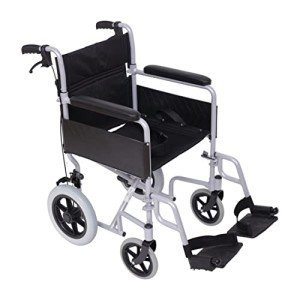
Portable Folding Wheelchair - 11kg
Angel Mobility
Product Review Score
4.39 out of 5 stars
25 reviews
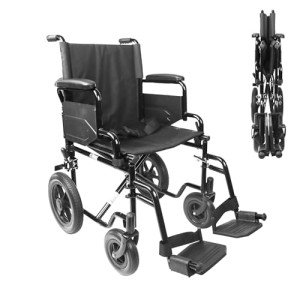
Travel-Friendly Lightweight Wheelchair
Pepe Mobility
Product Review Score
4.97 out of 5 stars
35 reviews$259.99
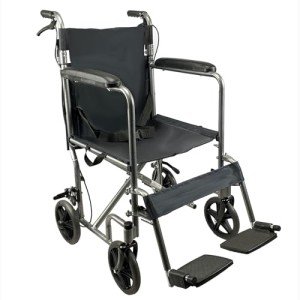
Folding Lightweight Wheelchair
Free To Be Mobility Equipment
Product Review Score
4.22 out of 5 stars
213 reviews$88.05
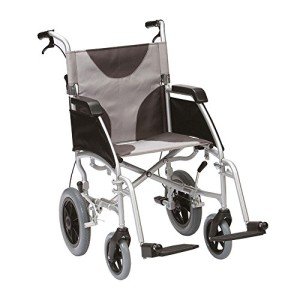
Lightweight Enigma Wheelchair 17
Devilbiss Healthcare
Product Review Score
4.7 out of 5 stars
108 reviews$255.01 $236.05
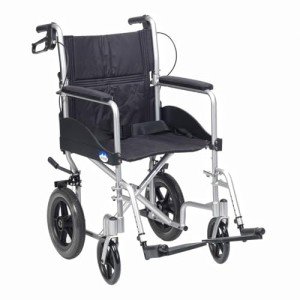
Drive Devilbiss Folding Scooter
Devilbiss Healthcare
Product Review Score
4.51 out of 5 stars
139 reviews$266.85
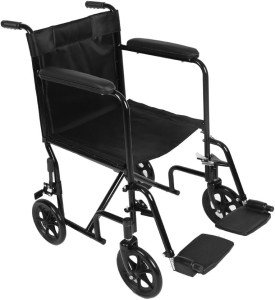
Lightweight Folding Travel Wheelchair
Panana
Product Review Score
4.4 out of 5 stars
23 reviews$93.38
Mobility is a fundamental aspect of human independence. For individuals with limited mobility, the wheelchair is not just a piece of medical equipment; it is an extension of the body and a gateway to the world. Over the last few decades, the medical device industry has undergone a significant transformation, moving away from heavy, cumbersome steel structures toward sleek, aerodynamic, and highly portable designs. Lightweight wheelchairs have emerged as the gold standard for those seeking a balance between durability and ease of use.
This guide explores the intricacies of lightweight wheelchairs, the materials that make them possible, and the critical factors one should consider when selecting the ideal model.
Defining the Lightweight Wheelchair
In the clinical and manufacturing world, wheelchairs are generally categorized by their weight. While a standard manual wheelchair typically weighs 35 pounds or more, a "lightweight" wheelchair generally falls between 29 and 34 pounds. Pushing the boundaries even further, "ultra-lightweight" chairs often weigh less than 25 pounds, with some high-end carbon fiber models weighing as little as 10 to 12 pounds.
The weight of a wheelchair is measured based on the frame; accessories such as footrests, cushioning, and armrests often add a few additional pounds. Despite these additions, the difference in maneuverability between a 45-pound steel chair and a 10-pound carbon fiber chair is profound, impacting everything from joint health to ease of transport.
Materials Matter: The Science of Weight Reduction
The primary factor determining a wheelchair’s weight is the material used in its frame. Manufacturers utilize advanced metallurgy and chemistry to provide strength without the bulk.
1. Aluminum
Aluminum is the most common material for lightweight wheelchairs. It offers an excellent strength-to-weight ratio and is naturally resistant to corrosion. High-grade aircraft aluminum (such as 6061 or 7005 series) allows for a frame that is both rigid and easy to lift.
2. Titanium
Titanium is prized for its "strength-to-weight" superiority over aluminum. It is significantly lighter and stronger, allowing for thinner tube walls. A unique property of titanium is its ability to dampen vibrations, providing a smoother ride over uneven surfaces like cobblestones or cracked sidewalks.
3. Carbon Fiber
Carbon fiber represents the pinnacle of wheelchair technology. It is composed of thin filaments of carbon twisted together and woven into a fabric, then set in resin. Carbon fiber is incredibly stiff and virtually weightless. While it is the most expensive option, it offers unparalleled performance for active users who spend the majority of their day in their chairs.
Table 1: Comparison of Wheelchair Frame Materials
| Feature | Aluminum | Titanium | Carbon Fiber |
|---|---|---|---|
| Weight | Light | Very Light | Ultra-Light |
| Durability | High | Extremely High | High (but brittle on impact) |
| Vibration Dampening | Low | High | Moderate |
| Price Range | Affordable to Mid-range | Premium | Luxury |
| Best For | Daily use/General mobility | Active users/Rough terrain | Maximum performance/Travel |
Types of Lightweight Wheelchairs
Not all lightweight wheelchairs are designed for the same purpose. Understanding the configuration is essential for choosing a model that fits a specific lifestyle.
Transport Wheelchairs
Designed for short-term use, transport chairs feature four small wheels and require an attendant to push the user. Because they lack large rear wheels, they are among the lightest options available, making them ideal for trips to the doctor or shopping centers.
Folding Lightweight Wheelchairs
These chairs feature a "cross-brace" frame that allows the chair to collapse side-to-side. This is highly beneficial for users who frequently travel by car, as the chair can easily fit into a trunk or backseat. However, the folding mechanism adds a small amount of weight and can make the chair feel less "responsive" during propulsion.
Rigid Lightweight Wheelchairs
In a rigid chair, the frame is a solid unit. While the backrest may fold down for storage, the frame does not collapse. This design is preferred by active users because it maximizes energy efficiency; every ounce of effort put into the wheels translates into forward motion, as there are no moving parts in the frame to absorb the energy.
Key Benefits of Choosing Lightweight Models
The decision to invest in a lightweight or ultra-lightweight wheelchair offers several long-term advantages:
- Reduced Physical Strain: Propelling a heavy chair puts significant stress on the rotator cuffs and wrists. Lightweight models reduce the risk of repetitive strain injuries.
- Energy Conservation: Users can travel further and participate in more activities before becoming fatigued.
- Caregiver Support: For those who cannot propel themselves, a lightweight chair reduces the physical burden on caregivers when navigating hills or lifting the chair into a vehicle.
- Improved Maneuverability: A lighter chair has a smaller turning radius and reacts more quickly to user input, making it easier to navigate tight indoor spaces.
Factors to Consider Before Purchasing
Selecting a wheelchair is a highly individualized process. It is often recommended to consult with a physical or occupational therapist to ensure the specifications meet the user’s physiological needs.
1. Seat Dimensions and Ergonomics
The seat width and depth must be precise. A seat that is too wide offers poor support, while a seat that is too narrow can cause pressure sores. Ergonomic seating helps maintain spinal alignment and prevents long-term postural issues.
2. Adjustability
Higher-end lightweight wheelchairs offer adjustable axles. Moving the rear wheels forward or backward changes the center of gravity. A forward center of gravity makes the chair easier to "wheelie" over curbs and more responsive, whereas a rearward position provides more stability.
3. Component Selection
Weight can be further reduced by choosing specific components:
- Wheels: Spoke wheels are generally lighter than "mag" (plastic) wheels.
- Upholstery: Tension-adjustable upholstery provides support without the weight of a solid backrest.
- Footrests: Fixed footrests are lighter than swing-away versions, though they may make transfers more difficult.
Maintenance and Care
To ensure the longevity of a lightweight wheelchair, regular maintenance is required. Because these chairs are often made of high-performance materials, keeping them in top condition is vital for safety.
- Tire Pressure: Pneumatic tires must be kept at the recommended PSI to ensure the chair remains easy to push.
- Cleaning the Axles: Hair and lint can wrap around the wheel axles, creating friction. Regular cleaning ensures a smooth roll.
- Tightening Bolts: Vibrations from daily use can loosen nuts and bolts. A weekly check of the frame’s integrity is advised.
- Upholstery Inspection: Over time, fabric can sag. Replacing upholstery when it loses its tension is important for maintaining proper posture.
Frequently Asked Questions (FAQ)
1. Does insurance cover lightweight wheelchairs?
Most insurance providers, including Medicare, cover standard manual wheelchairs. However, "ultra-lightweight" or carbon fiber models often require a specific medical justification (e.g., the user is at high risk for upper-body injury or has limited strength) to be covered.
2. Are lightweight wheelchairs as durable as heavy steel ones?
Yes. Modern alloys and carbon fibers are engineered to be high-strength. While a steel chair might bend under extreme stress, a titanium or high-grade aluminum frame is designed to withstand daily use for many years without compromising structural integrity.
3. Can lightweight wheelchairs be used on uneven terrain?
Absolutely. Many ultra-lightweight rigid chairs are specifically designed for an active lifestyle, including outdoor use. Users may opt for wider "mountain bike" style tires for better traction on grass or gravel.
4. What is the difference between a transport chair and a lightweight manual chair?
A transport chair has four small wheels and must be pushed by another person. A manual wheelchair has large rear wheels with handrims, allowing the user to self-propel.
5. How long does a lightweight wheelchair typically last?
With proper maintenance, a high-quality lightweight wheelchair can last 5 to 10 years. The frame usually outlasts the moving parts like wheels, bearings, and upholstery, which can be replaced as needed.
The shift toward lightweight wheelchairs represents a marriage of medical necessity and engineering excellence. By reducing the physical toll on the body and increasing the ease of transport, these devices offer users a higher degree of freedom and a more active lifestyle. Whether choosing the affordability of aluminum or the high-octane performance of carbon fiber, the modern wheelchair user has more options than ever to find a chair that perfectly suits their world.