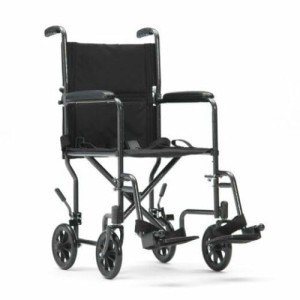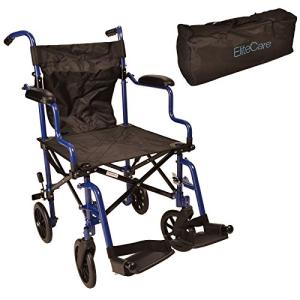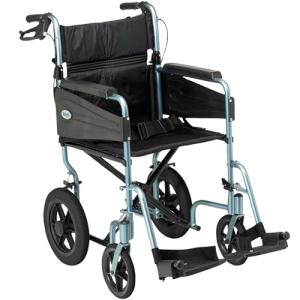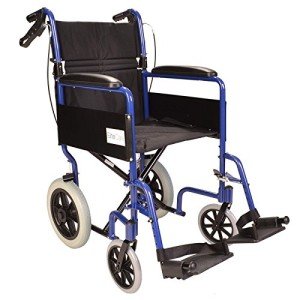

For individuals with limited mobility, the desire to explore new destinations, visit family, or simply navigate a shopping mall should not be hindered by heavy, cumbersome equipment. The innovation of the lightweight folding travel wheelchair has revolutionized the way people with mobility challenges interact with the world. Specifically, models equipped with handbrakes offer an added layer of safety and control that is indispensable for both the user and the caregiver.
This comprehensive guide explores the features, benefits, and technical considerations of lightweight folding travel wheelchairs with handbrakes, providing readers with the information necessary to make an informed purchase.
The Evolution of Travel Mobility
Traditionally, wheelchairs were heavy, rigid structures designed primarily for durability within clinical settings. However, the modern traveler requires equipment that is as dynamic as their itinerary. The shift towards aluminum alloys and carbon fiber materials has allowed manufacturers to reduce the weight of wheelchairs significantly—often to under 20 pounds—without sacrificing structural integrity.
A lightweight folding travel wheelchair is designed specifically for portability. These chairs are often categorized as "transport chairs" or "manual travel chairs." Unlike standard manual wheelchairs with large rear wheels meant for self-propelling, travel chairs typically feature four smaller wheels, requiring a companion or caregiver to push. This design reduces the overall footprint, making it easier to navigate narrow airplane aisles and crowded tourist attractions.
Why Handbrakes are a Critical Feature
While many basic wheelchairs come with standard wheel locks (which keep the chair stationary when parked), travel-specific models often feature "attendant handbrakes" located on the push handles. These are vital for several reasons:
- Safety on Inclines: Traveling often involves navigating ramps, hills, or uneven pavement. Handbrakes allow the caregiver to control the speed of the wheelchair during descents, preventing the chair from "running away" and reducing the physical strain on the person pushing.
- Instantaneous Stopping Power: In busy environments like airports or train stations, the ability to stop suddenly is essential to avoid collisions.
- Caregiver Ergonomics: Constant bracing to slow down a wheelchair manually can lead to wrist and back strain. Handbrakes distribute this mechanical load, making long outings more sustainable for caregivers.
Key Comparison: Wheelchair Types at a Glance
Choosing the right mobility aid depends on the user's specific needs. The following table compares three common types of manual mobility devices.
Table 1: Wheelchair Category Comparison
| Feature | Standard Manual Wheelchair | Lightweight Folding Travel Chair | Heavy-Duty (Bariatric) Chair |
|---|---|---|---|
| Average Weight | 35 – 45 lbs | 15 – 25 lbs | 50+ lbs |
| Primary Use | Daily self-propulsion | Travel and short trips | Users requiring high weight capacity |
| Folding Ability | Collapsible frame | Ultra-compact/Fold-down back | Limited folding |
| Wheel Size | Large rear wheels (24") | Small, uniform wheels (8"-12") | Reinforced large wheels |
| Handbrakes | Usually wheel locks only | Attendant handbrakes + Locks | Heavy-duty wheel locks |
| Best For | Independent users | Portability and transport | Durability and support |
Essential Features to Consider
When selecting a lightweight folding travel wheelchair with handbrakes, several technical specifications must be evaluated to ensure comfort and functionality.
1. Frame Material
Aluminum is the gold standard for travel chairs. It provides a high strength-to-weight ratio and is resistant to rust, which is beneficial for those traveling to humid or coastal climates.
2. Folding Mechanism
The best travel chairs feature a "one-touch" or quick-release folding mechanism. Many models also include a "half-folding backrest," which allows the top half of the seatback to fold down, making the chair compact enough to fit into a small car trunk or even a large suitcase.
3. Seat Dimensions and Comfort
While travel chairs are meant for short-term use, comfort should not be ignored. Users should look for:
- Seat Width: Usually ranging from 16 to 20 inches.
- Upholstery: Nylon or breathable mesh is preferable over vinyl, as it prevents overheating during long periods of sitting.
4. Wheel Type
- Solid Rubber/Polyurethane: These are puncture-proof and maintenance-free, ideal for smooth surfaces like airports and hotels.
- Pneumatic (Air-filled): These provide better shock absorption on rougher outdoor terrain but require a pump and are susceptible to flats.
Technical Specifications Checklist
Before finalizing a purchase, users and caregivers should verify the following specifications:
- Weight Capacity: Most lightweight chairs support up to 250–300 lbs. Ensure the chair matches the user's weight for safety.
- Overall Width: The chair must be narrow enough to pass through standard doorways (typically 24–32 inches).
- Footrests: Removable or "swing-away" footrests make it easier for the user to get in and out of the chair.
- Armrests: Padded armrests are essential. "Desk-length" armrests allow the user to sit closer to tables or desks.
Tips for Traveling with a Lightweight Wheelchair
Success in travel often comes down to preparation. Here is a list of best practices for those taking their wheelchair on the road:
For Air Travel:
- Gate Checking: Most airlines allow travelers to "gate check" their wheelchair. This means the user can stay in their chair until they reach the aircraft door.
- Identification: Attach a luggage tag with contact information directly to the wheelchair frame.
- Remove Loose Parts: Before handing the chair to baggage handlers, remove the footrests and any seat cushions to prevent them from being lost in transit.
For Road Trips:
- Measure Your Trunk: Even though these chairs are "folding," it is vital to measure the folded dimensions against the vehicle's storage space.
- Secure the Load: Ensure the wheelchair is secured in the vehicle so it does not shift during sudden stops.
Table 2: Recommended Dimensions for User Comfort
| User Height/Weight | Recommended Seat Width | Recommended Seat Depth |
|---|---|---|
| Petite (Under 5'2") | 16 inches | 14 – 15 inches |
| Average (5'3" – 5'11") | 18 inches | 16 inches |
| Large/Tall (6'0"+) | 20+ inches | 18+ inches |
Maintenance for Longevity
To ensure the handbrakes and folding mechanisms continue to function correctly, regular maintenance is required:
- Brake Inspection: Monthly checks should ensure the handbrakes engage firmly and do not slip.
- Cleaning: Wipe down the frame after use in rain or snow to prevent debris from clogging the folding joints.
- Tire Check: Inspect wheels for signs of wear or embedded debris that could affect the smoothness of the ride.
Frequently Asked Questions (FAQ)
Q: Can a user propel themselves in a travel wheelchair with handbrakes?A: Generally, no. Most lightweight travel wheelchairs are "transport chairs" with small wheels, meaning they require an attendant to push from behind. For self-propulsion, a standard manual wheelchair with large rear wheels is necessary.
Q: Are lightweight folding wheelchairs covered by insurance or Medicare?A: In many cases, insurance may cover a portion of the cost if a doctor deems it "medically necessary." However, travel-specific chairs are sometimes classified as "convenience items," so it is essential to check with your provider beforehand.
Q: Can these chairs be used on gravel or sand?A: Lightweight chairs with small wheels are primarily designed for flat, hard surfaces. While they can handle short distances on firm gravel, they are not suitable for deep sand or rugged hiking trails.
Q: How do I know if the handbrakes are "attendant" or "user" brakes?A: On travel chairs, handbrakes are almost always "attendant" brakes, located on the push handles for the caregiver. User-operated brakes are typically found on the side of the seat frame and function as parking locks.
Q: Is there a weight limit for the person pushing the chair?A: There is no specific weight limit for the pusher, but the combined weight of the user and the chair should be manageable for the caregiver, especially when using the handbrakes on a slope.
The lightweight folding travel wheelchair with handbrakes represents a perfect marriage of safety and convenience. By prioritizing a frame that is easy to transport and a braking system that protects both the user and the caregiver, families can reclaim the joy of travel. Whether it is navigating the terminal of a busy airport or enjoying a stroll through a historical park, the right equipment ensures that the focus remains on the journey, not the obstacles. When selecting a model, remember to prioritize aluminum construction, check the folded dimensions, and always ensure the weight capacity aligns with the user's requirements.