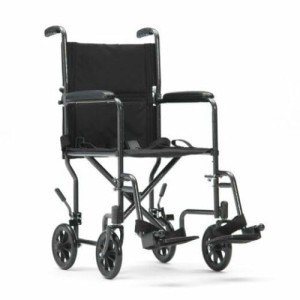
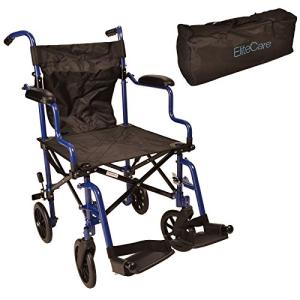
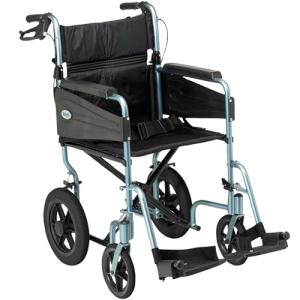
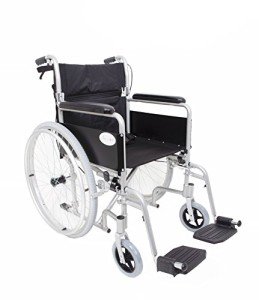
For individuals with limited mobility and their caregivers, the desire to explore the world—whether it is a trip to the local mall or a flight across the ocean—should not be hindered by heavy, cumbersome equipment. The innovation of the Lightweight Folding Aluminium Travel Wheelchair with Handbrakes has revolutionized personal mobility, offering a bridge between functional necessity and the freedom of movement.
This guide explores the intricate details, benefits, and technical specifications of these specialized wheelchairs, providing a comprehensive resource for those looking to invest in a more portable lifestyle.
The Evolution of Mobility: Why Aluminium Matters
In the past, wheelchairs were primarily constructed from heavy steel. While durable, these frames were difficult to lift into vehicle trunks and taxing for caregivers to push over long distances. The shift toward aluminium alloy has changed the landscape of the mobility industry.
Aluminium provides a high strength-to-weight ratio. It is naturally resistant to corrosion, making it ideal for various weather conditions encountered during travel. A typical aluminium travel wheelchair weighs significantly less than its steel counterparts—often ranging between 9kg to 13kg (20lbs to 28lbs)—without sacrificing the structural integrity required to support adult weight capacities.
Key Features of a Premium Travel Wheelchair
When selecting a travel wheelchair, certain features distinguish a high-quality model from a generic one. Understanding these components helps users make an informed decision.
1. Dual Braking Systems
Most standard wheelchairs feature "manual wheel locks" located near the tires. However, a dedicated travel wheelchair often includes caregiver handbrakes (also known as attendant brakes). Located on the push handles, these allow the person pushing the chair to control the speed on inclines and lock the chair securely during transfers.
2. Compact Folding Mechanism
A travel wheelchair is defined by its ability to disappear when not in use. Many models feature a "half-folding backrest," which allows the top half of the chair to fold down, reducing the overall height by nearly 50%. This makes it possible to fit the chair into the smallest of car trunks or even overhead airplane compartments on certain carriers.
3. Comfortable Ergonomics
Despite being lightweight, comfort is not overlooked. Features typically include:
- Padded Upholstery: Breathable nylon or double-layer fabrics.
- Swing-Away Footrests: These allow for easy entry and exit from the chair.
- Fixed or Flip-up Armrests: Providing side support or allowing the user to sit closer to a table.
Technical Specifications at a Glance
For many, the decision comes down to the numbers. Below is a specification table representing a standard high-quality aluminium travel wheelchair.
Table 1: Typical Specifications
| Feature | Specification (Average) |
|---|---|
| Frame Material | High-Grade Aluminium Alloy |
| Total Weight | 9.5 kg – 12 kg (Approx. 21 – 26 lbs) |
| Weight Capacity | 100 kg – 120 kg (220 – 265 lbs) |
| Seat Width Options | 16", 18", or 20" |
| Folded Dimensions | 75cm x 25cm x 70cm |
| Front Wheel Size | 6" or 8" Solid PVC |
| Rear Wheel Size | 12" or 20" (Solid or Pneumatic) |
| Brake Type | Attendant Handbrakes + Manual Wheel Locks |
Comparing Travel Wheelchairs vs. Standard Wheelchairs
It is important to understand that a "Travel Wheelchair" (often referred to as a Transport Chair) is different from a standard self-propelled wheelchair.
Table 2: Functional Comparison
| Feature | Standard Wheelchair | Lightweight Travel Wheelchair |
|---|---|---|
| Primary Use | Daily independent use | Travel, short trips, outings |
| Propulsion | Self-propelled (large wheels) | Attendant-pushed (small rear wheels) |
| Portability | Moderate (Heavy to lift) | High (Very lightweight) |
| Frame Weight | 15 kg – 20 kg | 9 kg – 12 kg |
| Storage | Occupies significant space | Highly compact/folding |
| Handbrakes | Rare (usually only wheel locks) | Standard on high-quality models |
The Benefits of Handbrakes for Caregivers
Safety is the paramount concern when navigating uneven terrain. While manual wheel locks are excellent for keeping a chair stationary, they are impractical for slowing down while in motion.
- Hill Descent Control: When walking down a ramp or a sloped sidewalk, the caregiver can lightly squeeze the handbrakes to prevent the chair from "running away."
- Reduced Physical Strain: Caregivers do not have to use their body weight to hold the chair back, reducing the risk of back or wrist strain.
- Parking Safety: Most handbrakes come with a "lock" feature that functions as a parking brake, ensuring the chair stays put during passenger transfers.
Traveling by Air with an Aluminium Wheelchair
One of the most common questions regarding lightweight wheelchairs is how they handle air travel.
- Gate Checking: Most airlines allow users to use their wheelchair up to the aircraft door. The lightweight aluminium frame makes it easy for ground crew to handle, reducing the risk of damage.
- On-Board Storage: Some ultra-compact models meet IATA requirements for storage in the cabin's coat closet, though this must be checked with the airline in advance.
- Durability: Unlike carbon fiber, which can be brittle if mishandled, aluminium is resilient to the bumps and knocks of baggage handling.
Maintenance and Care Tips
To ensure the longevity of a lightweight travel wheelchair, regular maintenance is required. Because these chairs are often moved in and out of vehicles, they are subject to more "wear and tear" than stationary equipment.
- Check the Fasteners: Monthly, ensure that all bolts and nuts are tight. Vibrations from travel can occasionally loosen them.
- Clean the Upholstery: Use a damp cloth and mild soap. Most travel chairs use nylon, which is stain-resistant but can harbor odors if not cleaned.
- Inspect the Tires: Since most travel wheelchairs use solid (airless) tires, you don't need to worry about flats. However, check for debris or hair tangled in the axles, which can impede smooth rolling.
- Lubricate the Joints: Use a silicone-based lubricant on the folding cross-brace to ensure the chair opens and closes smoothly.
Checklist: What to Look for Before Buying
If you are in the market for a lightweight aluminium travel wheelchair, use the following checklist to ensure the model meets your needs:
- Weight: Can the primary caregiver lift this weight into a car trunk comfortably?
- Seat Width: Is the seat wide enough for the user (considering winter coats or cushions)?
- Braking: Does it have both manual wheel locks and attendant handbrakes?
- Footrests: Are they removable or swing-away for easier transport?
- Warranty: Does the manufacturer offer a warranty on the aluminium frame?
- Tires: Are the tires "no-flat" solid rubber or PVC?
The Lightweight Folding Aluminium Travel Wheelchair with Handbrakes represents a significant leap forward in inclusive design. By prioritizing weight reduction and safety features like attendant brakes, manufacturers have empowered families to maintain an active lifestyle regardless of mobility challenges.
Whether it’s navigating the narrow aisles of a museum, strolling through a park, or catching a cross-continental flight, the right wheelchair serves as a tool for liberation. Choosing a model with a sturdy aluminium frame and reliable handbrakes ensures that safety and portability go hand-in-hand.
Frequently Asked Questions (FAQ)
1. Can the user propel themselves in a travel wheelchair?
Most travel wheelchairs have smaller rear wheels (8" to 12"), meaning they are designed to be pushed by an attendant. If the user needs to propel themselves, they would require a "Lightweight Self-Propelled" model with larger 24" wheels, which is generally slightly heavier.
2. Is aluminium strong enough for heavier users?
Yes. Modern aluminium alloys used in medical equipment are incredibly strong. Many aluminium travel chairs are rated to support up to 120kg (approx. 265lbs). Always check the specific weight capacity of the model before purchasing.
3. How do I fold the wheelchair for travel?
Most models require you to first remove or swing away the footrests. Then, pull up on the center of the seat upholstery. Finally, locate the levers on the backrest handles to fold the top half of the chair down.
4. Are these wheelchairs comfortable for all-day use?
While travel wheelchairs are designed for portability, many come with padded seats. However, they are generally intended for "transport"—moving from point A to point B. For someone sitting in a chair for 8+ hours a day, a specialized orthopedic or custom-contoured manual wheelchair may be more appropriate.
5. Can I take this wheelchair on a bus or train?
Absolutely. The compact footprint of a travel wheelchair makes it much easier to navigate the tight aisles and designated "mobility spaces" on public transportation compared to large power chairs or standard steel manual chairs.