Rollator walkers are a fantastic option if you need a little extra support while getting around. They’re not just sturdy but come with wheels that make moving smoother and easier than traditional walkers. With built-in brakes and comfy seats, they’re perfect for taking a breather whenever you need it.
Rollator Walkers
Explore our range of sturdy and reliable rollator walkers designed to enhance your mobility and independence
Product List
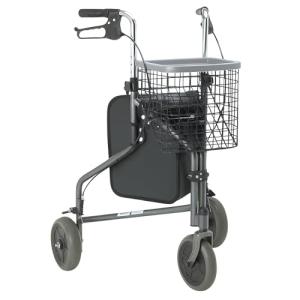
Ultra Lightweight 3-Wheel Rollator
Nrs Healthcare
Product Review Score
4.85 out of 5 stars
143 reviews$160.84 $134.03
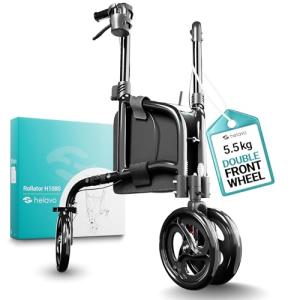
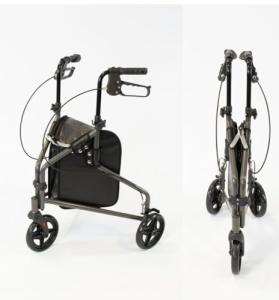
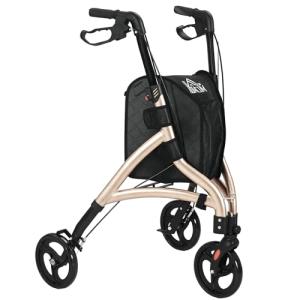
NRS 3-Wheel Rollator with Bag
Nrs Healthcare
Product Review Score
4.69 out of 5 stars
161 reviews$97.73
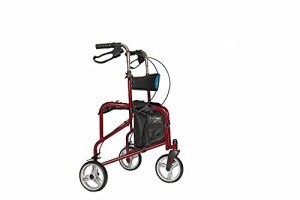
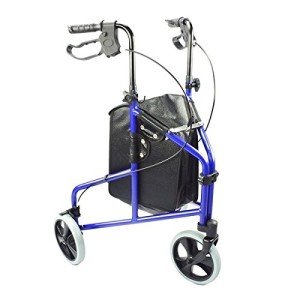
Lightweight 3-Wheel Walker
Angel Mobility
Product Review Score
4.92 out of 5 stars
195 reviews$93.76
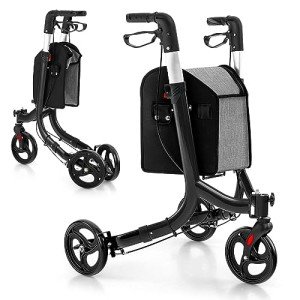
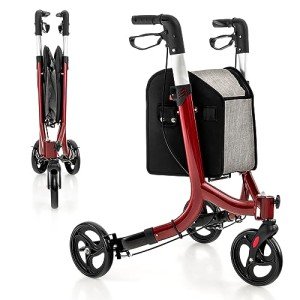
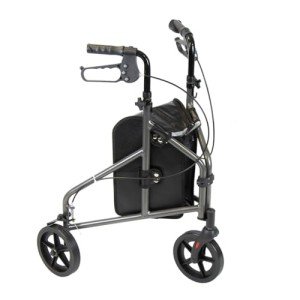
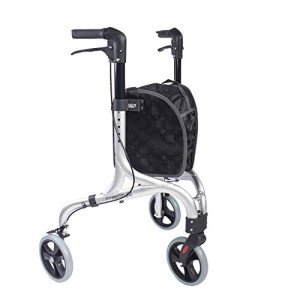
Lightweight 3-Wheel Rollator
Nrs Healthcare
Product Review Score
4.96 out of 5 stars
10 reviews$158.65
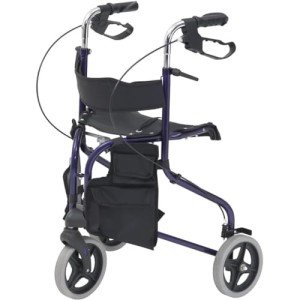
As individuals age or recover from surgery, maintaining independence becomes a top priority. Mobility is often the primary factor in sustaining that independence, and for many, the standard walker is not the most efficient solution. Enter the rollator walker—a sophisticated mobility aid designed for those who need balance support but still have the strength to walk without lifting a frame.
Often referred to as a "rolling walker," the rollator has transformed the lives of millions by providing a blend of stability, convenience, and comfort. This guide explores the various facets of rollator walkers, from their essential features to tips for choosing the right model.
What is a Rollator Walker?
A rollator walker is a mobility device that consists of a frame with three or four wheels, handlebars with hand brakes, and frequently, a built-in seat. Unlike a standard walker, which requires the user to lift the device with every step, the rollator remains on the ground and glides forward as the user moves.
This continuous motion makes rollators ideal for individuals who experience fatigue or who need help with balance but do not require the total weight-bearing support of a fixed walker. Because they move more fluidly, they are better suited for outdoor use and traversing longer distances.
Key Types of Rollator Walkers
Rollators are not one-size-fits-all. Different designs cater to specific needs, environments, and physical requirements.
1. Four-Wheel Rollators
The most common type, providing the highest level of stability. They typically feature a seat, a backrest, and four sturdy wheels. These are ideal for general use, both indoors and outdoors.
2. Three-Wheel Rollators
These models feature a "tri-wheel" design that tapers at the front. Because they are narrower and have a tighter turning radius, they are excellent for navigating cramped indoor spaces or crowded hallways. However, they usually do not include a seat and are less stable than four-wheel versions.
3. Bariatric (Heavy-Duty) Rollators
Designed for larger individuals, bariatric rollators feature reinforced frames and wider seats. They are engineered to support higher weight capacities, often ranging from 400 to 600 pounds.
4. Lightweight and Travel Rollators
Constructed from high-grade aluminum or carbon fiber, these rollators are designed to be easily folded and lifted into vehicles. They are the preferred choice for active individuals who travel frequently.
Comparison of Rollator Types
To better understand the differences, the following table summarizes the key characteristics of the most popular rollator types.
| Feature | 4-Wheel Rollator | 3-Wheel Rollator | Bariatric Rollator |
|---|---|---|---|
| Stability | Excellent | Moderate | Superior |
| Maneuverability | Good | Excellent | Fair |
| Seat Included? | Yes | Rarely | Yes (Extra Wide) |
| Weight Capacity | 250–300 lbs | 200–250 lbs | 400–600 lbs |
| Ideal Use | Daily general use | Indoor/Tight spaces | High weight support |
| Wheel Size | 6" to 8" | 7" to 8" | 8" or larger |
Essential Features to Consider
When selecting a rollator, it is vital to evaluate the specific features that will contribute to the user’s safety and comfort.
Wheel Size and Material
Wheel size significantly impacts how the rollator performs on different terrains.
- 6-inch wheels: Best for smooth, indoor surfaces. They are lighter and make the rollator more compact.
- 8-inch wheels (or larger): Preferred for outdoor use. Larger wheels can easily navigate cracks in sidewalks, grass, and gravel paths.
Braking Systems
Safety is paramount, and the braking system is the most critical safety feature.
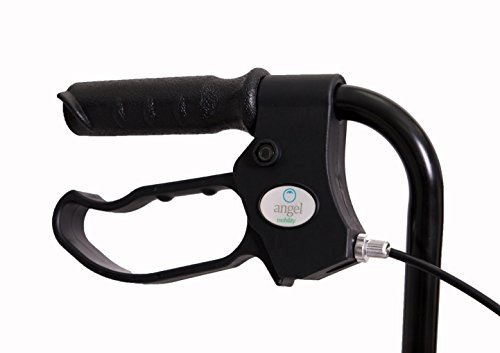
- Loop Brakes: These operate like bicycle brakes. The user pulls them up to slow down and pushes them down to "lock" the wheels in place for sitting.
- Push-down Brakes: These engage when the user leans their weight onto the handlebars. These are often better for individuals with severe arthritis who may struggle to squeeze a hand lever.
Seat and Backrest
The ability to stop and rest is one of the primary reasons users choose rollators over standard walkers. A good seat should be padded for comfort and at a height that allows the user’s feet to rest flat on the floor. A padded backrest provides additional safety and support while seated.
Adjustability
The height of the handlebars must be adjustable. If the handles are too low, the user will slouch, causing back pain. If they are too high, the user cannot leverage their weight correctly for stability.
How to Properly Size a Rollator
To ensure maximum safety and ergonomic benefit, a rollator must be fitted correctly to the user's body.
Measurement Steps:
- Handle Height: The user should stand upright with their arms hanging naturally at their sides. The distance from the floor to the crease of the wrist is the ideal handle height.
- Seat Height: While wearing usual walking shoes, the user should measure from the back of the knee to the floor. This measurement should match the rollator's seat height.
- Width: Ensure the rollator is narrow enough to fit through the doorways in the user’s home but wide enough to accommodate the user’s hips comfortably when sitting.
Safety and Usage Tips
While rollators increase mobility, they can pose risks if used incorrectly. Following these guidelines ensures a safer experience:
- Walk "Inside" the Frame: One of the most common mistakes is pushing the rollator too far out in front. For maximum stability, the user should stay within the frame’s footprint.
- Lock the Brakes Before Sitting: Never attempt to sit on the rollator seat without first engaging the parking brakes.
- Do Not Use as a Wheelchair: Unless specifically designed as a "hybrid" model, rollators are not intended to be pushed while someone is sitting on them. This can cause the frame to fail or the device to tip.
- Maintain the Device: Regularly check the wheels for debris and ensure that the braking cables are not frayed or loose.
Maintenance Checklist for Longevity
To keep a rollator in top condition, perform the following maintenance tasks every few months:
- Tighten Bolts: Constant use can vibrate screws and bolts loose.
- Clean the Wheels: Hair and dust can get caught in the axles, causing the wheels to drag.
- Inspect the Brakes: Test the locking mechanism to ensure the wheels do not budge when the brakes are engaged.
- Check the Grips: Ensure the rubber or foam handgrips are not sliding off the bars.
Frequently Asked Questions (FAQ)
1. Does Medicare cover the cost of a rollator?
Yes, under Part B, Medicare typically covers rollators as Durable Medical Equipment (DME) if they are deemed medically necessary and prescribed by a doctor. Generally, the user pays 20% of the Medicare-approved amount.
2. Can a rollator be used on grass or gravel?
Yes, but it is highly recommended to use a model with larger wheels (at least 8 inches). Pneumatic (air-filled) tires also provide better shock absorption for uneven outdoor surfaces.
3. Is a 3-wheel rollator more likely to tip over?
Because of the triangular base, 3-wheel rollators are inherently less stable than 4-wheel models. They are not recommended for individuals with severe balance issues but are excellent for those who primarily need help with endurance.
4. What is the difference between a walker and a rollator?
A standard walker has four legs (usually with two wheels or no wheels) and must be lifted to move. It is for those who need to lean heavily on the frame. A rollator has wheels on all legs and is for those who can walk but need help with balance and a place to rest.
5. How do I transport a rollator in a car?
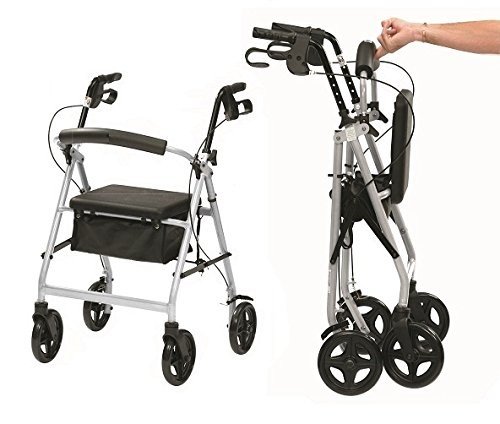
Most modern rollators feature a cross-fold or side-fold mechanism. By pulling a strap on the seat or releasing a side lever, the device collapses into a slim profile that fits in most trunks or back seats.
A rollator walker is more than just a mobility aid; it is a tool for social engagement and physical health. By providing the security of a seat and the freedom of wheeled movement, it allows users to navigate their communities with dignity and ease. Whether choosing a lightweight model for travel or a robust 4-wheel version for daily errands, selecting the right rollator can significantly improve an individual's quality of life. Always consult with a physical therapist or healthcare provider to ensure the selected model meets the specific clinical needs of the user.