
For individuals seeking to maintain an active lifestyle while managing mobility challenges, the choice of assistive technology is a critical decision. Among the most popular and versatile options available today is the lightweight 3-wheel rollator equipped with brakes and a storage bag. Often referred to as a "tri-walker," this device bridges the gap between a standard walking frame and a larger four-wheeled rollator. It offers a unique combination of agility, portability, and convenience that caters specifically to those who need support without sacrificing speed or maneuverability in tight spaces.
This guide explores the features, benefits, and technical considerations of the lightweight 3-wheel rollator, providing a comprehensive guide for users, caregivers, and healthcare professionals.
Understanding the 3-Wheel Rollator Design
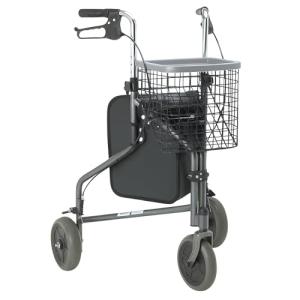
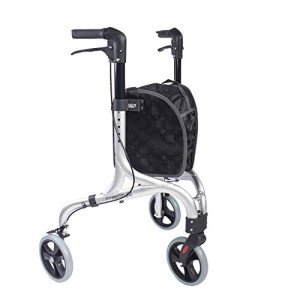
The fundamental design of a 3-wheel rollator features a triangular frame with one wheel at the front and two at the rear. This configuration is intentional, designed primarily to offer a tighter turning radius than its four-wheeled counterparts. Because the front of the device is narrow, it can navigate through narrow doorways, crowded aisles, and cluttered household environments with ease.
Key Components of a High-Quality Rollator
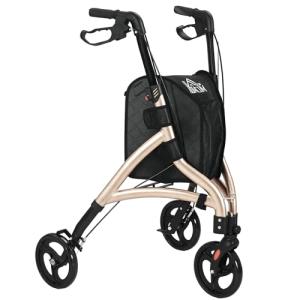
- Lightweight Frame: Most modern 3-wheel rollators are constructed from high-grade aluminum. This material ensures the device remains sturdy enough to support the user’s weight while remaining light enough to be lifted into a car trunk or onto public transport.
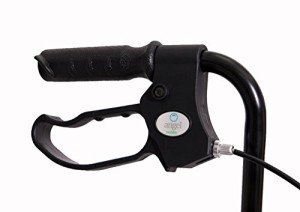
- Lockable Hand Brakes: Safety is paramount. These devices feature loop-lock brakes located on the handles. Users can pull them up to slow down while walking or push them down to "lock" the wheels, preventing the rollator from rolling away when stationary.
- Large All-Terrain Wheels: Typically ranging from 7 to 8 inches in diameter, the wheels are designed to handle both indoor linoleum and outdoor surfaces like pavement or gravel.
- Integrated Storage Bag: Since users must keep both hands on the handles for safety, a storage bag (usually located in the center of the frame) allows for the secure transport of personal items, groceries, or medical supplies.
Comparative Analysis: 3-Wheel vs. 4-Wheel Rollators
When choosing a mobility aid, it is important to understand how the 3-wheel model differs from the more traditional 4-wheel version. The following table highlights the primary differences:
Table 1: Feature Comparison
| Feature | 3-Wheel Rollator | 4-Wheel Rollator |
|---|---|---|
| Maneuverability | Excellent; turns on a dime. | Good; requires more space. |
| Weight | Generally lighter (12–15 lbs). | Heavier (18–25 lbs). |
| Foldability | Folds very slim (sideways). | Folds flat but remains wide. |
| Built-in Seat | Rarely included. | Almost always included. |
| Stability | Moderate; best for agility. | High; best for balance issues. |
| Width | Narrower (approx. 24–26 inches). | Wider (approx. 27–30 inches). |
Why Choose a Lightweight 3-Wheel Rollator?
The decision to opt for a 3-wheel rollator is usually driven by the user's specific environment and level of physical endurance. Below are some of the primary reasons individuals choose this model:
1. Superior Maneuverability
The primary advantage is the "pointy" front end. In standard homes, bathroom doors and kitchen galleys are often too narrow for heavy-duty walkers. A 3-wheel rollator can pivot easily, making it the ideal choice for indoor use where navigating around furniture is required.
2. Portability and Storage
Because 3-wheel rollators fold in a "scissor" motion (collapsing side-to-side), they become incredibly thin when not in use. This makes them a favorite for individuals who travel frequently by car or for those with limited storage space at home.
3. Ease of Lifting
For seniors with limited upper body strength, every pound matters. An aluminum 3-wheel rollator often weighs significantly less than a 4-wheel model with a seat. This makes it much easier for the user or a caregiver to hoist the device over a curb or into a vehicle.
4. Outdoor Versatility
While they are excellent indoors, the large wheels found on high-quality models are well-suited for outdoor paths. The tricycle-style layout helps the user navigate cracked sidewalks or uneven garden paths more dynamically than a standard walker without wheels.
Technical Specifications to Consider
Before purchasing a rollator, it is essential to check the specifications to ensure they meet the physical requirements of the user.
Table 2: Typical Specifications for a Lightweight 3-Wheel Rollator
| Attribute | Specification Range |
|---|---|
| Frame Material | Aluminum or Lightweight Steel |
| Product Weight | 12 lbs to 16 lbs |
| Weight Capacity | 250 lbs to 300 lbs |
| Handle Height Adjustment | 31 inches to 38 inches |
| Wheel Size | 7" to 8" (Solid PVC or Rubber) |
| Bag Material | Heavy-duty Nylon or Vinyl |
| Brake Type | Ergonomic Loop-Lock Brakes |
Essential Safety and Maintenance Tips
To ensure the longevity of the rollator and the safety of the user, several maintenance steps should be followed:
- Check the Brakes Regularly: Over time, the brake cables may stretch. It is important to test the locking mechanism weekly. If the wheels move while the brakes are locked, the cable tension needs adjustment.
- Adjust Handle Height Properly: Handles should be set at the level of the user's wrists when their arms are hanging naturally at their sides. This ensures a slight bend in the elbow and prevents shoulder strain.
- Inspect Wheel Treads: Look for cracks or heavy wear on the tires. Worn tires can lead to slipping on smooth surfaces like tile or wood.
- Do Not Use as a Wheelchair: 3-wheel rollators are not designed to be sat upon or pushed while someone is standing on the frame. Doing so can cause the device to tip or the frame to buckle.
- Balance the Bag Load: While the bag is convenient, avoid overfilling it with very heavy items, as this can shift the center of gravity and affect the rollator's stability.
Frequently Asked Questions (FAQ)
Does a 3-wheel rollator come with a seat?
Generally, no. Due to their triangular design and focus on compact maneuverability, 3-wheel rollators do not have the structural space for a seat. If a user requires frequent rest breaks where no other seating is available, a 4-wheel rollator may be a more appropriate choice.
Can the handle height be adjusted?
Yes. Almost all modern 3-wheel rollators feature height-adjustable handles. This is usually achieved via a push-button mechanism or a tightening knob, allowing the device to accommodate users of various heights.
Is it difficult to assemble?
Most 3-wheel rollators arrive partially assembled. Usually, the user only needs to insert the handlebars and attach the storage bag. No specialized tools are typically required, though it is always recommended to have a second person assist if the user has limited dexterity.
Is a 3-wheel rollator stable for someone with severe balance issues?
While 3-wheel rollators provide excellent walking support, they are slightly less stable than 4-wheel models because they have a narrower base of support. Individuals with significant balance impairment or those who tend to lean heavily to one side should consult a physical therapist to determine if a 4-wheel model or a standard walker is safer.
Can the storage bag be washed?
Most bags are made of nylon or vinyl and can be wiped down with a damp cloth and mild detergent. Some models allow the bag to be completely removed for more thorough cleaning.
The lightweight 3-wheel rollator with brakes and a bag represents a perfect synergy of function and form. It empowers individuals to navigate through life with greater confidence, providing the necessary physical support while offering the agility needed for modern living. By focusing on lightweight materials and ergonomic safety features, these devices ensure that "staying active" remains a reachable goal for everyone, regardless of age-related mobility shifts.
When selecting a model, remember to prioritize adjustable features, a reliable braking system, and a weight that is manageable for the user’s specific lifestyle. With the right rollator, the world becomes a much more accessible place.