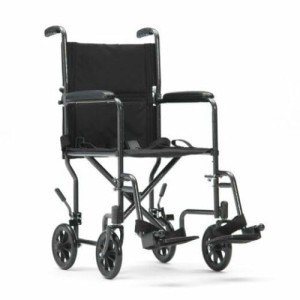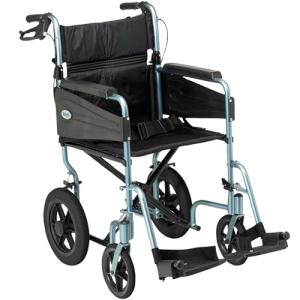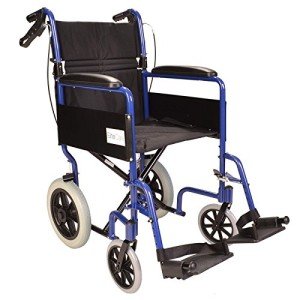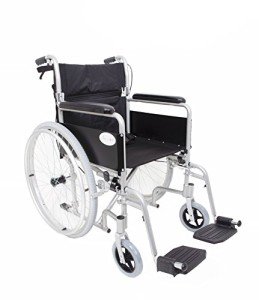

For individuals with limited mobility, the desire to explore the world—whether it is a simple trip to the local mall or an international flight to a bucket-list destination—often comes with logistical challenges. One of the most significant hurdles has traditionally been the bulk and weight of standard mobility equipment. However, the emergence of the lightweight folding travel wheelchair with a carry bag has revolutionized the way users and caregivers approach transit.
This guide explores the engineering, benefits, and practical considerations of these specialized mobility devices, providing an informative overview for those looking to regain their independence on the go.
The Evolution of Mobility: What is a Travel Wheelchair?
Unlike standard manual wheelchairs designed for everyday self-propulsion, travel wheelchairs (often called transport chairs) are engineered specifically for portability and short-term use. They typically feature four smaller wheels rather than two large rear wheels, meaning they are designed to be pushed by a companion.
The "lightweight folding" aspect refers to the use of advanced materials like aircraft-grade aluminum or carbon fiber. When combined with a sophisticated folding mechanism and a dedicated carry bag, these chairs transform from a functional seat into a compact piece of luggage that can be stowed in a car trunk, an overhead airplane bin, or a narrow closet.
Key Features to Look For
When selecting a lightweight travel wheelchair, several technical specifications determine its effectiveness and ease of use.
1. Frame Material and Weight
The primary appeal of a travel wheelchair is its weight. Most high-quality models weigh between 15 and 25 pounds. Aluminum frames offer the best balance between structural integrity and weight reduction.
2. Compact Folding Mechanism
Modern travel chairs often utilize a "cross-brace" or "double-fold" design. Some models allow the backrest to fold down and the footrests to be removed, reducing the chair to the size of a large suitcase.
3. The Carry Bag
The inclusion of a carry bag is not merely an accessory; it is a vital component for travel. A high-quality bag:
- Protects the Device: Prevents scratches and structural damage during transit.
- Eases Transport: Includes padded shoulder straps or handles for the caregiver.
- Discretion: Allows the wheelchair to be stored neatly in public spaces or hotel rooms.
4. Safety and Comfort
Despite their minimalist design, safety should never be compromised. Look for:
- Hand-operated brakes on the handles for the caregiver.
- Seatbelts for the user.
- Padded upholstery and flip-up armrests for easier transfers.
Comparison: Standard Wheelchair vs. Lightweight Travel Wheelchair
The following table highlights the primary differences to help users determine which device suits their specific lifestyle needs.
| Feature | Standard Manual Wheelchair | Lightweight Folding Travel Wheelchair |
|---|---|---|
| Typical Weight | 35 – 50 lbs | 15 – 25 lbs |
| Primary User | Self-propelled or pushed | Pushed by a companion |
| Wheel Size | Large rear wheels (24") | Small rear wheels (8" – 12") |
| Portability | Bulky; often requires large trunk | Highly compact; fits in carry bag |
| Intended Use | Daily, long-term mobility | Travel, errands, and transit |
| Storage | Requires significant space | Fits in overhead bins or small closets |
The Practical Benefits of a Carry Bag System
For many users, the carry bag is the "secret weapon" of the travel wheelchair system. It transforms a piece of medical equipment into manageable luggage.
Air Travel and Accessibility
According to the Department of Transportation, airlines are required to allow passengers to bring mobility devices. A folding chair in a carry bag is significantly less likely to be damaged by luggage handlers if it is checked at the gate. Furthermore, some ultra-compact models in their bags are small enough to be stored in the onboard overhead compartment, ensuring the chair is immediately available upon landing.
Public Transport and Ride-Sharing
Navigating buses, trains, or ride-share vehicles like Uber or Lyft becomes much simpler. A folded chair in a bag can be placed in the front seat or a small trunk without scratching the vehicle’s interior or requiring the driver to rearrange their entire cargo space.
Protection from the Elements
When traveling, weather can be unpredictable. A durable, water-resistant carry bag protects the seat’s upholstery and the frame’s moving parts from rain, dust, and salt air (if traveling near the ocean), extending the lifespan of the device.
Considerations Before Purchasing
While the benefits are many, buyers should consider the following factors to ensure the chair meets the specific needs of the user:
- Weight Capacity: Most lightweight chairs support up to 220–250 lbs. It is crucial to verify that the user falls within the safe operating limit.
- Seat Width: Travel chairs are often narrower to save weight. Ensure the seat width (typically 17–19 inches) is comfortable for the user.
- Terrain Adaptability: Because travel wheelchairs have smaller wheels, they are best suited for flat surfaces like airports, museums, and paved sidewalks. They may struggle on gravel, thick grass, or heavy cobblestones.
- Footrest Style: Some models feature "swing-away" footrests, while others are fixed. Swing-away versions make it much safer for the user to sit down and stand up.
Maintenance Tips for Longevity
To ensure the folding mechanism remains fluid and the chair remains safe, a basic maintenance routine is recommended:
- Check the Fasteners: Regularly tighten any bolts or screws that may loosen due to the vibrations of travel.
- Clean the Wheels: Debris like hair or string can get caught in the axles. Clean these out to prevent the wheels from locking.
- Inspect the Bag: Check the zippers and straps of the carry bag. A broken strap can make a lightweight chair feel much heavier during a long walk through a terminal.
- Dry After Use: If the chair gets wet, dry the metal frame before folding it into the bag to prevent corrosion.
Frequently Asked Questions (FAQ)
1. Can a person propel themselves in a travel wheelchair?
No. Because travel wheelchairs have four small wheels, they do not have the large rims required for self-propulsion. They require a companion or caregiver to push the chair.
2. Is a lightweight travel wheelchair covered by insurance?
In many cases, insurance or Medicare classifies these as "secondary" mobility devices. Coverage varies significantly depending on the provider and the medical necessity. It is best to consult with a doctor or insurance representative.
3. Can these chairs be taken on an airplane?
Absolutely. Most travel wheelchairs are designed specifically for air travel. You can "gate-check" the chair, meaning you use it until you reach the airplane door, at which point the staff places it in the cargo hold and returns it to you at the door upon arrival.
4. How long does it take to fold and bag the chair?
With practice, most models can be folded and placed into their carry bag in under 60 seconds. Modern designs often feature quick-release levers that simplify the process.
5. Are the tires pneumatic (air-filled) or solid?
Most lightweight travel chairs use solid PU or rubber tires. This is preferred for travel because it eliminates the risk of a flat tire while away from home.
The lightweight folding travel wheelchair with a carry bag represents more than just a piece of medical equipment; it represents the restoration of spontaneity. By stripping away the weight and bulk of traditional designs, these chairs allow families to navigate airports, cruise ships, and city streets with ease.
When choosing a model, prioritize a balance between the weight of the frame and the comfort of the user. With the right device and a sturdy carry bag, the world becomes significantly more accessible, proving that mobility challenges do not have to mean the end of adventure.