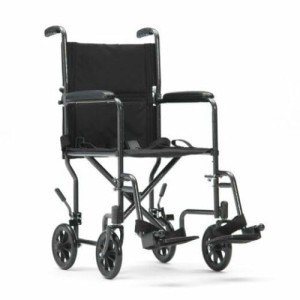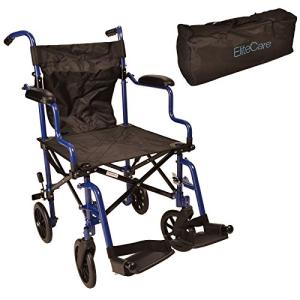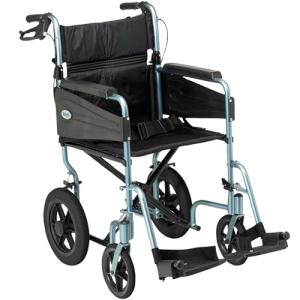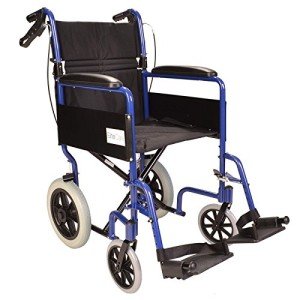





Mobility is a fundamental aspect of human independence. For individuals with limited mobility, the wheelchair is not merely a piece of equipment but an extension of their body and a gateway to the world. In recent years, the medical device industry has seen a significant shift toward ergonomics and portability. Among the most innovative developments in this sector is the lightweight folding wheelchair equipped with a quick-release brake system.
This guide explores the intricate details, benefits, and technical specifications of these advanced mobility aids, helping users and caregivers make informed decisions.
The Evolution of Manual Wheelchairs
Historically, wheelchairs were bulky, heavy, and difficult to transport. Often constructed from heavy steel, these traditional models required significant physical exertion from the user or a caregiver. Modern engineering has revolutionized this design, prioritizing the use of lightweight materials such as aerospace-grade aluminum and titanium.
The addition of the folding mechanism and the quick-release brake has further enhanced the utility of these devices. These features address the two most common pain points for wheelchair users: transportation ease and safety during ingress or egress.
Key Features of Lightweight Folding Wheelchairs
When examining a high-quality lightweight folding wheelchair, several key features distinguish it from standard models.
1. Advanced Frame Materials
The "lightweight" designation typically refers to chairs weighing between 15 and 29 pounds. To achieve this, manufacturers utilize:
- Aluminum Alloys: Offers an excellent strength-to-weight ratio and resistance to corrosion.
- Carbon Fiber: Reserved for high-end models, providing maximum rigidity and minimum weight.
- Magnesium: An ultra-lightweight alternative that offers superior vibration dampening.
2. The Quick Release Brake System
Unlike traditional toggle brakes that can be stiff or difficult to reach, quick-release brakes are designed for instantaneous engagement with minimal force. These systems often feature:
- Ergonomic Handles: Designed for users with limited hand strength or arthritis.
- High-Friction Pads: Ensures the chair remains stationary on various surfaces, including inclines.
- Dual-Action Controls: Allowing both the user and the caregiver to engage the brakes efficiently.
3. Portability and Storage
The folding mechanism is usually a "cross-brace" design. By pulling up on the seat upholstery, the sides of the chair collapse inward. When combined with removable "quick-release" rear wheels, the chair can fit into the trunk of a compact car or an airplane’s overhead compartment.
Technical Comparison: Wheelchair Materials
Choosing the right material impacts the chair's durability and the user's fatigue levels. The following table compares common frame materials:
| Material | Average Weight | Durability | Cost | Best For |
|---|---|---|---|---|
| Steel | 35 - 50 lbs | Very High | Low | Short-term use/Hospitals |
| Aluminum | 25 - 34 lbs | High | Moderate | Daily active use |
| Ultra-Light Aluminum | 18 - 25 lbs | High | Premium | Travel and independent users |
| Carbon Fiber | 12 - 19 lbs | Extreme | Very High | Long-term permanent mobility |
The Importance of Quick Release Brakes in Daily Life
Safety is the paramount concern for any mobility device. The quick-release brake serves several vital functions that improve the quality of life for the user.
Enhanced Safety During Transfers
The most dangerous moments for wheelchair users occur during transitions—moving from the chair to a bed, a car seat, or a toilet. If a wheelchair rolls during this process, the risk of falling is high. Quick-release brakes lock the wheels firmly in place with a single, smooth motion, providing a stable platform for the transfer.
Caregiver Convenience
Many lightweight folding wheelchairs include "attendant brakes" located on the push handles. These allow the caregiver to control the speed of the chair while descending ramps or to lock the chair quickly without having to lean over to the side of the wheels.
Precision and Adjustment
Quick-release systems are often more adjustable than traditional brakes. They can be fine-tuned to account for tire wear, ensuring that the braking force remains consistent over the lifespan of the wheelchair.
Maintenance and Care Checklist
To ensure a lightweight folding wheelchair remains safe and functional, regular maintenance is required. Users should follow a structured inspection routine.
Weekly Maintenance:
- Wipe down the frame with a damp cloth to remove dust and salt.
- Check tire pressure (for pneumatic tires) to ensure optimal rolling resistance.
- Inspect the quick-release brake handles for any looseness.
Monthly Maintenance:
- Test the folding mechanism to ensure it opens and closes smoothly without catching.
- Check the upholstery for any signs of sagging or tearing.
- Lubricate the pivot points of the brake system with a silicone-based spray.
Bi-Annual Maintenance:
- Tighten all nuts and bolts.
- Inspect the front casters for "flutter" or hair entanglement.
- Verify that the quick-release axles on the wheels are clicking into place securely.
Choosing the Right Specifications
Not all lightweight wheelchairs are created equal. When selecting a model, certain specifications must be matched to the user’s body type and lifestyle.
| Feature | Specification Range | Influence on User |
|---|---|---|
| Seat Width | 16", 18", 20" | Determines comfort and the ability to pass through narrow doors. |
| Weight Capacity | 250 lbs - 450 lbs | Ensures structural integrity based on user weight. |
| Wheel Type | Solid vs. Pneumatic | Solid is maintenance-free; Pneumatic offers a smoother ride. |
| Footrest Style | Swing-away vs. Fixed | Swing-away allows for easier standing transfers. |
Who Should Consider a Lightweight Folding Wheelchair?
While these chairs are versatile, they are particularly beneficial for specific groups:
- Frequent Travelers: For individuals who often use taxis, trains, or airplanes, the ability to fold the chair into a compact shape is invaluable.
- Aging Caregivers: If the person pushing the chair is also elderly, a lightweight frame reduces the risk of muscle strain and injury.
- Active Users: Those who balance a busy schedule of work, social outings, and errands require a chair that can be easily loaded and unloaded from a vehicle multiple times a day.
- Small Living Spaces: In apartments or homes with limited storage, a folding chair can be tucked away in a closet when not in use.
Frequently Asked Questions (FAQ)
1. What is the difference between a "lightweight" and an "ultra-lightweight" wheelchair?
Generally, a lightweight wheelchair weighs between 25 and 34 pounds. An ultra-lightweight wheelchair is specifically engineered to weigh less than 25 pounds, often by utilizing more expensive materials like titanium and removing non-essential components.
2. Can the quick-release brakes be replaced if they wear out?
Yes. Most modern lightweight wheelchairs are modular. Replacement brake kits can be purchased and installed with basic tools. It is recommended to use manufacturer-approved parts to ensure the locking mechanism fits the frame correctly.
3. Are these wheelchairs suitable for outdoor use?
Yes, but the performance depends on the tires. If the user plans to spend more time on gravel or uneven pavement, they should opt for larger rear wheels and possibly pneumatic (air-filled) tires, which provide better shock absorption than solid rubber tires.
4. How do I know if the quick-release wheel is locked in properly?
When inserting the axle of a quick-release wheel into the frame, there should be an audible "click." To test it, the user or caregiver should pull firmly on the wheel without pressing the release button. If the wheel remains in place, it is secure.
5. Does the folding mechanism make the chair less stable?
While a rigid-frame wheelchair is technically the most stable, high-quality folding wheelchairs use locking cross-braces that provide excellent stability. For standard daily activities, the difference in stability is negligible compared to the benefits of portability.
The lightweight folding wheelchair with quick-release brakes represents a peak in functional design for mobility aids. By combining the strength of modern alloys with the convenience of a compact, foldable frame, these chairs provide users with the freedom to navigate their environments with minimal restriction.
The addition of the quick-release brake system is a critical safety feature that empowers both the user and the caregiver, ensuring that every transition is secure and every stop is controlled. When selecting a model, prioritizing the balance between weight, durability, and braking efficiency will lead to a more active and fulfilling lifestyle for the individual.