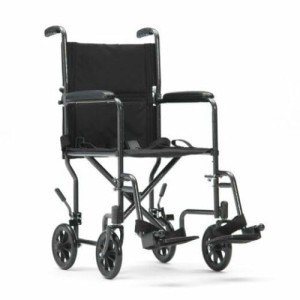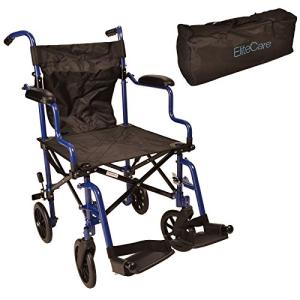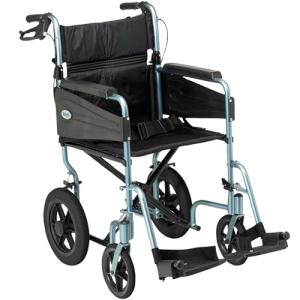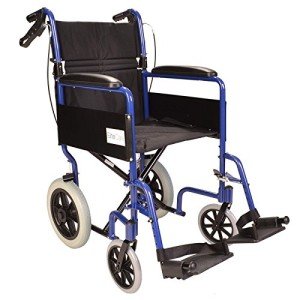





For individuals with limited mobility and their caregivers, the weight and bulk of a standard wheelchair can often feel like a barrier to spontaneity and exploration. Traditional wheelchairs, while sturdy, frequently weigh between 15kg and 25kg, making them cumbersome to lift into vehicles or navigate through busy transit hubs.
The emergence of the 11kg lightweight folding travel wheelchair has revolutionized the way people approach mobility. By combining high-grade materials with innovative engineering, these chairs offer a balance of durability and portability that was previously hard to find. This guide explores the features, benefits, and practical considerations of choosing an 11kg travel wheelchair for modern life.
Understanding the Anatomy of an 11kg Travel Wheelchair
At just 11kg, these wheelchairs fall into the "ultra-lightweight" category. To achieve such a low weight without compromising safety, manufacturers typically utilize aircraft-grade aluminum or reinforced alloys. Unlike heavy steel frames, these materials provide a high strength-to-weight ratio, ensuring the chair can support significant user weight while remaining easy to lift.
Key Technical Specifications
When evaluating an 11kg travel wheelchair, understanding the technical specifications is essential for ensuring it meets the user's requirements. Below is a breakdown of typical specifications found in this class of mobility aid.
| Feature | Specification Range (Typical) |
|---|---|
| Total Weight | 11kg (including footrests and wheels) |
| Frame Material | Heat-treated Aluminum Alloy |
| Max User Weight | 100kg - 120kg |
| Seat Width | 40cm - 46cm (16" - 18") |
| Folded Dimensions | Approx. 75cm x 25cm x 70cm |
| Wheel Type | Solid PU (Flat-free) or Pneumatic |
| Braking System | Attendant-controlled and User Handbrakes |
Core Features Designed for Travel
The primary purpose of an 11kg folding wheelchair is to facilitate movement outside the home. To achieve this, several specific design features are integrated into the frame and seating.
1. The Compact Folding Mechanism
Most 11kg models feature a cross-brace folding system. This allows the chair to collapse horizontally, significantly reducing its width. Many models also include a "half-folding backrest," which allows the top half of the backrest to fold down, making the chair compact enough to fit into the smallest of car trunks or narrow storage cupboards.
2. Attendant-Propelled vs. Self-Propelled
In the 11kg weight class, many wheelchairs are designed as "transit" or "transport" chairs. These have smaller rear wheels, which reduces the overall weight and footprint. They are intended to be pushed by a caregiver. However, some advanced models offer larger, quick-release rear wheels that allow for self-propulsion while still maintaining a total weight close to the 11kg mark.
3. Comfortable Ergonomics
Despite the focus on weight reduction, comfort remains a priority. Features often include:
- Breathable Upholstery: Padded nylon or mesh fabrics that prevent overheating during long outings.
- Flip-up Armrests: These allow for easier lateral transfers from the chair to a car seat or bed.
- Swing-away Footrests: These can be moved out of the way to allow the user to stand up safely or can be removed entirely to further reduce weight during transport.
The Benefits of a Lightweight Design
The transition from a standard wheelchair to an 11kg folding model provides several life-changing benefits for both the user and the assistant.
Reduced Strain on Caregivers
Lifting a 20kg wheelchair into a car boot multiple times a day can lead to repetitive strain injuries for caregivers, particularly for elderly spouses or family members. An 11kg chair reduces this physical burden by nearly 50%, making day trips and doctor appointments much more manageable.
Increased Accessibility for Public Transport
Navigating trains, buses, and airplanes with a heavy wheelchair is a logistical challenge. An 11kg chair is much easier to maneuver through narrow aisles. Furthermore, because it folds so compactly, it is more likely to be accepted as "gate-checked" luggage on flights, allowing the user to remain in their own chair until the moment they board the aircraft.
Versatility in Urban Environments
Urban environments are often filled with obstacles like curbs, small steps, and narrow doorways. A lighter chair is more responsive and easier for an attendant to "tilt" back when mounting a curb.
Comparison: Standard vs. 11kg Lightweight Wheelchairs
To better understand the value proposition of a lightweight model, it is helpful to compare it against a traditional manual wheelchair.
| Feature | Standard Manual Wheelchair | 11kg Folding Travel Wheelchair |
|---|---|---|
| Portability | Low; often requires a large vehicle. | High; fits in small cars and plane holds. |
| Lifting Difficulty | High; requires significant strength. | Low; manageable for most adults. |
| Maneuverability | Moderate; can be heavy to turn. | Excellent; responsive and agile. |
| Durability | High; built for all-day every-day use. | High; designed for travel and frequent use. |
| Price Point | Generally lower. | Moderate to High (due to premium alloys). |
Essential Factors to Consider Before Purchasing
While the weight is a compelling selling point, buyers should consider the following factors to ensure the chair is suitable for the specific user.
- Seat Dimensions: The user must fit comfortably. A seat that is too narrow will cause discomfort, while a seat that is too wide will not provide proper postural support.
- Terrain Usage: If the chair will be used primarily on smooth mall floors and airports, small solid wheels are ideal. If the user plans to navigate gravel paths or uneven sidewalks, look for models with slightly larger, shock-absorbing wheels.
- Weight Capacity: Always check the maximum weight limit. While the chair itself is 11kg, it must safely support the user. Most aluminum models are rated for up to 100kg, but some heavy-duty versions can support more.
- Safety Features: Ensure the chair includes lap belts, heel loops on the footrests, and reliable brakes (both for the user and the attendant).
Maintenance and Care for Lightweight Models
Because travel wheelchairs are often moved in and out of vehicles, they are subject to more wear and tear than stationary chairs. Proper maintenance ensures longevity.
- Regular Cleaning: Wipe down the aluminum frame with a damp cloth to remove salt or dirt, which can Corrode moving parts over time.
- Check Joints and Bolts: Periodically ensure the folding mechanism is moving smoothly. A small amount of silicone lubricant can help if the hinges become stiff.
- Tire Inspection: Check for wear on solid tires or air pressure in pneumatic tires. Bald tires can reduce the effectiveness of the brakes.
- Upholstery Care: Most seats are removable. Washing them according to the manufacturer's instructions prevents the buildup of bacteria and odors.
Frequently Asked Questions (FAQ)
Can an 11kg wheelchair be taken on an airplane?
Yes. Most airlines allow passengers to bring mobility aids free of charge. Because these chairs are lightweight and fold compactly, they can often be taken to the boarding gate. It is recommended to notify the airline in advance.
Is an 11kg chair durable enough for daily use?
While designed for travel and portability, high-quality aluminum frames are very robust. However, for users who spend 8+ hours a day in a chair or require specialized orthopedic support, a custom-fitted (and often heavier) manual chair may be more appropriate for primary use, with the 11kg chair reserved for outings.
Do I need tools to fold or unfold the chair?
No. Modern travel wheelchairs are designed with "tool-free" assembly. They typically feature quick-release levers or simple tension-fold mechanisms that allow them to be ready for use in seconds.
Are the footrests included in the 11kg weight?
This varies by manufacturer. Some brands state the "net weight" (without footrests), while others state the "transport weight" (total weight). Always verify if the 11kg includes the detachable parts to avoid surprises when lifting.
The 11kg lightweight folding travel wheelchair represents a significant advancement in mobility technology. It addresses the most common pain points for wheelchair users: the difficulty of transport and the physical strain on caregivers. By selecting a chair that prioritizes both low weight and structural integrity, individuals with limited mobility can regain the freedom to travel, visit friends, and navigate the world with significantly less hassle. When portability is the priority, the 11kg class of wheelchairs is the gold standard for modern, active living.