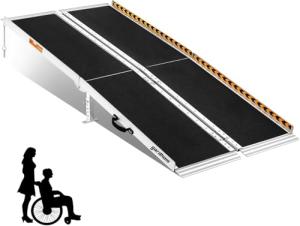





Accessibility is not merely a convenience; it is a fundamental necessity for inclusivity in modern society. For individuals with mobility challenges, a single step or a high curb can represent a significant barrier to independence. While permanent ramps are an excellent solution for residential or commercial properties, they lack the flexibility required for a life on the move. This is where the 4FT Portable Tri-Fold Aluminium Wheelchair Ramp becomes an indispensable tool.
This guide explores the intricate details, benefits, and technical specifications of the 4ft tri-fold ramp, providing a comprehensive resource for caregivers, occupational therapists, and individuals seeking to enhance mobility and safety.
What is a Tri-Fold Aluminium Wheelchair Ramp?
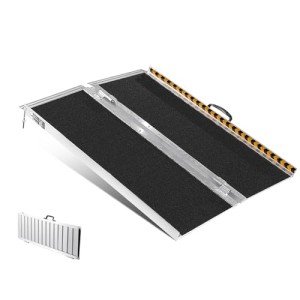
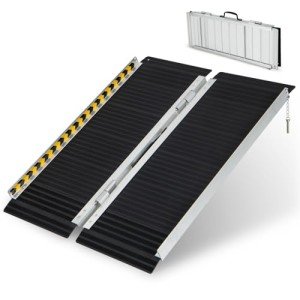
A tri-fold ramp is an engineered accessibility solution designed to provide a steady incline over obstacles like stairs, curbs, or vehicle entries. Unlike traditional single-fold ramps that fold in half like a book, tri-fold designs utilize a unique folding mechanism that allows the ramp to fold both length-wise and width-wise (or in three distinct sections depending on the specific hinge design).
Constructed from high-grade aluminium, these ramps balance the need for immense structural strength with the requirement for lightweight portability. The 4ft length is specifically categorized as a "short-to-medium" portable ramp, making it ideal for low-rise obstacles where space might be limited.
Key Features and Technical Specifications
When selecting a mobility aid, understanding the technical data is crucial for ensuring safety and compatibility with the user’s equipment. Below is a breakdown of the standard specifications typically found in a high-quality 4ft tri-fold aluminium ramp.
Table 1: Technical Specifications of the 4FT Tri-Fold Ramp
| Feature | Specification |
|---|---|
| Material | Aircraft-grade Aluminium (Rust-resistant) |
| Expanded Length | 4 Feet (approx. 122 cm) |
| Expanded Width | 28 to 30 Inches (Standard wheelchair width) |
| Folded Dimensions | approx. 24" x 15" x 9" (Varies by brand) |
| Weight Capacity | 600 lbs to 800 lbs (Combined user and chair) |
| Unit Weight | 20 lbs to 25 lbs |
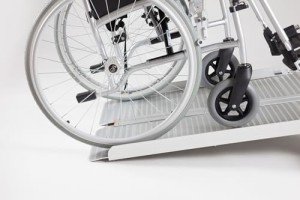
| Surface | High-traction, non-slip grit or ribbed texture |
| Safety Features | Side curbs, locking pins, and carrying handle |
The Advantages of the Tri-Fold Design
The "tri-fold" aspect of this ramp offers several distinct advantages over other portable options.
1. Superior Portability
Because the ramp folds into a more compact rectangular shape rather than a long, thin strip, it is much easier to store in the trunk of a small sedan or even in a closet. Most 4ft models include a built-in handle, allowing it to be carried like a suitcase.
2. High Weight-to-Strength Ratio
Aluminium is the gold standard for portable ramps. It provides the rigidity necessary to support heavy electric power chairs—which can weigh upwards of 250 lbs on their own—plus the weight of the occupant, without bending or warping.
3. Durability and Weather Resistance
Aluminium naturally forms a protective oxide layer, making it highly resistant to corrosion. Whether used in the rain, snow, or humid coastal environments, the ramp will not rust, ensuring a long life cycle and consistent safety.
Who Can Benefit from a 4FT Portable Ramp?
The versatility of a 4ft ramp makes it suitable for a wide variety of users and scenarios.
- Manual Wheelchair Users: Ideal for navigating curbs or single steps leading into shops or homes.
- Power Chair and Scooter Users: Provides the necessary stability for heavy machinery that cannot be tilted or lifted over obstacles.
- Caregivers: Reduces the physical strain of trying to navigate a wheelchair over a threshold, preventing back injuries and accidental falls.
- Commercial Businesses: Offering a portable ramp allows small businesses to become ADA-compliant on-demand without the need for expensive structural renovations.
- Delivery Personnel: Beyond mobility aids, these ramps are frequently used for hand trucks and dollies.
Safety First: How to Use the Ramp Effectively
While the 4ft Tri-Fold ramp is designed for ease of use, safety protocols must be followed to prevent accidents.
Best Practices for Installation and Use:
- Check the Incline: A 4ft ramp is best suited for a "rise" (height of the step) of about 4 to 8 inches. Using a 4ft ramp for a 12-inch rise results in a steep 1:4 ratio, which may be unsafe for manual wheelchair users or certain power chairs.
- Surface Stability: Ensure the "top lip" of the ramp is resting securely on a flat, solid surface. Many ramps come with holes for transition pins to "lock" the ramp to the landing.
- Clear Debris: Before deployment, ensure the ground is free of loose gravel, ice, or oil that could cause the ramp's base to slide.
- Center the Load: Always drive or push the wheelchair directly up the center of the ramp. Avoid turning while on the ramp surface.
- Monitor Weight Limits: Never exceed the manufacturer’s rated capacity. Always include the weight of the wheelchair, the occupant, and any accessories (oxygen tanks, backpacks).
Comparing Ramp Types
Choosing the right ramp requires comparing the tri-fold model against other common configurations.
Table 2: Ramp Configuration Comparison
| Feature | Tri-Fold Ramp | Single-Fold Ramp | Telescopic Ramps |
|---|---|---|---|
| Storage Size | Most Compact | Long and flat | Long and narrow |
| Setup Speed | Moderate | Very Fast | Slow (Must align two tracks) |
| Surface Area | Solid, full width | Solid, full width | Two separate tracks |
| Best For | Heavy power chairs | Rapid deployment | High-clearance vehicles |
| Stability | Excellent | Excellent | Moderate (Requires precision) |
Maintenance and Care
To ensure the longevity of a 4ft aluminium ramp, a simple maintenance routine is recommended.
- Cleaning: Periodically wash the ramp with mild soap and water to remove salt, mud, or grime. This ensures the non-slip surface remains effective.
- Hinge Lubrication: If the folding mechanism feels stiff, a small amount of silicone-based lubricant on the hinges can keep the operation smooth.
- Inspect Fasteners: Over time, vibrations from use may loosen bolts. Check the underside of the ramp every few months to ensure all hardware is tight.
- Surface Inspection: Check the high-traction grit tape or ribbed surface for wear. If the surface becomes smooth, it may need to be replaced or treated with an anti-slip spray.
Frequently Asked Questions (FAQ)
Q: Is a 4ft ramp long enough for a van?A: In most cases, no. Mini-vans and full-sized vans usually require a ramp between 6ft and 8ft to achieve a safe incline. A 4ft ramp is generally reserved for curbs, single steps, or low-sitting SUVs.
Q: Can one person set this up alone?A: Yes. Since the 4ft aluminium tri-fold ramp typically weighs between 20 and 25 lbs, most able-bodied adults can deploy and fold the ramp without assistance.
Q: Is it safe to use in the rain?A: Yes, provided the ramp has a high-traction surface. Most quality aluminium ramps feature a "serrated" or "gritted" floor that allows water to drain or provides grip even when wet.
Q: Does the ramp require permanent installation?A: No. These are designed to be temporary and portable. However, many models feature pre-drilled holes at the top if the user wishes to secure it to a wooden deck or concrete step semi-permanently.
Q: What is the maximum step height for a 4ft ramp?A: For independent manual wheelchair users, the ADA recommends a 1:12 slope (1 inch of rise for every 12 inches of ramp). For a 4ft (48-inch) ramp, that would be a 4-inch step. For power chairs or assisted use, a 1:6 ratio (an 8-inch step) is often manageable but requires caution.
The Portable Tri-Fold Aluminium Wheelchair Ramp (4FT) represents a perfect intersection of engineering and empathy. By providing a lightweight, durable, and highly compact solution to architectural barriers, it empowers individuals to navigate the world with greater freedom.
Whether it is stored in the back of a car for trips to the park, used to help a loved one enter a family home during the holidays, or utilized by a business to welcome all customers, its value is immeasurable. When choosing a ramp, always prioritize weight capacity and surface traction to ensure that every journey, no matter how small the incline, is a safe one.