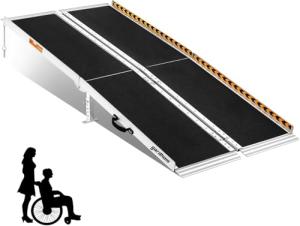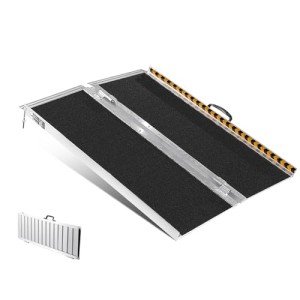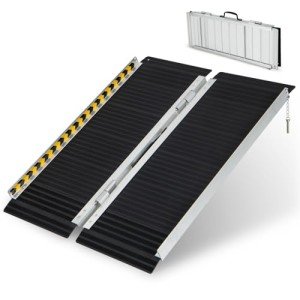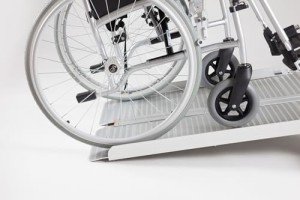





Accessibility is a cornerstone of an inclusive society. For individuals with limited mobility, navigating a world filled with stairs, curbs, and uneven thresholds can be a daunting challenge. While permanent concrete ramps are an excellent long-term solution, they are not always feasible due to space constraints, rental agreements, or the need for portability. This is where the folding aluminum wheelchair ramp becomes an essential tool.
Engineered for durability and designed for portability, these ramps provide a bridge to independence. When equipped with high-visibility reflective stickers, they offer an added layer of safety that ensures the user’s transition is secure regardless of the time of day. This guide explores the technical advantages, safety features, and selection criteria for folding aluminum wheelchair ramps.
The Superiority of Aluminum in Ramp Construction
When selecting a material for a portable ramp, aluminum stands out as the industry gold standard. Its unique physical properties make it superior to wood or steel in several key areas.
Strength-to-Weight Ratio
Aluminum is remarkably lightweight yet holds significant weight capacities. A ramp weighing only 30 pounds can often support up to 600 or 800 pounds, including the weight of the wheelchair, the user, and an assistant. This makes it manageable for caregivers to transport and set up without specialized equipment.
Weather Resistance and Longevity
Unlike wood, which can rot, or steel, which is prone to rust, aluminum naturally forms a protective oxide layer that resists corrosion. This is vital for a product intended for outdoor use. Whether exposed to rain, snow, or coastal salt air, an aluminum ramp maintains its structural integrity over decades.
Low Maintenance
Aluminum ramps require minimal upkeep. They do not need to be painted or stained. A simple cleaning with mild soap and water is usually sufficient to keep the surface clear of debris and maintain its non-slip properties.
Safety Reinvented: The Role of Reflective Stickers
Safety is the primary concern when using any mobility aid. While the physical structure of the ramp provides the path, visibility dictates how safely that path is navigated. The integration of reflective stickers on the side rails or entry points of a folding ramp is a critical safety innovation.
Visibility in Low-Light Conditions
Many accidents occur during dusk, dawn, or in poorly lit parking lots. Reflective stickers utilize retroreflective technology to bounce light back toward its source—such as car headlights or streetlamps. This alerts drivers and pedestrians to the presence of the ramp, preventing accidental collisions.
Guideline for the User
For the wheelchair user, reflective stickers serve as "landing strips." They clearly define the boundaries of the ramp, helping the user or caregiver align the wheels correctly. This minimizes the risk of a wheel slipping off the edge, which can lead to tips or falls.
Preventing Trip Hazards
Ramps often extend into walkways. Without high-visibility markings, a ramp can become a trip hazard for able-bodied pedestrians who may not notice the incline in the dark. Reflective stickers provide a visual warning that ensures the area remains safe for everyone.
Technical Specifications and Variations
Folding aluminum ramps come in various sizes to accommodate different rise heights and weight requirements. Below is a comparative table of standard specifications for typical folding ramps.
Table 1: Standard Folding Aluminum Ramp Specifications
| Ramp Length | Max Rise (Occupied) | Max Rise (Unoccupied) | Folded Width | Weight Capacity | Average Product Weight |
|---|---|---|---|---|---|
| 2 Feet | 4 Inches | 6 Inches | 14 - 15 Inches | 600 - 800 lbs | 12 lbs |
| 4 Feet | 8 Inches | 12 Inches | 14 - 15 Inches | 600 - 800 lbs | 22 lbs |
| 6 Feet | 12 Inches | 18 Inches | 14 - 15 Inches | 600 - 800 lbs | 33 lbs |
| 8 Feet | 16 Inches | 24 Inches | 14 - 16 Inches | 600 - 800 lbs | 45 lbs |
| 10 Feet | 20 Inches | 30 Inches | 15 - 17 Inches | 600 lbs | 55 lbs |
Note: Occupied refers to a person sitting in the wheelchair; Unoccupied refers to pushing an empty chair or a power scooter up the ramp.
Key Features to Look For
Not all folding ramps are created equal. When researching the ideal model, several features should be prioritized to ensure maximum utility and safety.
- Non-Slip Gritted Surface: The walking surface should have a high-traction finish, often resembling sandpaper or featuring an extruded "serrated" pattern. This is crucial for preventing wheel slippage in wet conditions.
- Self-Adjusting Bottom Transition Plate: This plate allows the ramp to transition smoothly from the incline to the ground, providing a seamless roll-on and roll-off experience.
- Safety Locking Pins: Most quality folding ramps include steel pins that can be inserted through the top flange into the porch or van floor to prevent the ramp from sliding backward during use.
- Ergonomic Carry Handles: Since the primary benefit of these ramps is portability, a heavy-duty, comfortable handle is necessary for easy transport.
- Side Railings (Curbs): Safety curbs on both sides (usually 2-3 inches high) act as a bumper to keep the wheelchair wheels centered and on the ramp.
Understanding the Slope: The 1:12 Rule
Determining the correct length of the ramp is perhaps the most important technical step. The Americans with Disabilities Act (ADA) recommends a 1:12 slope ratio for commercial settings. This means that for every 1 inch of vertical rise, there should be 12 inches (1 foot) of ramp length.
- Commercial Standard (1:12): Safer, easier for manual wheelchair users to self-propel.
- Residential/Portable Standard (1:6 or 1:8): Often used for portable ramps where space is limited. A 1:6 ratio is steeper and usually requires a power wheelchair or a strong assistant to push a manual chair.
Calculation Checklist
To find the right ramp length, follow these steps:
- Measure the total vertical rise from the ground to the top of the step or threshold.
- Identify the available "runway" space in front of the step (to ensure an 8-foot ramp will actually fit).
- Consult the manufacturer’s slope chart to ensure the chosen length is safe for the specific wheelchair type.
Maintenance for Long-Term Reliability
While aluminum is durable, the moving parts and safety features require occasional inspection.
- Check the Hinges: Ensure the folding mechanism is free of debris. Use a dry silicone lubricant if the hinges become stiff; avoid grease, which can attract dirt.
- Inspect Reflective Stickers: Over time, stickers may peel or lose leur reflectivity due to UV exposure. Replace them immediately if they become damaged to maintain night-time safety.
- Surface Cleaning: If the non-slip surface becomes clogged with mud or salt, scrub it with a stiff brush to restore traction.
Frequently Asked Questions (FAQ)
1. Can these ramps be used for power wheelchairs and scooters?
Yes, most aluminum folding ramps are designed to handle the weight of power wheelchairs and scooters. However, it is vital to check the weight capacity (usually 600-800 lbs) and ensure that the total weight of the device plus the occupant does not exceed this limit.
2. Are reflective stickers permanent?
The stickers are usually made of high-grade adhesive vinyl designed for outdoor use. While they are very durable, they are not permanent. They are designed to withstand weather but can be replaced if they show signs of wear.
3. Does the ramp require assembly?
In most cases, folding aluminum ramps come fully assembled. The user simply needs to unfold the ramp and position it securely against the threshold.
4. Can the ramp be left outside year-round?
Because they are made of aluminum, they can withstand outdoor elements. However, for maximum longevity and to keep the surface clean, it is often recommended to fold and store the ramp when not in use for extended periods.
5. What width should I choose?
Standard ramps are typically 28 to 30 inches wide. This accommodates the majority of standard wheelchairs. Users with "extra-wide" bariatric chairs should look for ramps specifically labeled as 32 or 36 inches wide.
The folding aluminum wheelchair ramp with reflective stickers represents a perfect marriage of structural engineering and safety-conscious design. By choosing aluminum, users benefit from a lightweight, rust-proof solution that can travel anywhere. The addition of reflective stickers addresses the often-overlooked danger of low-light navigation, providing peace of mind for both the user and the caregiver.
Whether it is for a permanent home entrance, a temporary visit to a friend’s house, or loading a chair into a vehicle, these ramps are an invaluable investment in mobility. They do more than just bridge a gap between elevations; they provide a path toward a life without boundaries.