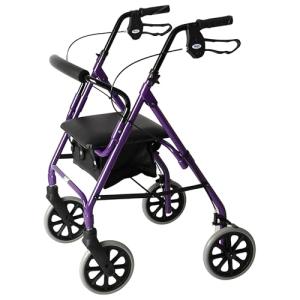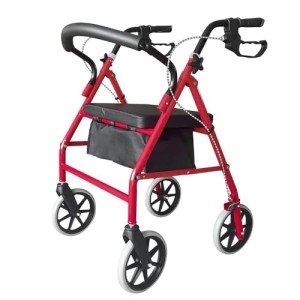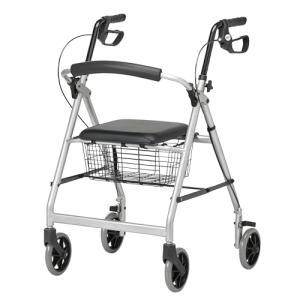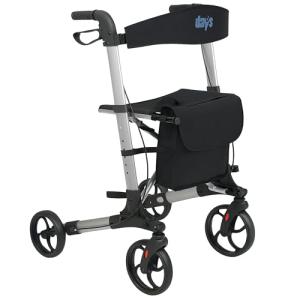





In the realm of mobility aids, lightweight folding rollator walkers with seats and bags represent a crucial advancement for individuals seeking both independence and comfort. These walkers are specifically designed to provide support to those with mobility challenges while also integrating features that enhance convenience and functionality. This guide examines the benefits, features, and user considerations associated with lightweight folding rollator walkers.
What is a Lightweight Folding Rollator Walker?
A rollator walker is a mobility device designed to provide balance and support for individuals who have difficulty walking. Unlike traditional walkers, which require users to lift them with each step, rollators are equipped with wheels that facilitate smoother movement. A lightweight folding rollator walker combines the advantages of mobility support with the ease of portability.
The key features of these rollators include:
- Folding Mechanism: Allows for easy storage and transport.
- Lightweight Design: Typically made of aluminum or other lightweight materials for easy handling.
- Seat: Provides a resting place for users during walks or outings.
- Storage Bag: Offers convenient storage for personal items, ensuring users have essentials nearby.
The Benefits of Lightweight Folding Rollator Walkers
Lightweight folding rollator walkers come with various advantages that enhance user experience:
1. Improved Mobility
These walkers promote independence by allowing users to navigate their environments more easily. The lightweight design reduces strain on the user, making it easier to move around the house, grocery store, or outdoors.
2. Versatile Functionality
The built-in seat offers the opportunity to rest at any time, which is crucial for individuals who may tire easily. This makes them particularly beneficial for those attending events or engaging in activities that require prolonged standing or walking.
3. Enhanced Stability and Safety
Rollators offer better stability than standard walkers. The four-wheeled design ensures a more secure form of support, and many models come with hand brakes that allow users to stop and rest safely.
4. Convenient Storage Options
The inclusion of a storage bag or basket allows users to carry personal items, medications, or shopping bags without needing to lug around extra items. This feature can significantly enhance the user’s sense of independence.
5. Lightweight and Portable
Designed with portability in mind, these walkers can be easily folded to fit in car trunks or hall closets. Their lightweight nature also means they can be effortlessly transported by caregivers or family members.
Key Features to Consider
When selecting a lightweight folding rollator walker with a seat and bag, several features should be taken into account:
| Feature | Description |
|---|---|
| Weight Capacity | Ensure the walker can support your weight comfortably. |
| Seat Size | Look for a seat that provides sufficient space and comfort for resting. |
| Handle Height | Adjustable handles are crucial for ensuring proper posture and comfort. |
| Brake System | Hand brakes should be easy to engage for quick stops. |
| Wheel Size | Larger wheels can offer better stability and ease of movement outdoors. |
| Material | Lightweight yet sturdy materials, such as aluminum, improve mobility. |
Frequently Asked Questions (FAQs)
1. How do I maintain my lightweight folding rollator walker?
Regular maintenance can prolong the lifespan of your rollator. Keep the wheels clean and check for any signs of wear. Make sure to regularly inspect the brakes to ensure they are functioning properly.
2. Can I use a rollator walker on uneven surfaces?
While rollators are primarily designed for flat surfaces, many models come equipped with larger wheels that can handle rougher terrain better than standard walkers. However, caution should always be exercised to avoid falls.
3. What should I look for when trying a rollator walker in-store?
When shopping for a rollator walker, test its stability, the ease of the folding mechanism, and the setup of the seat and storage bag. Ensure that the walker suits your height and feels comfortable when maneuvering.
4. Is it easy to transport a lightweight folding rollator walker?
Yes, lightweight folding rollator walkers are designed for portability. They can often be folded quickly and fit into most vehicle trunks with ease.
5. How much do rollator walkers typically cost?
The price for lightweight folding rollator walkers varies widely based on features such as seat size, material quality, and additional functions. On average, they can range from £100 to £500.
Lightweight folding rollator walkers with seats and bags offer unparalleled mobility assistance for individuals with walking difficulties. Their innovative designs enhance user comfort, independence, and safety, making them an indispensable tool for many. With a wealth of options available, it’s essential to carefully consider individual needs and preferences to find the perfect rollator walker. With the right model, users can confidently navigate their world, enjoy outings, and embrace a fulfilling lifestyle.