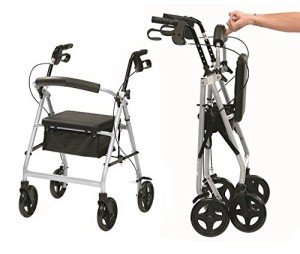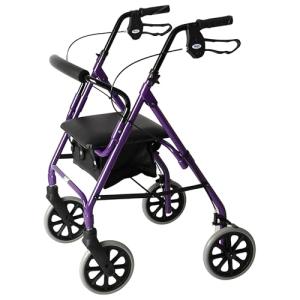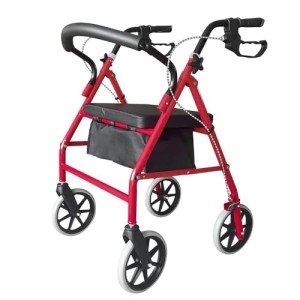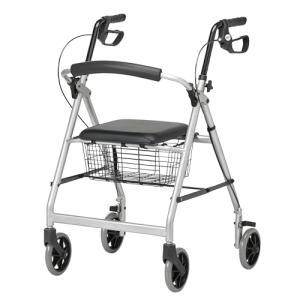


Maintaining mobility is a cornerstone of independence and quality of life, particularly for seniors and individuals recovering from surgery or managing chronic conditions. While standard walkers have long been the traditional choice, the evolution of mobility technology has introduced the lightweight folding 4-wheel rollator with a seat. This device bridges the gap between a standard walker and a wheelchair, offering the stability of four wheels, the convenience of a built-in resting place, and the portability of a folding frame.
This guide provides an in-depth look at the features, benefits, and technical considerations of these essential mobility aids.
What is a 4-Wheel Rollator?
A 4-wheel rollator is a walking frame equipped with four wheels, handlebars with hand brakes, and a built-in seat. Unlike standard walkers that must be lifted with every step, rollators are pushed forward smoothly. This allows for a more natural walking gait and reduces the physical exertion required to move. The "lightweight" designation usually refers to models constructed from high-grade aluminum, making them easy to maneuver and lift into vehicles.
Comparison of Mobility Aids: At a Glance
The following table compares the most common manual mobility aids to help determine where the 4-wheel rollator fits within the spectrum of care.
| Feature | Standard Walker | 2-Wheel Walker | 4-Wheel Rollator |
|---|---|---|---|
| Stability | Very High | High | Moderate to High |
| Maneuverability | Low | Moderate | Very High |
| Walking Speed | Slow | Moderate | Fast |
| Built-in Seat | No | No | Yes |
| Braking System | N/A | N/A | Hand-operated Loop Brakes |
| Terrain Suitability | Indoor Flat Surfaces | Indoor/Minor Outdoor | Indoor and Outdoor |
| User Energy Effort | High (Requires Lifting) | Moderate | Low (Smooth Rolling) |
Key Features of Lightweight Folding Rollators
When selecting a mobility aid, understanding the specific components is crucial for ensuring the safety and comfort of the user.
1. Aluminum Frame and Folding Mechanism
Modern rollators prioritize portability. A lightweight aluminum frame typically weighs between 15 and 20 pounds, significantly less than older steel models. The folding mechanism is usually activated by a simple pull-string on the seat or a cross-bar hinge, allowing the unit to collapse horizontally or vertically for storage in a car trunk or closet.
2. Built-in Padded Seat and Backrest
One of the primary advantages of a 4-wheel rollator is the integrated seat. This feature provides a portable resting spot for individuals who experience fatigue or shortness of breath. Most high-quality models include a padded seat and a removable or flexible backrest to ensure ergonomic comfort during breaks.
3. Ergonomic Hand Brakes
Safety is paramount in rollator design. Most units feature "loop-lock" brakes located on the handles. These brakes serve two purposes:
- Deceleration: Gently squeezing the brakes slows the rollator while walking.
- Parking Brake: Pushing the handles downward locks the wheels completely, ensuring the device does not move when the user sits down.
4. Height Adjustable Handles
To prevent back strain and promote proper posture, the handles of a rollator are height-adjustable. Correct alignment is achieved when the handles are at the level of the user’s wrists when their arms are hanging naturally at their sides.
Technical Specifications to Consider
Not all rollators are built the same. Before purchasing, it is important to review the technical specifications against the physical needs of the user.
| Specification | Standard Profile | Heavy Duty (Bariatric) |
|---|---|---|
| Weight Capacity | 250 lbs – 300 lbs | 350 lbs – 500 lbs |
| Overall Weight | 15 lbs – 18 lbs | 20 lbs – 25 lbs |
| Wheel Size | 6 inches (Indoor focus) | 8 inches (Outdoor focus) |
| Seat Width | 12 – 14 inches | 18 – 22 inches |
| Handle Height Range | 31 – 35 inches | 34 – 39 inches |
The Benefits of Using a 4-Wheel Rollator
The transition to using a rollator can have profound physical and psychological impacts on a user’s life.
Enhanced Cardiovascular Health
Because rollators facilitate a faster and more fluid walking pace, users are often able to engage in longer periods of physical activity. This helps maintain cardiovascular health and muscle tone without the jarring "stop-and-start" motion of a standard walker.
Psychological Independence
Fear of falling is a major contributor to social isolation among seniors. A 4-wheel rollator provides the confidence needed to navigate public spaces, grocery stores, and parks. Knowing that a seat is always available allows the user to explore further than they would with a traditional cane or walker.
Storage Convenience
Most lightweight rollators come equipped with a storage bag or basket located under the seat or on the front of the frame. This allows users to transport personal items, groceries, or medical supplies hands-free, which is essential for maintaining balance.
Safety and Maintenance Tips
To ensure the longevity of the rollator and the safety of the user, regular maintenance is required.
- Check the Brakes Regularly: Over time, the brake cables may stretch. Users should ensure that the parking brake firmly locks the wheels before attempting to sit.
- Inspect the Wheels: Check for cracks or debris stuck in the casters. Ensure the front-swivel wheels rotate freely.
- Tighten Bolts: Frequent folding and unfolding can loosen the pivot points. A monthly check of all screws and bolts is recommended.
- Weight Distribution: Users should never use a rollator to transport heavy luggage or a second person, as this can cause the frame to tip or fail.
Frequently Asked Questions (FAQ)
1. Is a 4-wheel rollator suitable for someone with balance issues?
While a rollator provides excellent support, it is best suited for individuals who have some degree of balance but need help with endurance or stability. Because the wheels roll freely, people with severe balance impairment might find the device "runs away" from them. In such cases, a 2-wheel walker may be safer.
2. Can I use a 4-wheel rollator on grass or gravel?
Yes, but wheel size matters. For outdoor use on uneven surfaces like grass or gravel, a rollator with 8-inch wheels is recommended. Smaller 6-inch wheels are better suited for indoor use and flat pavements.
3. How do I know if the rollator will fit in my car?
Most lightweight folding rollators fold to a width of about 8 to 12 inches. It is advisable to measure the trunk space and compare it to the "folded dimensions" provided by the manufacturer.
4. Does Medicare cover the cost of a rollator?
In many cases, Medicare Part B may cover a portion of the cost of a rollator if it is deemed medically necessary by a physician and classified as Durable Medical Equipment (DME). It is important to consult with a doctor and a registered supplier to navigate the reimbursement process.
5. Can a rollator be used as a transport chair?
Typically, no. Standard rollators are designed to be pushed from behind by the user. They are not engineered to be pushed by another person while a user is sitting in them, as this can cause the device to tip forward. If this function is needed, one should look for a "Hybrid Rollator/Transport Chair."
The lightweight folding 4-wheel rollator with a seat represents a significant advancement in mobility assistance. By combining durable materials, ergonomic safety features, and a design that prioritizes user comfort, these devices empower individuals to maintain their active lifestyles. Whether it is a trip to the local mall or a stroll through a neighborhood park, the right rollator provides the stability to move and the luxury to rest, ensuring that mobility limitations do not translate into a lack of freedom.