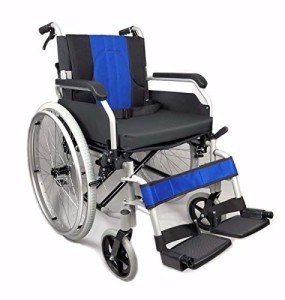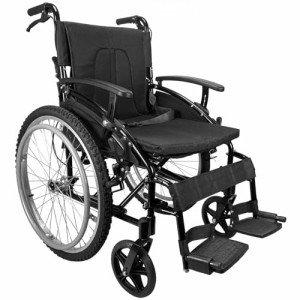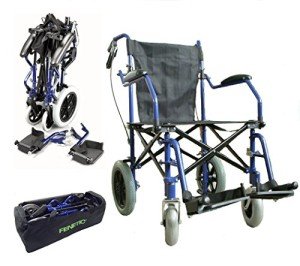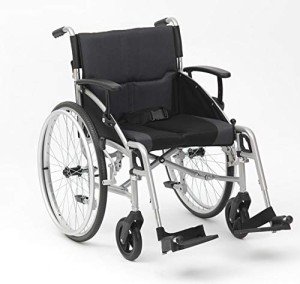





Mobility is a fundamental aspect of independence, yet for individuals requiring bariatric support or those dealing with rigorous daily usage, standard wheelchairs often fall short. The Days Heavy Duty Wheelchair with Metal Base has emerged as a gold standard in the mobility industry, designed specifically to bridge the gap between standard manual chairs and the specialized needs of larger users. By prioritizing structural integrity, reinforced engineering, and user comfort, this wheelchair offers a reliable solution for both private users and clinical environments.
This guide provides an in-depth exploration of the features, specifications, and advantages of the Days Heavy Duty Wheelchair, detailing why the metal base construction is a critical factor for long-term durability.
The Engineering Behind the Metal Base
The defining characteristic of this specific Days model is its metal base, typically constructed from high-tensile, reinforced steel. Unlike lightweight aluminum chairs designed for occasional travel, the heavy-duty metal base is engineered to withstand significantly higher vertical and lateral stresses.
Structural Reinforcement
The "base" of a wheelchair refers to the chassis and the cross-bracing mechanism. In the Days Heavy Duty model, a double cross-brace system is standard. This involves two sets of intersecting metal bars beneath the seat that distribute the user's weight evenly across the four wheels. This design prevents the frame from "flexing" or bowing outward over time, a common issue in lower-quality bariatric chairs.
Impact Resistance
Heavy-duty chairs are frequently used in high-traffic areas like hospitals or nursing homes. The metal base provides superior impact resistance against bumps into doorways or furniture. The powder-coated finish on the steel frame also serves a dual purpose: it protects the metal from oxidation (rust) and provides a professional, sleek aesthetic that resists chipping.
Key Features and Specifications
When selecting a heavy-duty mobility aid, technical specifications are the most important metric for ensuring safety. The Days Heavy Duty Wheelchair is built to accommodate weight capacities that far exceed the industry average of 250 lbs (113 kg).
Technical Specifications Table
The following table outlines the general specifications typically found in the Days Heavy Duty series with a metal base:
| Feature | Specification |
|---|---|
| Frame Material | Reinforced Heavy-Duty Steel |
| Weight Capacity | Up to 32 stone (203 kg / 450 lbs) |
| Seat Width Options | 20", 22", or 24" (50cm, 55cm, 61cm) |
| Seat Depth | 18" (46 cm) |
| Backhold Height | 16" - 18" (Adjustable) |
| Front Casters | 8" x 2" Heavy Duty Solid Tyres |
| Rear Wheels | 24" Puncture-Proof Mag Wheels |
| Folding Mechanism | Side-to-side folding for transit |
| Weight of Chair | Approx. 22kg - 25kg (Depending on width) |
Enhanced User Comfort and Customization
A heavy-duty chair must be more than just strong; it must be ergonomic. Extended use in a poorly designed chair can lead to pressure sores or musculoskeletal discomfort. The Days Heavy Duty Wheelchair incorporates several design elements to mitigate these risks.
Reinforced Upholstery
The seat and backrest are crafted from heavy-duty, double-stitched nylon or vinyl. This material is chosen for its "low-stretch" properties, ensuring that the seat remains firm and does not sag over months of use. Additionally, the upholstery is usually flame-retardant and easy to wipe down, making it ideal for clinical settings where hygiene is paramount.
Adjustable Components
To accommodate different body types, the chair features several adjustable parts:
- Swing-Away Footrests: These allow for easier transfers in and out of the chair. They are often equipped with large, durable footplates to support the full weight of the user’s legs.
- Removable Armrests: Desk-length or full-length armrests can be removed to allow the user to sit closer to tables or to facilitate lateral transfers from a bed or car.
- Padded Arm Pads: Extra cushioning is provided to prevent elbow and forearm fatigue.
Benefits for Caregivers and Institutions
While the primary focus is on the occupant, the Days Heavy Duty Wheelchair is also designed with the caregiver in mind. Pushing a high-weight-capacity chair requires significant effort, and the engineering of the metal base plays a role in easing this burden.
Maneuverability
Despite its weight, the precision bearings in the 24-inch rear wheels and the heavy-duty front casters ensure that the chair tracks straight and turns with minimal resistance. This reduces the strain on the caregiver’s back and shoulders.
Durability in Institutional Sets
In hospitals, wheelchairs are subjected to constant use by multiple people. The Days Metal Base model is preferred by procurement officers because its maintenance cycle is much longer than that of standard chairs. The absence of complex electronic components and the reliance on a sturdy steel frame mean there are fewer points of failure.
Maintenance and Longevity
To ensure the Days Heavy Duty Wheelchair remains safe for operation, a regular maintenance schedule should be followed. Because it is a mechanical device under high stress, "wear and tear" is inevitable, but manageable.
Maintenance Checklist:
- Weekly: Check tire pressure (if pneumatic) or inspect for flat spots (if solid). Wipe down the metal frame with a damp cloth to remove salt or debris.
- Monthly: Inspect the cross-brace bolts under the seat. Ensure they are tight but allow the chair to fold smoothly.
- Quarterly: Apply a small amount of silicone-based lubricant to the wheel axles and the folding mechanism joints.
- Annually: Conduct a "drop test" from one inch off the floor to listen for any rattles or loose components that may indicate structural fatigue.
Standard vs. Heavy Duty: Why the Metal Base Matters
It is often tempting to stick with a standard wheelchair to save on cost or weight. However, using a standard chair for a bariatric user can lead to dangerous outcomes.
- Frame Failure: A standard aluminum frame can "snap" or warp under a weight load exceeding 250 lbs, potentially causing a fall.
- Wheel Misalignment: Standard axles may bend under heavy loads, causing the wheels to "toe-in," which makes the chair nearly impossible to push.
- Safety Brake Failure: Heavy-duty chairs utilize reinforced brake locks that grip the tire more firmly, ensuring the chair doesn't move during transfers—a common failure point in lighter models.
Frequently Asked Questions (FAQ)
1. Can the Days Heavy Duty Wheelchair be folded for transport in a car?Yes. Despite its heavy-duty steel construction, the chair features a side-to-side folding mechanism. By pulling upward on the seat upholstery, the metal base collapses inward. However, due to its weight (approx. 22-25kg), lifting it into a vehicle may require two people or a mechanical hoist.
2. Are the tires air-filled or solid?Most Days Heavy Duty models come with puncture-proof, solid rubber tires. This is preferred for heavy-duty use to eliminate the risk of a flat tire while supporting a high weight capacity.
3. Is the seat width adjustable?The seat width is not adjustable on a single unit, but the chair is available for purchase in various pre-set widths (typically 20", 22", and 24"). It is vital to measure the user across the widest part of their hips and add two inches to find the correct size.
4. Can this wheelchair be used outdoors?Absolutely. The metal base and large rear mag wheels are designed to handle outdoor surfaces like pavement, concrete, and firm gravel. However, it is primarily a manual chair, so pushing a heavy occupant over soft grass or sand may be difficult for a caregiver.
5. Does the metal base rust?The steel frame is powder-coated to prevent rust. However, if the paint is scratched deeply enough to expose the raw steel, it should be touched up with paint to prevent oxidation, especially in humid or coastal environments.
The Days Heavy Duty Wheelchair with Metal Base represents a marriage of strength and practical design. For those who require a higher weight capacity, the peace of mind offered by a reinforced steel chassis cannot be overstated. By focusing on a "metal base" philosophy, Days has created a mobility tool that resists the warping and wear typical of lighter models, ensuring that users can move through the world with dignity, safety, and stability. Whether for a home environment or a clinical facility, this wheelchair stands as a testament to durable medical engineering.