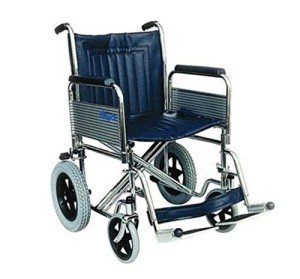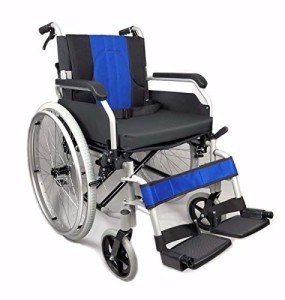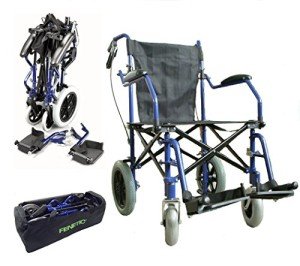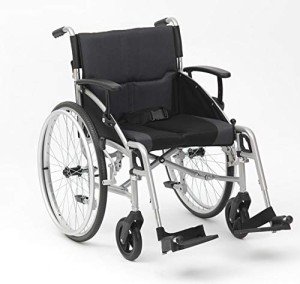

For many individuals with mobility challenges, the world is often limited by the quality of the pavement. Standard manual wheelchairs are designed for flat, smooth surfaces—hospital corridors, shopping malls, and paved sidewalks. However, for those who wish to venture off the beaten path, a standard chair often falls short. This is where the Heavy Duty Folding All-Terrain Wheelchair emerges as a transformative tool.
This specialized piece of equipment bridges the gap between rugged outdoor capability and the practical necessity of portable storage. By combining reinforced frames with specialized tires and folding mechanisms, these wheelchairs offer users the freedom to navigate gravel, grass, sand, and uneven trails without sacrificing the ability to transport the chair in a standard vehicle.
What Defines a Heavy Duty Folding All-Terrain Wheelchair?
To understand why these chairs are highly sought after, one must look at the three core pillars of their design:
- Heavy Duty (HD) Construction: Unlike standard chairs with weight capacities of 250 lbs, heavy-duty models are engineered to support 350 lbs to 500 lbs (and sometimes more). The frames are reinforced at critical stress points to ensure longevity and safety under increased load.
- Folding Mechanism: Typically, rugged equipment is bulky and rigid. A folding all-terrain chair utilizes high-strength cross-braces that allow the chair to collapse vertically or horizontally, making it manageable for travel in car trunks or SUVs.
- All-Terrain Capability: This is defined by the wheel and tire configuration. Large, wide rear tires with deep treads provide the necessary traction for soft surfaces, while oversized front casters prevent the chair from digging into mud or sand.
Comparison: Standard Wheelchairs vs. All-Terrain Heavy Duty Models
| Feature | Standard Manual Wheelchair | Heavy Duty Folding All-Terrain Wheelchair |
|---|---|---|
| Weight Capacity | 250 lbs (Average) | 350 lbs – 600 lbs |
| Tire Type | Narrow, solid rubber or thin pneumatic | Wide, knobby, deep-tread pneumatic |
| Frame Material | Lightweight aluminum or steel | Reinforced steel or aircraft-grade aluminum |
| Front Casters | 5" to 8" (Thin) | 8" to 12" (Wide/Inflatable) |
| Primary Terrain | Indoors, pavement | Grass, gravel, snow, sand, trails |
| Shock Absorption | Minimal to none | High (via tires and/or suspension systems) |
Key Features and Components
1. Reinforced Frame Technology
The backbone of any heavy-duty chair is its frame. Manufacturers typically utilize powder-coated steel or reinforced aluminum alloys. Steel offers maximum durability and a higher weight threshold, while aluminum provides a lighter alternative for those who need to lift the chair into a vehicle frequently. Dual or triple cross-braces are standard in folding models to prevent the frame from flexing under pressure on uneven ground.
2. Specialized Wheel and Tire Systems
The most visible difference in an all-terrain chair is the wheel set.
- Rear Wheels: Usually 24 inches in diameter but significantly wider than standard wheels. The tires are "knobby," similar to mountain bike tires, providing a larger surface area to distribute weight and increase grip.
- Front Casters: Standard 5-inch wheels tend to "sink" or "catch" on rocks. All-terrain models feature 8-inch to 10-inch casters, often 2-3 inches wide, which allows them to "float" over soft terrain like grass or loose dirt.
3. Ergonomics and Comfort
Outdoor navigation can be jarring. To mitigate this, these wheelchairs often include:
- Extra-Wide Seating: Ranging from 20 to 30 inches to accommodate different body types comfortably.
- Padded Upholstery: Double-reinforced nylon or breathable mesh that resists moisture and provides cushioning during bumps.
- Adjustable Footrests: Swing-away or elevating leg rests that are built to withstand vibrations and impacts from outdoor debris.
Technical Specifications (Typical Model)
| Component | Specification Detail |
|---|---|
| Frame Weight | 45 lbs – 65 lbs |
| Seat Width Options | 20", 22", 24", 26" |
| Max Weight Capacity | 450 lbs |
| Rear Wheel Type | 24" x 2" Pneumatic Knobby Tires |
| Front Caster Type | 8" x 2" Heavy Duty Solid or Air-filled |
| Braking System | Dual Hand-Extended Pushing Brakes |
| Folding Width | 12" – 15" (when collapsed) |
The Benefits of Choosing an All-Terrain Folding Model
Investing in a heavy-duty all-terrain chair offers more than just mobility; it offers a higher quality of life.
Increased Independence
Users are no longer restricted to paved paths. This allows for participation in family outings to parks, beaches, or rural festivals where standard chairs would become stuck or damaged.
Durability and Cost-Effectiveness
While the initial investment is higher than a standard wheelchair, the "heavy duty" aspect ensures the chair lasts longer. These chairs are built to withstand the rigors of exterior elements—moisture, dirt, and vibrations—which would quickly wear out the bearings and frames of a basic indoor model.
Portability Without Sacrifice
In the past, "all-terrain" meant a large, rigid frame that required a ramped van or trailer. Modern folding designs permit the user to take their rugged performance on the road. Most models can fit into the trunk of a mid-sized sedan once the quick-release wheels are removed and the frame is folded.
Safety on Unpredictable Surfaces
The wider wheelbase and anti-tip bars often found on these models provide a lower center of gravity. This reduces the risk of the chair tipping over when navigating slight inclines or transitions between different types of ground.
Maintenance for Long-Term Performance
To keep a heavy-duty all-terrain chair in peak condition, regular maintenance is required, especially after outdoor use.
- Cleaning: Wipe down the frame after use in mud, sand, or salt (near oceans). Salt can be particularly corrosive to metal frames and bearings.
- Tire Pressure: For models with pneumatic tires, maintaining the correct PSI is crucial. Lower pressure might offer more traction in sand, but higher pressure is better for gravel and paved surfaces.
- Joint Lubrication: Periodically apply a silicone-based lubricant to the folding cross-braces and wheel axles to ensure the folding mechanism remains smooth.
- Bolt Inspection: Because of the vibrations caused by uneven terrain, bolts can loosen over time. A monthly check-up to tighten hardware is recommended.
Frequently Asked Questions (FAQ)
1. Are all-terrain wheelchairs harder to push than standard ones?
Because the tires are wider and the frame is heavier, there is slightly more rolling resistance on smooth surfaces. However, on soft surfaces like grass, they are significantly easier to push than standard chairs, which tend to sink and become immobilized.
2. Can these wheelchairs be used indoors?
Yes. While they are wider and may have a slightly larger turning radius, they are perfectly functional for indoor use. Some users prefer to have a set of "indoor wheels" (thinner) and "outdoor wheels" (knobby) if their chair features quick-release axles.
3. Does insurance cover heavy-duty all-terrain wheelchairs?
Medicare and private insurance usually cover "Standard" or "Heavy Duty" wheelchairs if a medical necessity is proven. However, the "All-Terrain" feature is often considered a luxury or a lifestyle choice. Users should check with their provider, as they may cover the base cost of a heavy-duty folding chair, with the user paying the difference for the all-terrain upgrades.
4. How much do these wheelchairs typically weigh?
Most heavy-duty folding models weigh between 45 and 65 pounds. While this is heavier than a "lightweight" travel chair, it is necessary to support high weight capacities and endure off-road stress.
5. Can I use this chair on the beach?
These chairs perform well on packed sand. On very soft, powdery sand, even all-terrain tires can struggle. For consistent deep-sand use, specialized "Beach Wheelchairs" with balloon-style tires are recommended, although those are rarely foldable.
The Heavy Duty Folding All-Terrain Wheelchair represents the pinnacle of modern mobility engineering. It acknowledges that users need a chair that is strong enough to support them, rugged enough to handle nature, and practical enough to fit into a modern lifestyle. By investing in a chair with reinforced construction and specialized wheel systems, individuals can reclaim their ability to explore the outdoors with confidence and safety. Whether it is a gravel path at a local park or a grassy field at a family reunion, these wheelchairs ensure that the journey doesn't have to stop where the sidewalk ends.