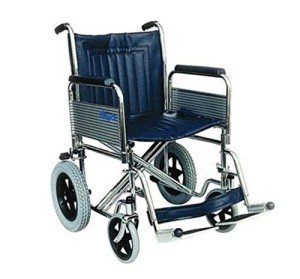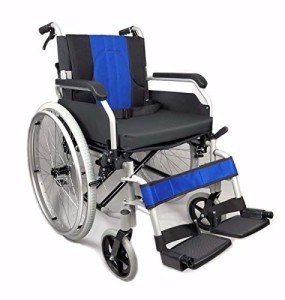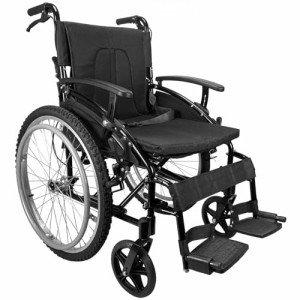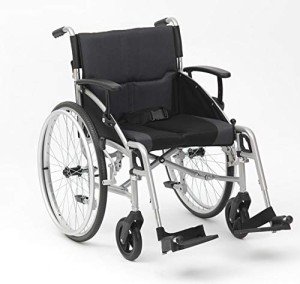


For individuals with limited mobility and their caregivers, the challenge of navigating the world often boils down to a single factor: equipment. While standard wheelchairs provide essential support, they can often be cumbersome, heavy, and difficult to transport. This has led to the rise in popularity of the Lightweight Folding Transit Travel Wheelchair with Handbrakes.
Designed specifically for portability and ease of use, these chairs represent a crucial intersection of safety, convenience, and modern engineering. This guide explores the features, benefits, and technical considerations of these mobility aids, providing a comprehensive overview for those looking to enhance their travel experiences.
Understanding the Transit Wheelchair
A transit wheelchair, often referred to as a "companion" or "transport" chair, is distinct from a self-propelled wheelchair. The most significant difference lies in the wheel size. Transit chairs feature smaller rear wheels, meaning the occupant cannot propel themselves. Instead, they rely on an attendant or caregiver to push the chair.
Because these chairs do not require large, heavy drive wheels, they are inherently lighter and more compact. When combined with a folding frame and lightweight materials like aluminum, they become the ideal solution for trips to the doctor, shopping malls, or long-distance travel.
Key Features of Lightweight Folding Transit Chairs
When evaluating a travel wheelchair, several features stand out as essential for both the user's comfort and the caregiver’s ease of operation.
1. Advanced Frame Materials
Modern transit chairs almost exclusively use high-grade aluminum alloys. Unlike traditional steel, aluminum offers a high strength-to-weight ratio. This allows the chair to remain sturdy enough to support significant weight while remaining light enough for a caregiver to lift into a car trunk with one hand.
2. The Folding Mechanism
Portability is the primary goal of a travel chair. Most models feature a cross-brace folding system, which allows the seat to collapse inward. Furthermore, many transit chairs include a "half-folding backrest." This feature allows the top half of the backrest to fold down, significantly reducing the chair's vertical footprint, making it compatible with even the smallest vehicle boots.
3. Integrated Handbrakes (Attendant Brakes)
One of the most critical safety upgrades in modern transit chairs is the inclusion of handbrakes located on the push handles. While standard wheel locks (parking brakes) are found on all chairs, handle-mounted handbrakes allow the caregiver to control the speed of the chair during descents or on uneven terrain, preventing the chair from "runaway" momentum.
4. Compact Solid Tires
Travel chairs typically use solid, puncture-proof PU (polyurethane) tires. These eliminate the risk of a flat tire while traveling and require zero maintenance. The smaller wheel diameter contributes to a tighter turning radius, which is essential when navigating narrow aisles in airplanes or crowded cafes.
Technical Specifications: A Closer Look
The following table outlines the typical specifications one can expect from a high-quality lightweight folding transit wheelchair.
Table 1: Standard Specifications for Lightweight Transit Wheelchairs
| Feature | Specification Details |
|---|---|
| Total Weight | 9 kg – 12 kg (approx. 20 – 26 lbs) |
| Material | Aircraft-grade Aluminum Alloy |
| Weight Capacity | 100 kg – 125 kg (220 – 275 lbs) |
| Seat Width Options | 16, 18, or 20 inches |
| Folded Dimensions | ~ 75cm x 25cm x 70cm |
| Braking System | Dual Handbrakes + Rear Wheel Locks |
| Footrests | Swing-away and Detachable |
| Upholstery | Breathable Nylon or Padded Mesh |
The Benefits of Handbrakes for Caregivers
The inclusion of handbrakes on the handles is not merely a luxury; it is a vital ergonomic and safety feature. Pushing a manual wheelchair can be physically demanding, particularly when navigating slopes.
- Controlled Descent: When moving down a ramp or a sloped sidewalk, the weight of the occupant naturally pushes the chair forward. Without handbrakes, the caregiver must use their own body weight and grip to hold the chair back. Handbrakes allow for a controlled, gradual reduction in speed.
- Reduced Strain: By using hand-operated levers, caregivers reduce the strain on their wrists and lower back, as they no longer have to struggle against gravity with brute force.
- Immediate Stopping Power: In busy environments, the ability to stop instantly is paramount. Handle-mounted brakes provide faster reaction times compared to reaching down for manual wheel locks.
Comparing Standard Transit vs. Lightweight Travel Models
Not all transit chairs are created equal. It is important to distinguish between a standard hospital-style transit chair and a specialized travel model.
Table 2: Standard Transit vs. Lightweight Travel Comparison
| Feature | Standard Transit Chair | Lightweight Travel Chair |
|---|---|---|
| Weight | 15 kg - 18 kg | 9 kg - 11 kg |
| Backrest | Fixed height | Half-folding for storage |
| Transportability | Requires large SUV/Trunk | Fits in compact cars/travel bags |
| Handbrakes | Often missing | Almost always included |
| Primary Use | Indoor/Clinical use | Travel, Outdoor, Commuting |
Ideal User Profiles
Who benefits most from a lightweight folding transit wheelchair with handbrakes? While versatile, these chairs are specifically designed for:
- The Traveling Senior: Individuals who can walk short distances but require assistance for long airports, museums, or sightseeing tours.
- The Urban Caregiver: Those living in cities who need to navigate public transportation, elevators, and narrow doorways.
- Recovering Patients: Individuals in post-operative recovery who need a temporary, easy-to-store mobility solution for medical appointments.
- Families on the Go: Families who refuse to let mobility limitations stop them from taking road trips or vacations.
Essential Safety and Maintenance Tips
To ensure the longevity of a lightweight travel chair and the safety of its occupants, regular maintenance is required.
- Check Tire Treads: Even though solid tires don't go flat, they can wear down over time, reducing grip on smooth surfaces.
- Brake Calibration: Periodically check that the handbrakes apply equal pressure to both rear wheels. If one side is tighter than the other, the chair may veer when braking.
- Cleaning the Frame: Wipe down the aluminum frame with a damp cloth to prevent the buildup of salt or grit, which can interfere with the folding joints.
- Upholstery Inspection: Check for tears in the seat or backrest. In lightweight models, the fabric often provides a portion of the structural tension, so integrity is key.
FAQ: Frequently Asked Questions
Can these wheelchairs be taken on an airplane?
Yes. Most lightweight folding transit chairs are considered "gate-check" items. This means the user can stay in the chair until they reach the aircraft door. The airline staff will then fold the chair and store it in the hold, returning it to the cabin door upon arrival.
Is a lightweight chair less durable than a heavy one?
No. Because these chairs use aluminum instead of heavy steel, they maintain high durability without the weight. However, it is important to strictly adhere to the manufacturer's weight capacity limits.
Are the footrests adjustable?
Most models feature height-adjustable footrests to ensure the user’s knees are at a comfortable 90-degree angle. They also usually "swing away" to allow the user to stand up safely without tripping.
Can the user operate the handbrakes?
On transit models, the handbrakes are specifically designed for the attendant. The occupant typically has access to manual parking brakes located on the side of the wheels to keep the chair stationary while sitting.
Do I need a specific tool to fold the chair?
No. Quality travel wheelchairs are designed for tool-free folding. Usually, it involves pulling up on the seat upholstery and clicking a lever on the backrest.
The Lightweight Folding Transit Travel Wheelchair with Handbrakes is more than just a piece of medical equipment; it is a tool for liberation. By prioritizing lightweight materials and compact folding mechanisms, manufacturers have made it possible for individuals with mobility challenges to explore the world with fewer barriers.
The addition of attendant handbrakes ensures that safety is never sacrificed for portability, giving caregivers the confidence to navigate diverse environments. Whether it’s a trip to the local grocery store or an international vacation, the right travel wheelchair makes the journey as comfortable as the destination.