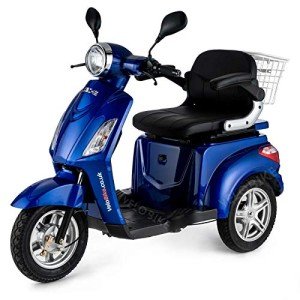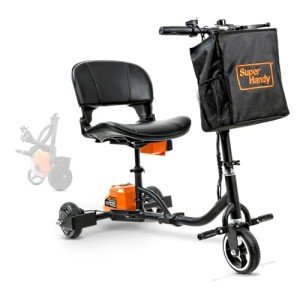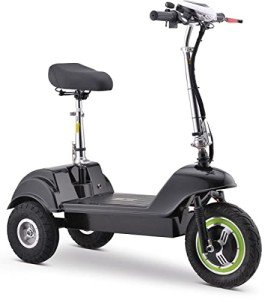

For many adults facing mobility challenges, the desire to maintain an active, independent lifestyle remains a top priority. Whether it is navigating a crowded shopping mall, traveling through an airport, or enjoying a stroll through a local park, the right equipment can make all the difference. In recent years, the lightweight foldable 3-wheel mobility scooter has emerged as a revolutionary solution, blending cutting-edge engineering with user-centric design.
This guide explores the features, benefits, and technical specifications of these devices, providing a comprehensive overview for those looking to regain their mobility without sacrificing convenience.
The Evolution of Mobility: Why Three Wheels?
Mobility scooters generally fall into two categories: three-wheel and four-wheel configurations. While four-wheel models are often praised for their outdoor stability, the three-wheel design excels in environments where space is at a premium.
Detailed below are the primary advantages of the 3-wheel configuration:
- Superior Maneuverability: With a single wheel in the front, these scooters possess a significantly tighter turning radius. This allows users to navigate sharp corners and narrow hallways with ease.
- Increased Legroom: The absence of two front wheel wells provides more space for the rider’s legs, making it a more comfortable option for taller individuals.
- Reduced Overall Weight: Fewer structural components often translate to a lighter total weight, which is critical for a device intended to be folded and transported.
Key Features of Lightweight Foldable Scooters
Modern engineering has allowed manufacturers to create scooters that weigh as little as 45 to 60 pounds, including the battery. To achieve this, several key features have become standard in high-quality models.
1. Advanced Frame Materials
Most lightweight scooters utilize aircraft-grade aluminum or magnesium alloys. These materials offer a high strength-to-weight ratio, ensuring the frame can support an adult’s weight (typically up to 250–300 lbs) while remaining light enough for a caregiver or the user to lift into a vehicle trunk.
2. Lithium-Ion Battery Technology
Unlike the heavy lead-acid batteries of the past, modern foldable scooters use lithium-ion batteries. These are not only lighter but also offer faster charging times and a longer lifespan. Most are designed to be "travel-safe," meeting FAA and TSA requirements for airline travel.
3. One-Touch Folding Mechanisms
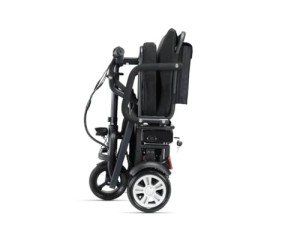
The "foldable" aspect of these scooters is their most significant selling point. Users can choose between two main types of folding mechanisms:
- Manual Folding: A simple lever or pin system allows the scooter to collapse in seconds.
- Automatic Folding: These models use a remote control or a button on the dashboard to fold and unfold the unit electronically, ideal for individuals with limited dexterity or back strength.
Comparative Analysis: Mobility Scooter Types
To better understand where the lightweight 3-wheel foldable scooter fits into the market, consider the following comparison table:
| Feature | 3-Wheel Foldable Scooter | 4-Wheel Compact Scooter | Heavy-Duty Power Scooter |
|---|---|---|---|
| Primary Use | Indoor/Paved Surfaces | Indoor/Light Outdoor | Rugged Outdoor/All-terrain |
| Turning Radius | Excellent (Tight) | Good | Poor (Wide) |
| Weight | 45 - 65 lbs | 75 - 120 lbs | 150+ lbs |
| Portability | High (Fits in trunks) | Moderate (Requires disassembly) | Low (Requires lift/ramp) |
| Max Speed | 4 - 5 mph | 4 - 5 mph | 8 - 15 mph |
| Ground Clearance | Low (approx. 2") | Low to Mid | High (4" +) |
The Benefits of Portability for Active Adults
The primary barrier to using a traditional mobility scooter is often the logistics of transportation. A lightweight foldable 3-wheel mobility scooter removes these barriers, fostering a sense of spontaneity.
Travel Without Limits
For those who enjoy cruising or flying, a foldable scooter is indispensable. Their compact footprint allows them to fit into cruise ship cabins and navigate narrow staterooms. Furthermore, because they fold into a shape similar to a suitcase, they can be checked at the airport gate, allowing the user to remain mobile until the moment they board the aircraft.
Simplified Storage
In urban environments or smaller homes, storage space is a luxury. A foldable scooter can be tucked away in a closet, placed under a bed, or kept in the corner of a hallway, ensuring that the living space remains uncluttered when the device is not in use.
Technical Specifications to Consider
When selecting a scooter, it is important to look beyond aesthetics. Prospective users should evaluate the following technical aspects to ensure the device meets their specific needs:
- Weight Capacity: Ensure the scooter can safely support the user's weight plus any additional items (like groceries or bags) commonly carried.
- Drive Range: Depending on the battery capacity, foldable scooters typically offer a range of 10 to 15 miles per charge.
- Tire Type: Most lightweight models use solid, flat-free tires. While these require less maintenance, they may offer a firmer ride than pneumatic (air-filled) tires.
- Braking Systems: Look for "Intelligent Braking" or electromagnetic brakes, which automatically engage when the user releases the throttle, providing safety on inclines.
Maintenance and Care Tips
While lightweight scooters are built for durability, regular maintenance ensures longevity and safety.
- Battery Care: Avoid letting the battery drain completely. Charging the battery after every significant use helps maintain its health.
- Cleaning: Wipe down the frame with a damp cloth to remove dust and debris, especially from moving parts in the folding mechanism.
- Hinge Inspection: Periodically check the folding joints and pins to ensure they are secure and lubricated.
- Tire Check: Inspect tires for wear or flat spots that might affect the smoothness of the ride.
Frequently Asked Questions (FAQ)
Q1: Can a 3-wheel mobility scooter be used on grass?
Lightweight 3-wheel scooters are primarily designed for flat, paved surfaces like sidewalks, malls, and hardwood floors. While they can handle very short, well-manicured grass, they lack the stability and motor power for rugged, uneven terrain.
Q2: Is it difficult to fold these scooters?
Most modern models are designed for simplicity. Manual versions usually require shifting a single lever, while automatic versions require no physical effort at all. It is generally a process that takes less than 20 seconds.
Q3: Are these scooters airline-approved?
Most lightweight foldable scooters use lithium-ion batteries that are within the Watt-hour (Wh) limits set by the FAA. However, it is always recommended to check with the specific airline 48 hours before travel to confirm their requirements.
Q4: How fast do they go?
For safety and stability, most compact foldable scooters have a top speed of around 4 to 5 miles per hour. This speed is roughly equivalent to a brisk walking pace, making it ideal for moving with a group of pedestrians.
Q5: Will a 3-wheel scooter tip over easily?
Because they have one wheel in the front, they have a slightly higher center of gravity during sharp turns compared to 4-wheel models. However, when used on flat surfaces and at recommended speeds, they are remarkably stable and safe.
The lightweight foldable 3-wheel mobility scooter represents a significant leap forward in assistive technology. By prioritizing portability without compromising on performance, these devices empower adults to maintain their social connections, professional lives, and travel dreams.
When choosing a model, individuals should consider their primary environment, their physical capabilities regarding folding, and their travel requirements. Ultimately, the right scooter is more than just a piece of machinery; it is a gateway to a more accessible and vibrant world.