

Understanding the 42V 2A Fast Charger for Electric Scooters
As electric scooters gain popularity for their convenience and eco-friendliness, the importance of efficient charging solutions is magnified. One of the most commonly discussed charging options in this arena is the 42V 2A fast charger. This guide delves into the specifics of this charging technology, how it works, its benefits, and answers some frequently asked questions.
What is a 42V 2A Fast Charger?
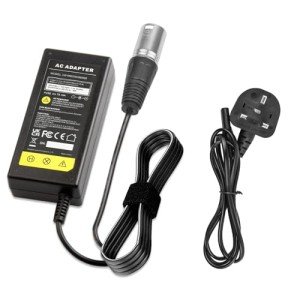
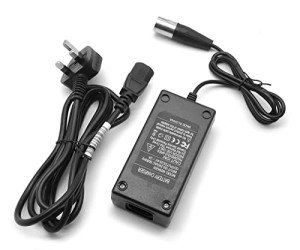
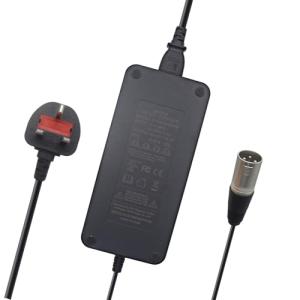
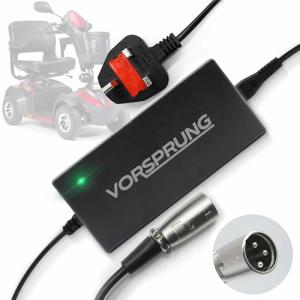
A 42V 2A fast charger is a device that charges electric scooter batteries at a voltage of 42 volts and a current of 2 amperes. Electric scooters typically use lithium-ion or lead-acid batteries, both of which require specific charging voltages and currents to ensure efficiency and safety.
The specifications of a 42V 2A charger imply that it is designed to charge batteries quickly while maintaining the health of the battery. Here’s a breakdown of what those numbers mean:
| Specification | Description |
|---|---|
| Voltage | 42 Volts |
| Current | 2 Amperes |
| Battery Type | Compatible with lithium-ion and lead-acid batteries |
How It Works
When you connect a 42V 2A charger to an electric scooter, the charger transforms the AC voltage from the outlet into a DC voltage that the battery can use. The 2A rating indicates the maximum current that the charger can deliver. Therefore, for a typical scooter battery of 42V, this charger offers a balanced approach for quick charging without compromising the battery's lifespan.
Benefits of Using a 42V 2A Fast Charger
Using a 42V 2A charger comes with numerous advantages for electric scooter users:
- Quick Charging Times: The 2A current allows for faster charging compared to lower-amp chargers. Most scooters can fully charge in under 6 hours.
- Improved Battery Performance: Proper voltage and current levels help maintain the health of the batteries, ensuring longer life spans.
- Universal Compatibility: Many electric scooters operate on 42V systems, making this type of charger widely compatible.
- Easy to Use: Plugging in a charger is straightforward, and many models come with LED indicators that show the charging status.
- Lightweight and Portable: Most 42V 2A fast chargers are compact, making them easy to carry around.
Potential Drawbacks
While the 42V 2A fast charger offers numerous benefits, it is essential to consider these points:
- Overcharging Risk: If used improperly, there’s a risk of damaging the battery. Users should always monitor charging times.
- Limited for Larger Batteries: For scooters with more substantial battery capacities, a 2A charger might be inadequate for a full charge in a reasonable time.
How to Choose the Right Charger for Your Electric Scooter
When looking for the right charger, consider the following aspects:
- Voltage Compatibility: Ensure the charger matches the voltage of your scooter's battery.
- Current Rating: A higher current rating reduces charging time but could risk battery health if too high. For a 42V system, 2A is a good balance.
- Charger Type: Opt for smart chargers that automatically stop charging once the battery is full to prevent overcharging.
- Brand and Warranty: Choose reputable brands with warranties to ensure reliability and safety.
Table of Common Electric Scooter Battery Specifications
| Brand | Battery Voltage | Battery Capacity | Recommended Charger |
|---|---|---|---|
| Xiaomi M365 | 36V | 280Wh | 42V 2A fast charger |
| Segway Ninebot | 36V | 270Wh | 42V 2A fast charger |
| Apollo City | 48V | 468Wh | 54.6V 2A fast charger |
| Razor E300 | 24V | 100Wh | 29.4V 1A standard charger |
How to Use a 42V 2A Fast Charger Safely
To maximize the benefits of a 42V 2A fast charger, users should adhere to the following guidelines:
- Read the manual: Always refer to the manufacturer’s guidelines for specific charging instructions.
- Avoid overnight charging: Charging overnight can lead to overcharging unless the charger has an automatic cutoff feature.
- Store properly: When not in use, keep the charger in a dry and safe place.
- Monitor temperature: If the charger or battery gets excessively hot, disconnect immediately and seek professional help.
FAQs
Q1: Can I use a different voltage charger for my scooter?
A1: It is highly recommended to use a charger that matches your scooter's battery voltage. Using a different voltage can damage the battery or pose safety risks.
Q2: Will a 2A charger work with a large battery?
A2: Yes, but charging a larger battery with a 2A charger may take significantly longer than using a charger with a higher current rating.
Q3: What if my charger doesn't have an indicator light?
A3: If your charger lacks an indicator light, periodically check the battery level while charging to avoid overcharging.
Q4: Are 42V 2A chargers universal?
A4: While many scooters use a 42V system, not all chargers will be compatible with all scooters. Always verify the specifications before purchasing.
Q5: How often should I charge my scooter?
A5: It’s best to charge your scooter after each use or whenever the battery drops to about 20% to ensure optimum performance and longevity.
The 42V 2A fast charger serves as a reliable choice for charging electric scooter batteries efficiently and safely. Understanding the specifications, benefits, and proper use of this charger can enhance the electric scooter riding experience while promoting battery health. Choosing the right charger and practicing safe charging habits will ensure the longevity of the battery and optimal scooter performance.