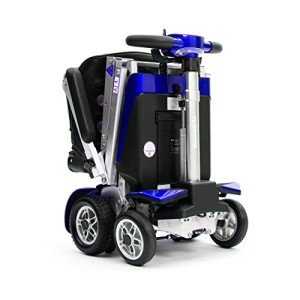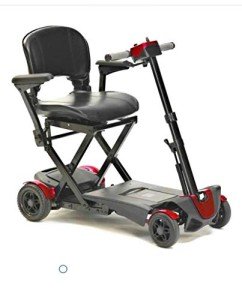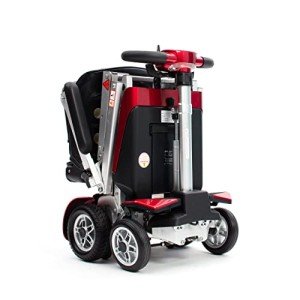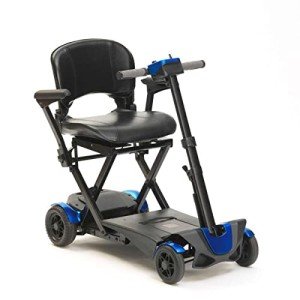


For individuals with limited mobility, the desire to explore the world, visit family, or simply navigate a shopping mall shouldn’t be hindered by the physical limitations of traditional medical equipment. In recent years, the mobility industry has seen a revolutionary shift with the introduction of the Automatic Folding Travel Mobility Scooter with Remote.
This technological marvel combines the necessity of a mobility aid with the convenience of modern automation. No longer do users need to struggle with heavy frames or complex disassembly processes. With the touch of a button, these scooters transform from a full-sized transport vehicle into a compact, suitcase-sized unit.
This guide explores the features, benefits, and practicalities of owning an automatic folding travel scooter, helping you understand why they have become the gold standard for independent travel.
What is an Automatic Folding Mobility Scooter?
An automatic folding mobility scooter is a lightweight vehicle designed specifically for portability. Unlike manual folding scooters—which require the user to bend over and manipulate levers and frames—the automatic version utilizes an internal motor and a high-tech actuator to fold and unfold itself.
The process is typically triggered by a handheld remote control (similar to a car key fob) or a button located on the scooter's dashboard. In approximately 15 to 20 seconds, the scooter collapses into a compact shape that can be easily wheeled like a piece of luggage or lifted into a car trunk.
Key Features at a Glance
| Feature | Description |
|---|---|
| Folding Mechanism | Electric actuator triggered by remote or button. |
| Weight | Typically between 45 lbs and 60 lbs (including battery). |
| Battery Type | Lightweight Lithium-ion (usually airline approved). |
| Range | Average of 10 to 15 miles per charge. |
| Weight Capacity | Generally supports between 250 lbs and 300 lbs. |
The Advantages of the Remote Control Feature
The inclusion of a remote control is more than just a "luxury" feature; it is a vital accessibility tool. Using a remote offers several distinct advantages:
- Reduced Physical Strain: Users with arthritis or limited upper-body strength often find manual folding mechanisms difficult to operate. The remote eliminates all physical exertion.
- Convenience at the Trunk: When arriving at a vehicle, the user can stand comfortably and watch the scooter fold itself before lifting it (or having it lifted) into the trunk.
- Gate-Side Management: When traveling by air, users can ride the scooter to the airplane door, step off, and fold it instantly using the remote while the flight crew prepares to stow it.
- No Bending Required: Traditional scooters often require the user to crouch or kneel to lock components in place. The automatic system keeps the user upright and safe.
Travel Considerations: Taking Your Scooter on the Road
The "Travel" in its name isn't just marketing. These scooters are engineered with specific dimensions and power requirements to meet international travel standards.
1. Air Travel and FAA Compliance
Most automatic folding scooters use lithium-ion batteries. While lithium batteries are strictly regulated, most manufacturers produce batteries that fall under the 300Wh (Watt-hour) limit set by the FAA and most international aviation authorities.
- Pro Tip: Always carry the battery’s safety certificate (provided by the manufacturer) when going through airport security.
2. Cruise Ships
Cruise ships are notoriously difficult to navigate with full-sized scooters due to narrow hallways and small cabin doors. An automatic folding scooter is ideal for cruises because it can be folded down inside the cabin, leaving plenty of floor space for the occupants.
3. Public Transport and Taxis
Because they fold into a compact cube, these scooters fit easily into the trunks of standard taxis or rideshare vehicles (like Uber or Lyft). They can also be tucked away in the luggage area of buses and trains.
Comparison of Scooter Types
When shopping for an automatic folding scooter, it is helpful to see how they compare to other categories of mobility devices.
| Specification | Automatic Folding Scooter | Manual Folding Scooter | Standard 4-Wheel Scooter |
|---|---|---|---|
| Folding Method | Remote/Button | Manual Levers | Disassembly Required |
| Portability | High | High | Low |
| Weight | Moderate (45-60 lbs) | Lightest (40-55 lbs) | Heavy (100+ lbs) |
| Off-Road Ability | Limited (Flat surfaces) | Limited (Flat surfaces) | Moderate to High |
| Ideal For | Travel, Shopping, Cruises | Travel on a budget | Outdoor use, long grass |
Maintenance and Care
To ensure your investment lasts for years, a routine maintenance schedule is essential. Because these scooters contain complex folding motors and lithium batteries, they require slightly different care than standard lead-acid scooters.
Maintenance Checklist:
- Battery Management: Never let the lithium battery drain to 0%. Charge it after every use, and if the scooter is stored for the winter, charge it at least once a month.
- Keep it Dry: Automatic folding scooters contain sensitive electronics and sensors. Avoid driving through deep puddles or leaving the scooter out in the rain.
- Inspect the Actuator: Occasionally check the folding joints for debris or hair that could get caught in the mechanism.
- Tire Check: Most travel scooters use solid, puncture-proof tires. Check them for wear and tear or embedded pebbles that might scratch indoor flooring.
Is an Automatic Folding Scooter Right for You?
While these scooters are incredibly versatile, they are designed for specific "use cases." You should consider an automatic folding model if:
- You travel frequently by plane, ship, or train.
- You have limited hand dexterity or back strength.
- You have a small car with limited trunk space.
- You primarily use your scooter on paved paths, in malls, or at airports.
However, if you require a scooter for rugged outdoor terrain, steep hills, or high-speed travel, a heavy-duty non-folding model might be more appropriate.
Frequently Asked Questions (FAQ)
1. What happens if the battery dies while it is folded?
Most automatic folding scooters come with a manual override or a secondary charging port that allows you to provide enough power to unfold it even if the main battery is low. Some models also have a "freewheel" lever that allows you to push the scooter manually.
2. Can I take the battery on a plane?
Yes, as long as the battery is under the 300Wh limit. Most travel scooters are designed with a 25.2V or 24V battery that equates to roughly 280Wh, making them legal for air travel. You are usually required to remove the battery and carry it into the cabin with you.
3. How fast do these scooters go?
The average speed for a travel scooter is between 3.5 and 4 miles per hour. This is equivalent to a brisk walking pace, ensuring you can keep up with companions without being dangerously fast in crowded areas.
4. Are they comfortable for long-day use?
While they are comfortable for several hours of shopping or sightseeing, they typically have smaller seats and less suspension than heavy-duty scooters. For maximum comfort, look for models with padded armrests and adjustable tillers.
5. Does the remote have a long range?
Usually, the remote works within a 10-to-20-foot radius. It is designed to be used while you are standing next to the vehicle, not from across a parking lot.
The Automatic Folding Travel Mobility Scooter with Remote represents a significant leap forward in assistive technology. By removing the physical barriers to transporting a mobility device, it opens up a world of possibilities for those who refuse to let limited mobility slow them down.
Whether you are navigating the terminal at Heathrow, exploring the deck of a Mediterranean cruise, or simply meeting friends for lunch at the local mall, the convenience of a "one-button" fold ensures that your focus remains on the journey, not the equipment. When choosing a model, prioritize battery compliance, weight, and the reputability of the manufacturer to ensure your travels are as smooth as possible.